


































How does Sienna’s tree canopy affect roof maintenance?
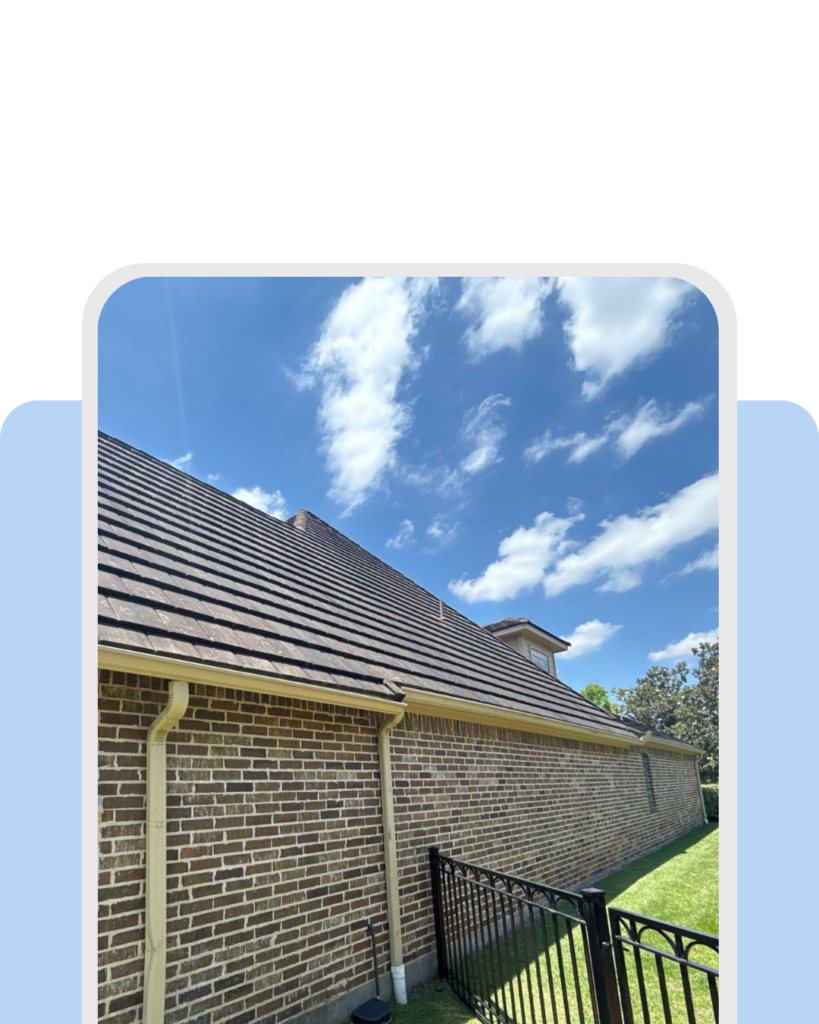
Many Sienna sections back onto mature trees and greenbelts, so pine needles and leaf debris collect in valleys and gutters faster than on open lots. Clearing debris regularly and scheduling a roof inspection each season helps prevent trapped moisture under shingles.
Why do gutters back up so often on Sienna homes?
Sienna’s flat, low-lying terrain near the Brazos River gives runoff nowhere fast to go, so undersized or leaf-clogged gutters overflow at the eave. A soffit and fascia repair paired with routine gutter cleaning protects the roof edge from rot.
How does humidity near the Brazos River impact roofing materials?
Sienna’s proximity to the river corridor keeps ambient humidity higher than inland Fort Bend County, which accelerates algae growth on shaded shingle slopes. Algae-resistant shingles and periodic soft washing reduce staining and premature granule loss.
Should Sienna homeowners worry about hail damage after storms?
Fort Bend County sits within a recognized Texas hail corridor, and Sienna’s exposed rooftops can take bruising even from moderate cells. A hail damage roof repair assessment after any significant storm catches damage before it leads to leaks; see NOAA storm data for regional hail frequency.
What roof vents work best for Sienna’s attic heat?
Sienna’s long cooling season means attics need balanced intake and exhaust to avoid trapping heat against the roof deck. Blocked soffit vents are a common culprit in newer Sienna homes; roof ventilation upgrades restore airflow, and ENERGY STAR outlines recommended attic ventilation ratios.
Do HOA rules in Sienna limit roofing material choices?
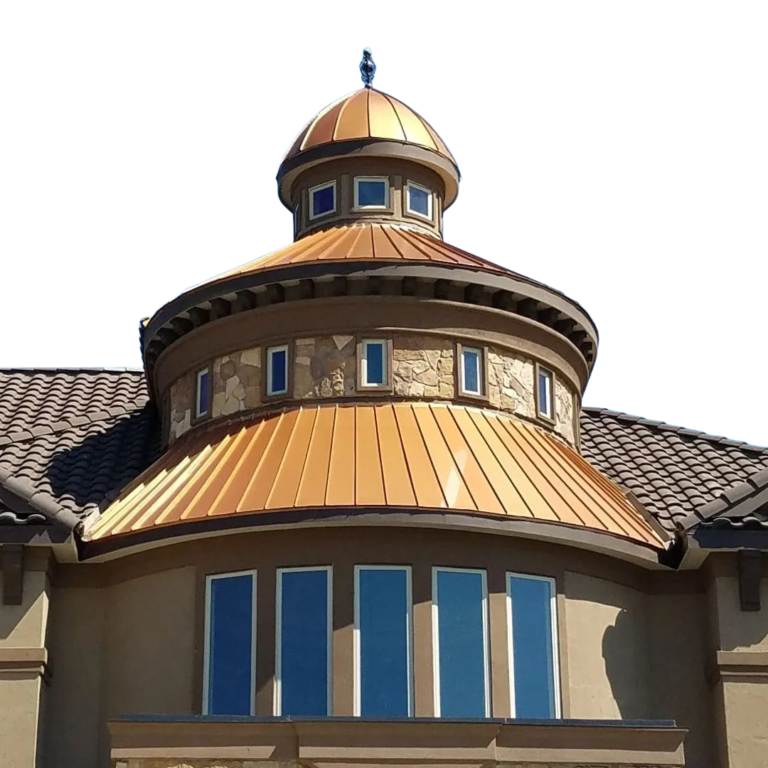
Many Sienna sections carry deed-restricted design guidelines that specify approved shingle colors or tile styles. Homeowners should confirm material approval with their section’s HOA before scheduling a roof replacement.
How can Sienna homeowners tell if storm damage requires a full replacement versus a repair?
The decision comes down to the extent of granule loss, deck condition beneath the shingles, and whether a matching shingle color is still available. Isolated damage on one slope is usually a roof repair, while widespread wind or hail exposure across the roof typically calls for full replacement.