




























Why do so many downtown lofts have flat or low-slope roofs?
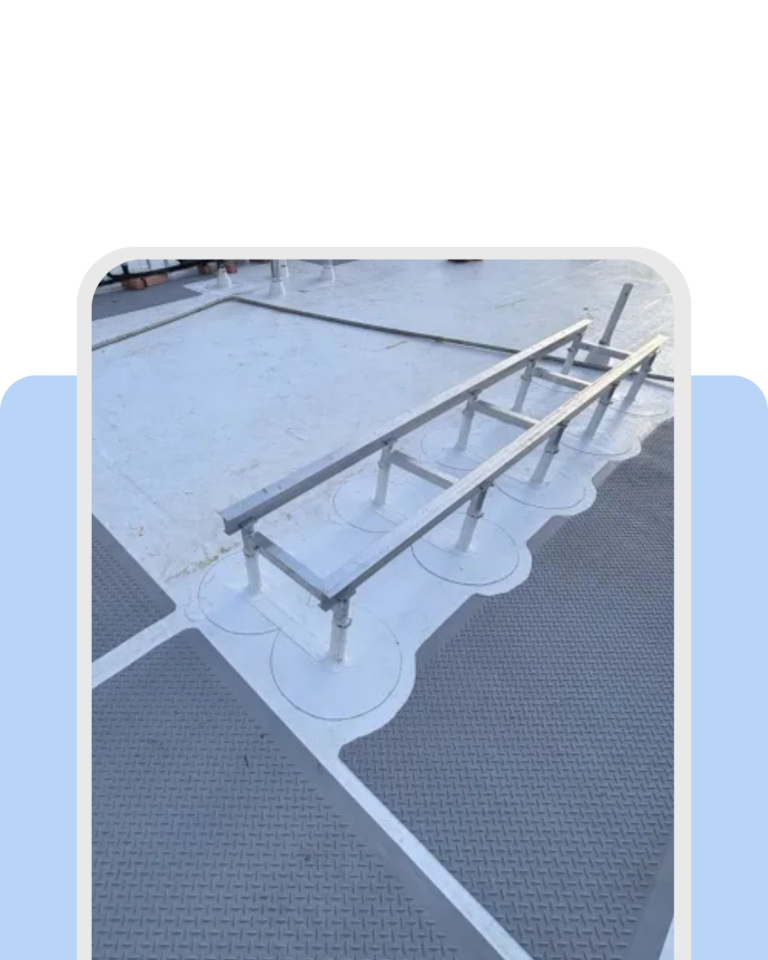
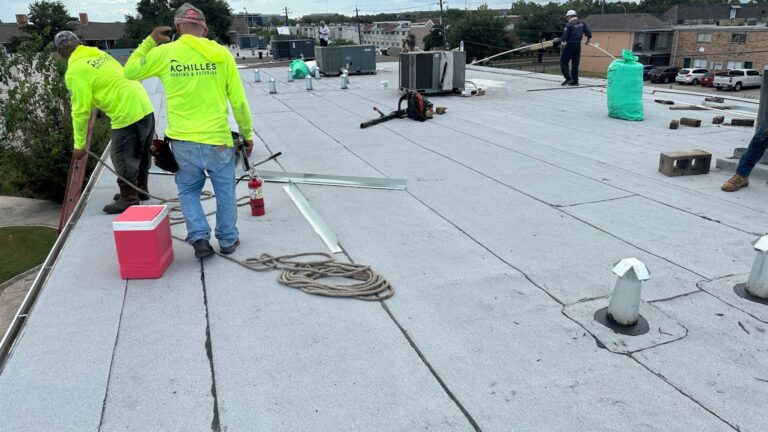
Many mid-rise and converted warehouse buildings near Downtown were built with flat or low-slope systems for rooftop access and mechanical equipment. These roofs rely on membrane materials like TPO rather than shingles — see our TPO flat roofing page for how these systems are installed.
How does pooling water affect a flat roof near Downtown 77002?
Standing water on a low-slope membrane accelerates wear and can lead to leaks at seams and penetrations. A roof inspection can confirm whether drainage or slope is the underlying cause.
Do older brick buildings downtown need different roof flashing?
Brick parapet walls common in Downtown Houston require flashing details sized to the wall assembly, not a standard residential edge. Our flashing repair service addresses these transitions specifically.
Does City of Houston require a permit for roof replacement downtown?
Most roof replacements in the City of Houston require a permit through the Houston Permitting Center. Requirements and current fees are listed on the Houston Permitting Center site.
How does urban heat around downtown buildings affect roof lifespan?
Surrounding pavement and buildings hold heat longer, which can add extra thermal stress to roofing materials nearby. The EPA’s Heat Island Effect page explains how this urban heat pattern forms.
Can storm damage from downtown high-rises affect nearby roofs?
Wind funneling between taller buildings can direct debris onto adjacent lower rooflines during storms. Our storm damage repair team evaluates this type of localized impact.
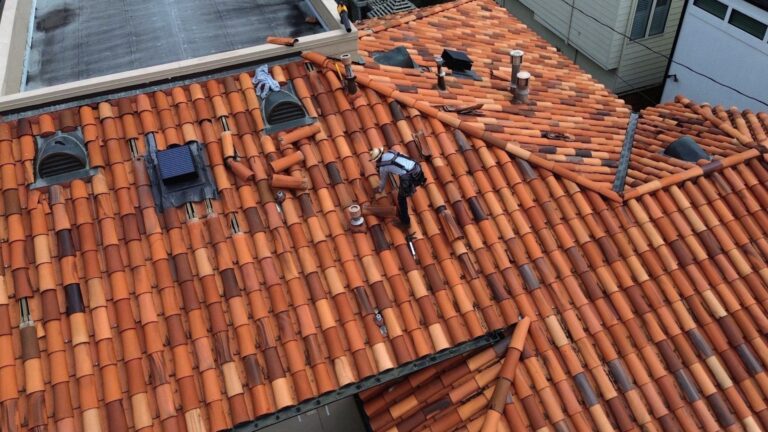
What roof vent options work on downtown properties 77002 with limited roof space?
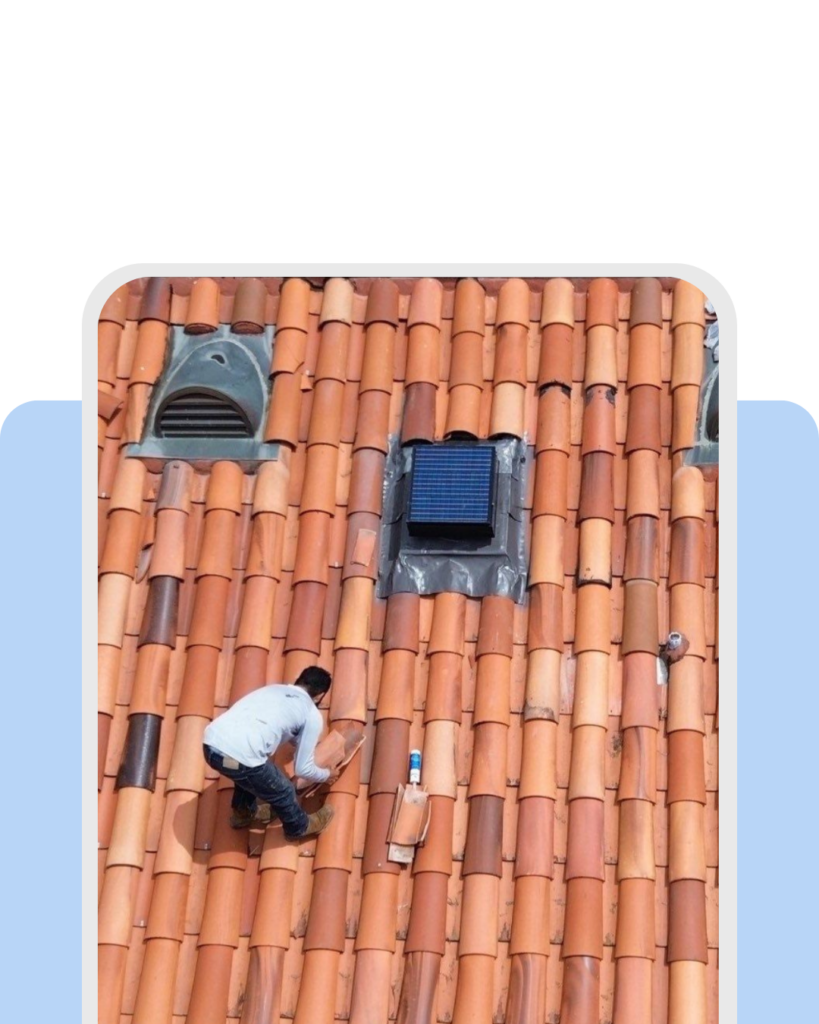
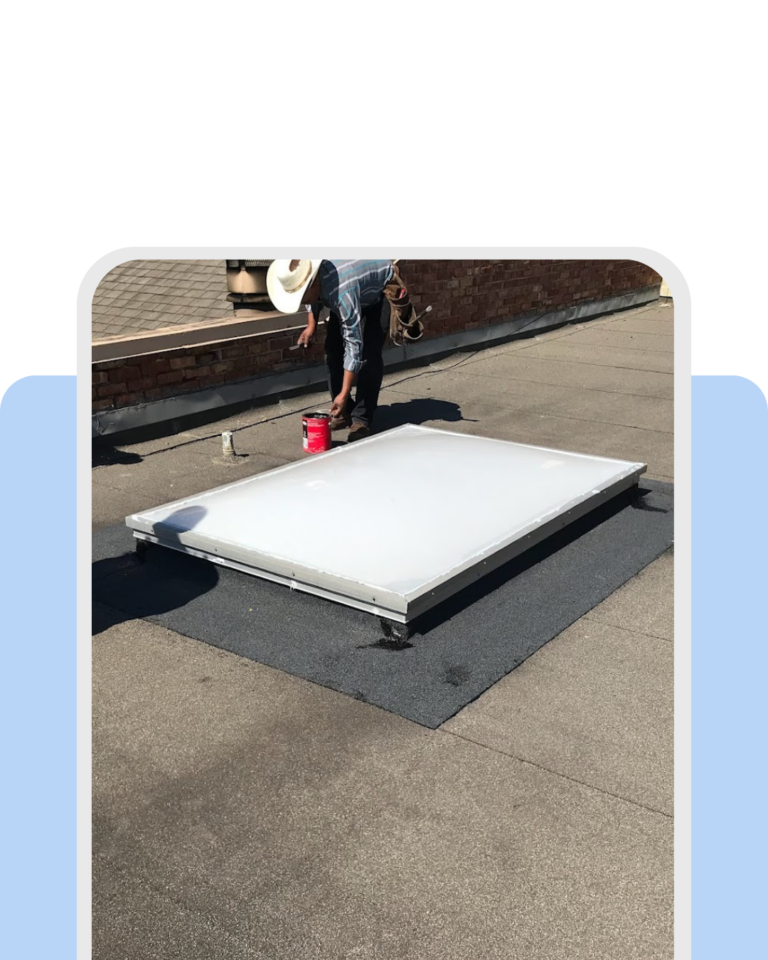
Compact vent and skylight solutions are often used where roof space is limited on smaller downtown lots. See our sun tunnel installation option for daylighting without a full skylight footprint.