
































Why do so many Houston Heights roofs still have original wood decking?
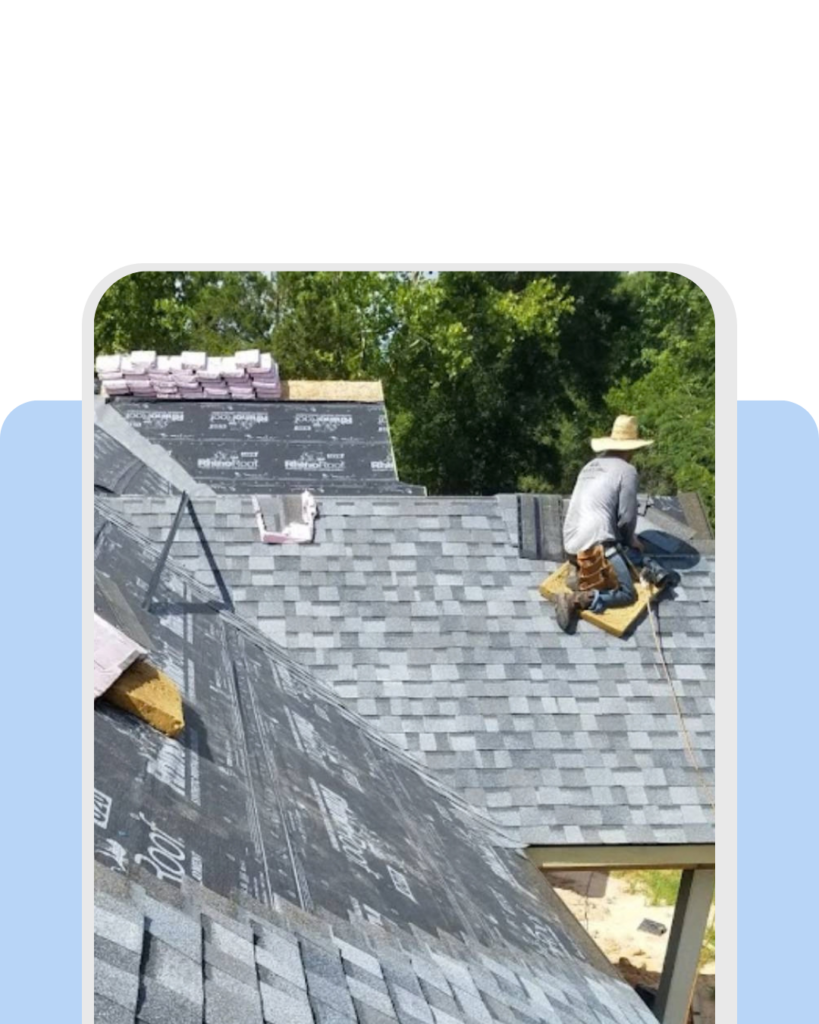
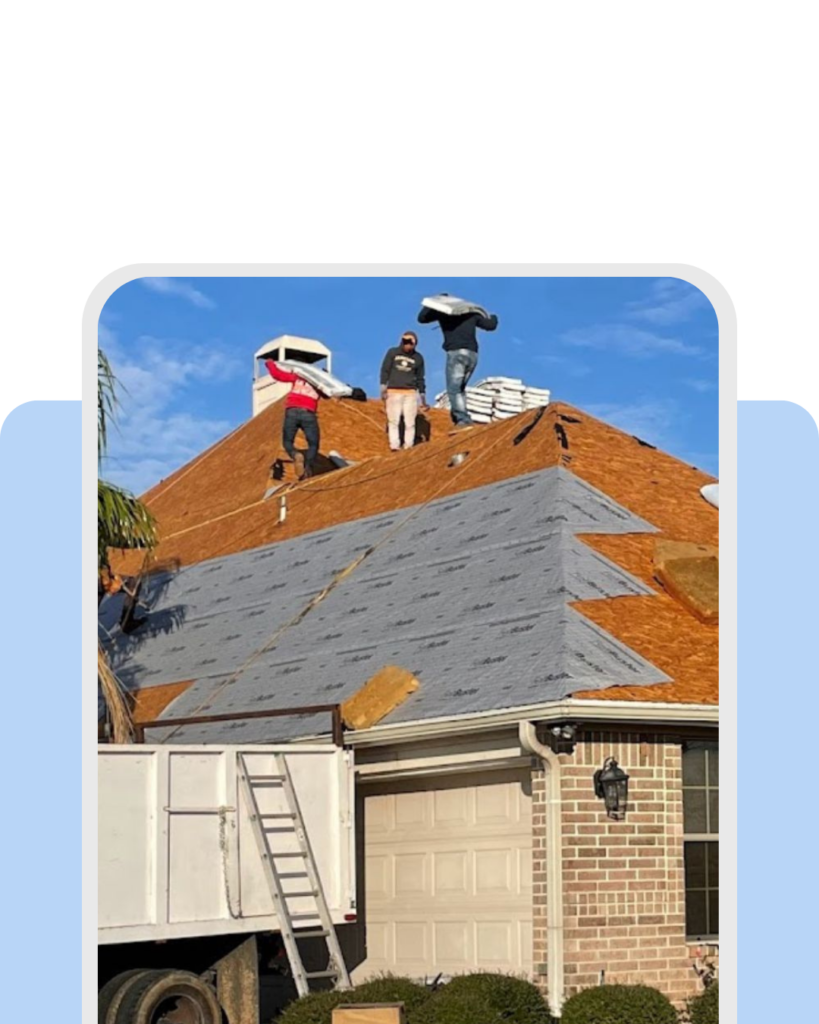
Many Heights homes date to the 1920s–1950s and were never fully re-decked during past re-roofs. A roof inspection can confirm whether the existing decking still meets current International Code Council standards before a new roof is installed.
Can a historic Heights bungalow roofline support Spanish tile?
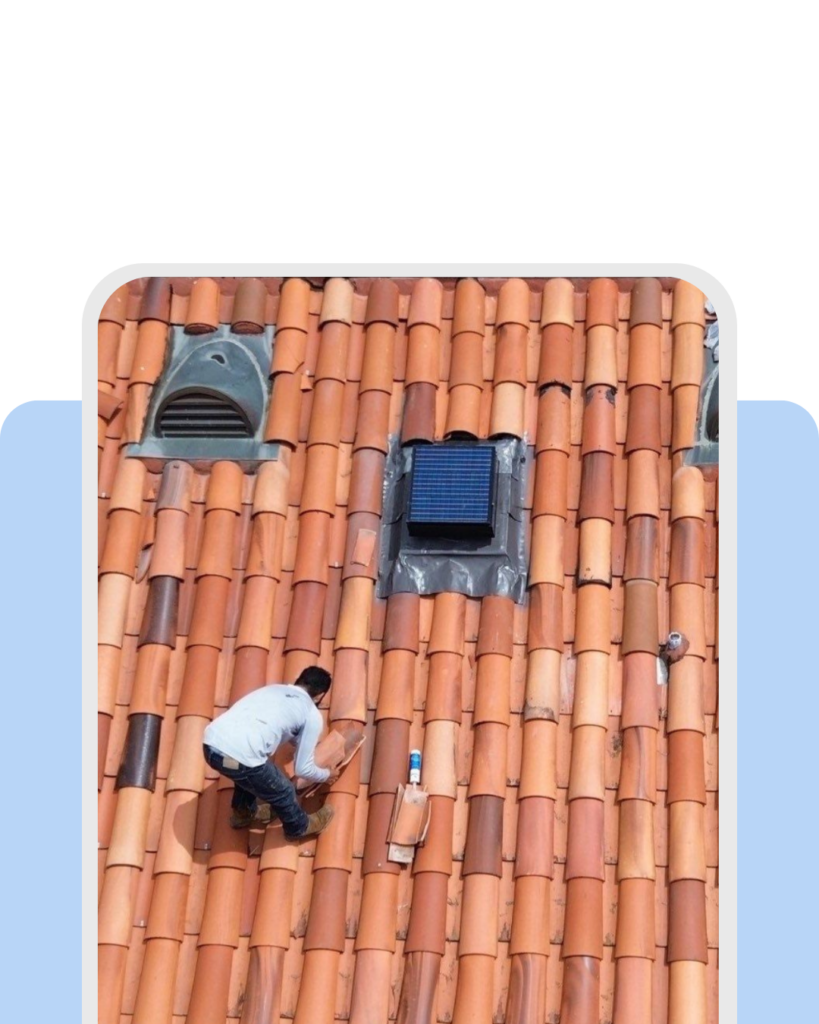
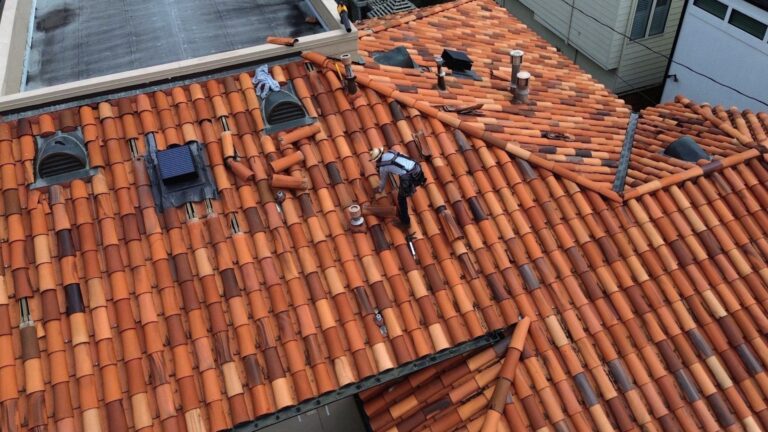
It depends on the original framing’s load capacity, since tile is significantly heavier than asphalt shingles. Our Spanish tile installation team checks structural capacity first, before recommending tile over lighter alternatives.
Why does attic heat build up faster in older Heights homes?
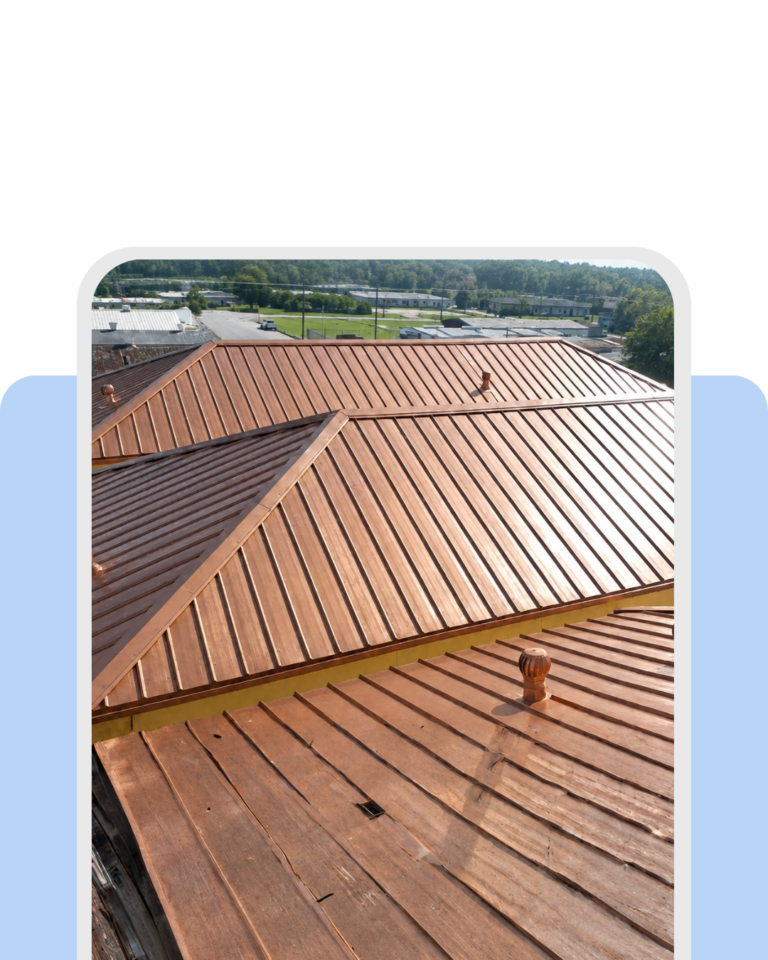
Original 1930s–1950s construction often lacked ridge venting, so hot air has nowhere to escape. Ventilation upgrades pairing soffit intake with ridge exhaust address this without altering the home’s historic roofline.
Do Houston Heights renovations require roofing permits?
Most reroofing and structural roof work in the City of Houston requires a permit through the city’s building department. Check current requirements on the Houston Permitting Center site before scheduling work.
How does humidity affect flat-roof additions common on Heights remodels?
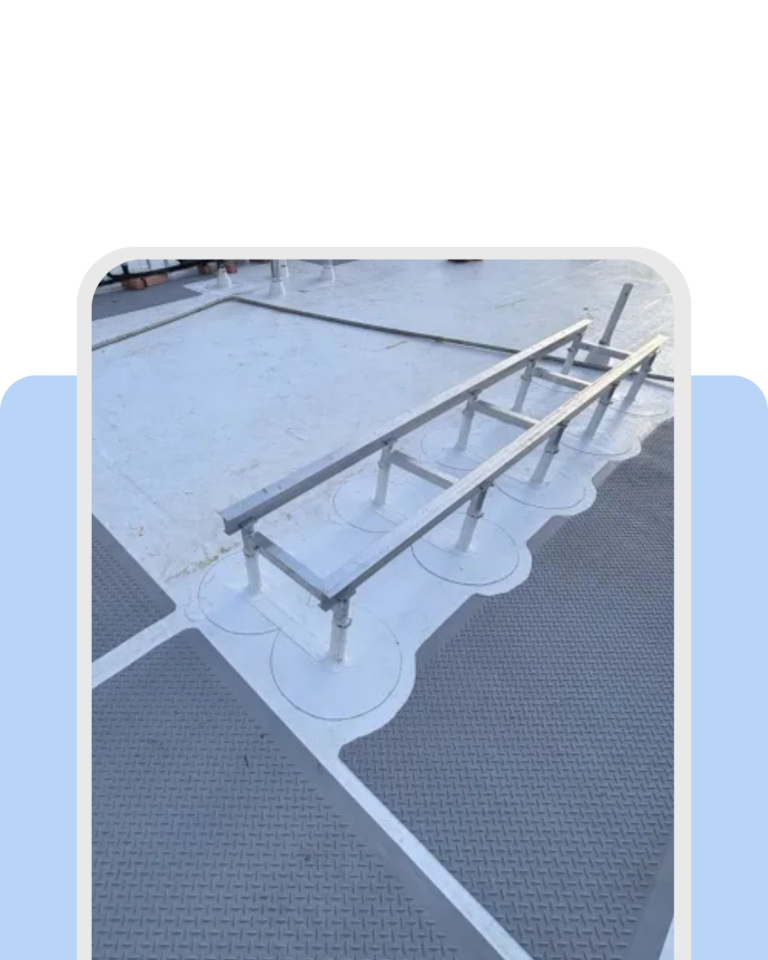
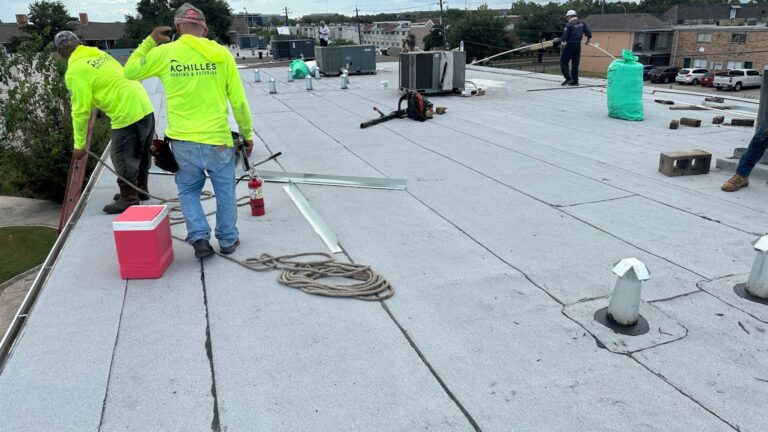
Rear additions with low-slope roofs trap moisture longer than the original pitched sections, accelerating membrane wear. Flat roofing systems designed for drainage reduce standing water on these additions.
What causes flashing leaks around Heights chimneys and dormers?
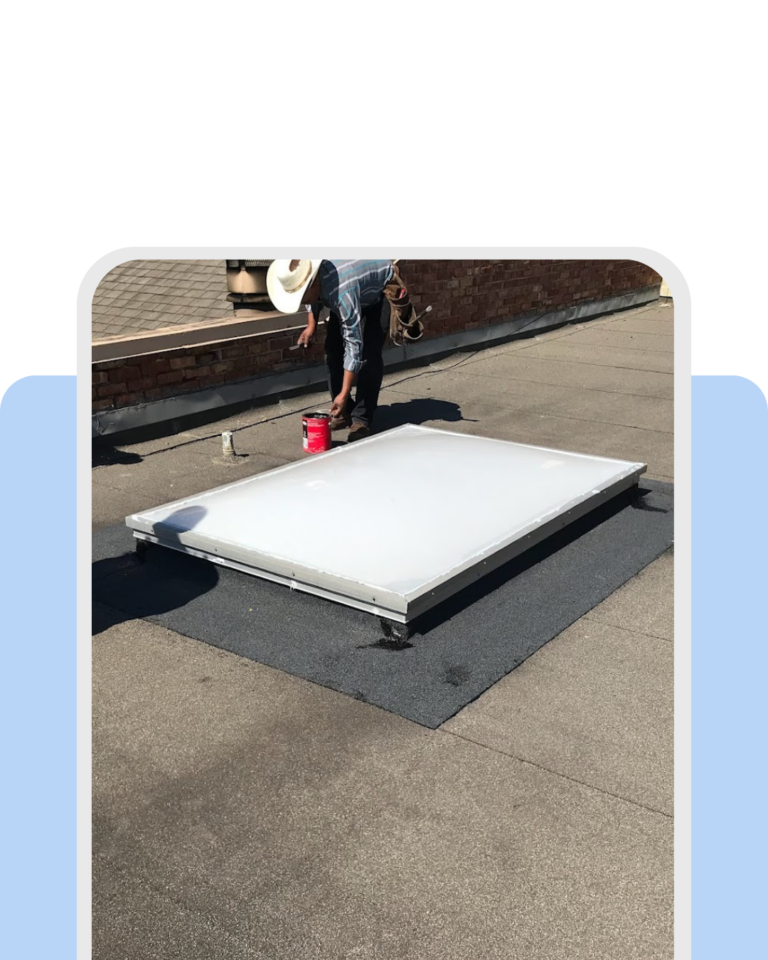
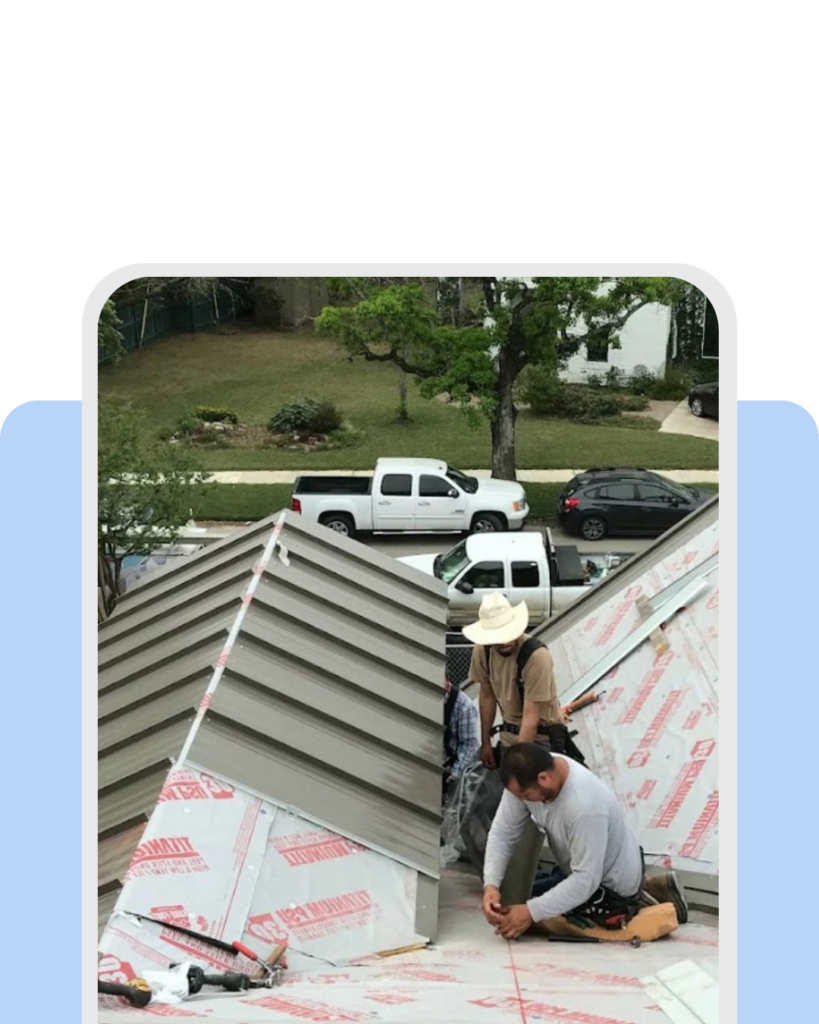
Original metal flashing on older Heights homes has often outlived the shingles installed around it, leaving gaps at joints. Roof leak repair that replaces flashing—not just patches it—stops recurring leaks at these transitions.
Should hail damage on a Heights roof be repaired or reported first?
Document the damage with photos before any repair work begins, since this supports any insurance claim. The FEMA flood and storm resource pages outline general post-storm documentation steps for homeowners.