
































Why do older Montrose bungalows show roof wear sooner than newer homes?
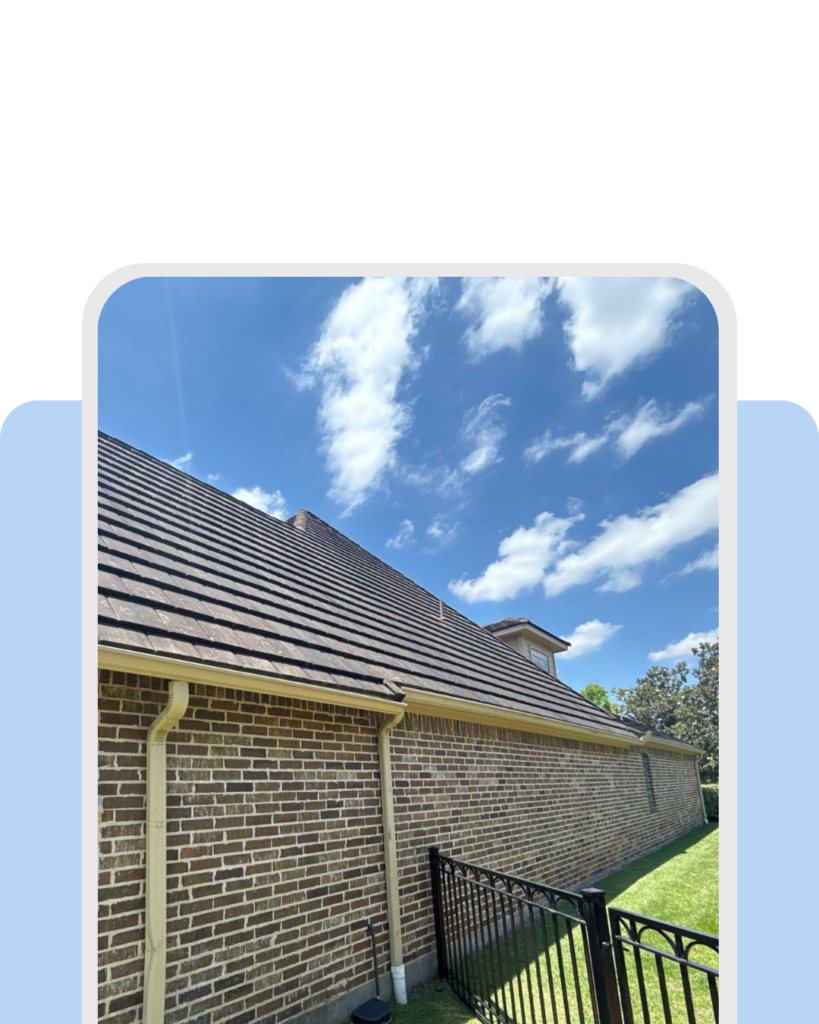
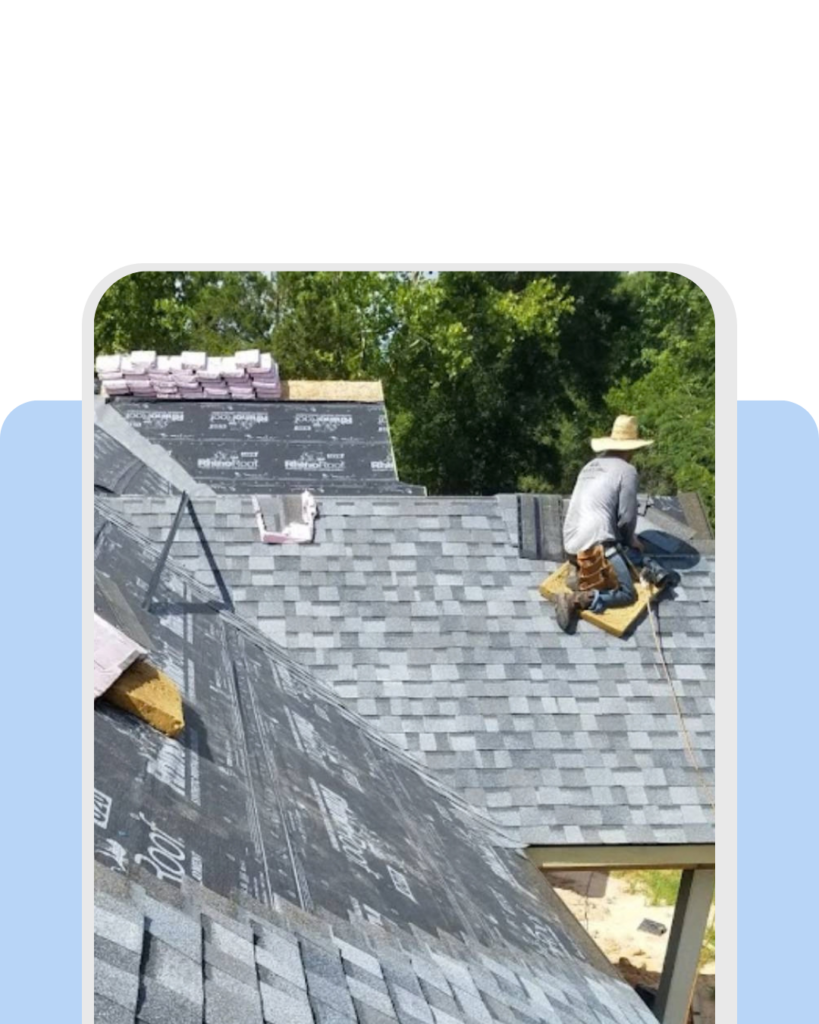
Many Montrose bungalows date to the early 1900s, so original decking and multiple past roof layers add stress that modern homes don’t carry. A roof inspection can confirm whether the decking underneath is still sound.
Does Montrose’s tree canopy affect roof maintenance?
Montrose’s mature oak-lined streets drop leaves and branches that collect in valleys and gutters, holding moisture against the shingles. Regular debris removal and a roof inspection help catch trapped moisture before it reaches the decking.
Can flat-roofed additions on Montrose homes be repaired without replacing the whole roof?
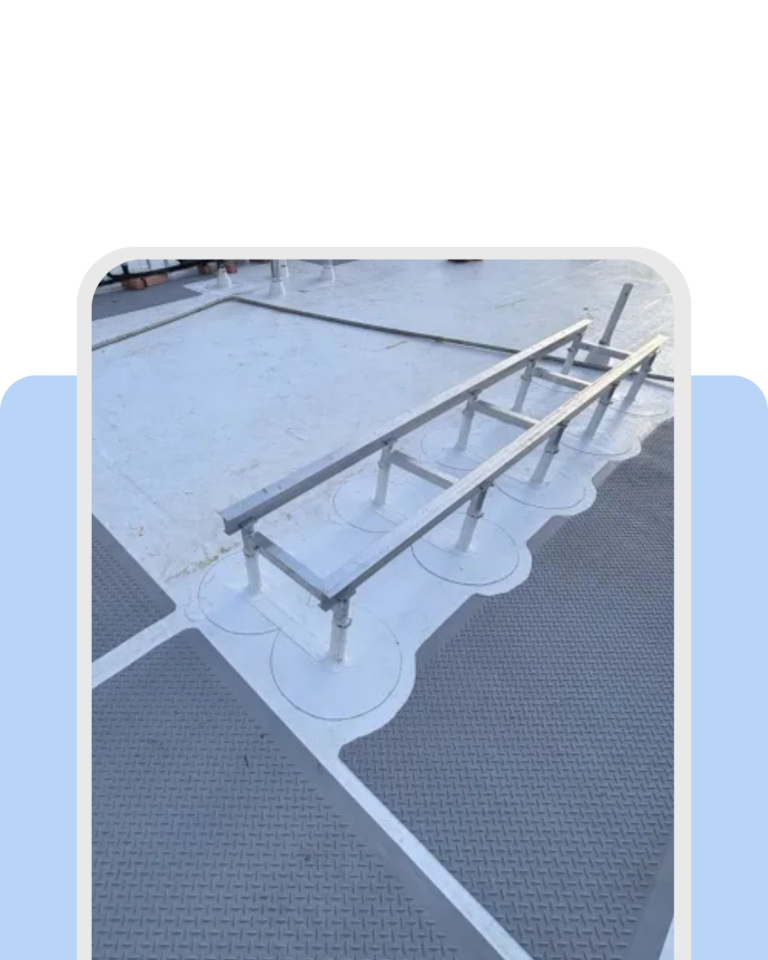
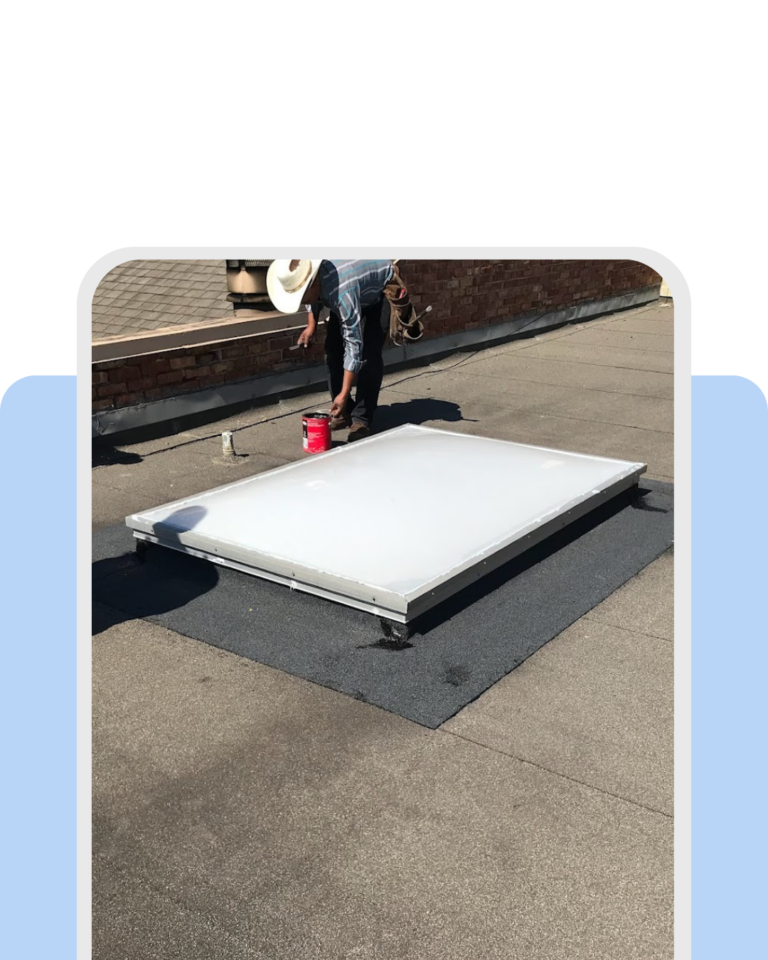
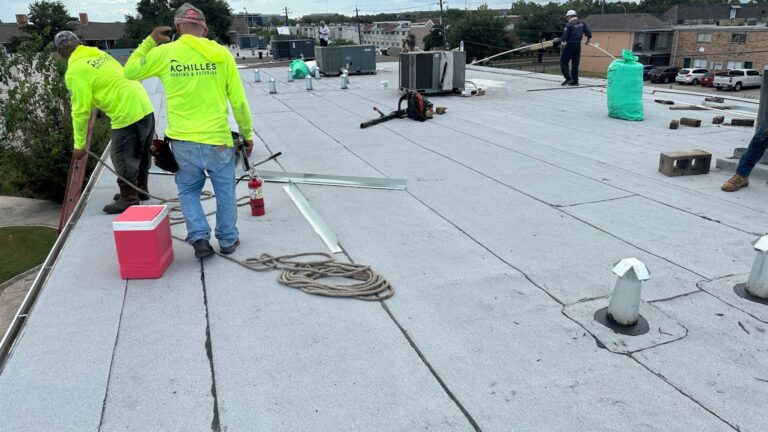
Yes, flat or low-slope additions common on renovated Montrose bungalows can usually be repaired separately from the main sloped roof. See our roof repair services for flashing and membrane work on these sections.
What roofing style fits Montrose’s historic district guidelines?
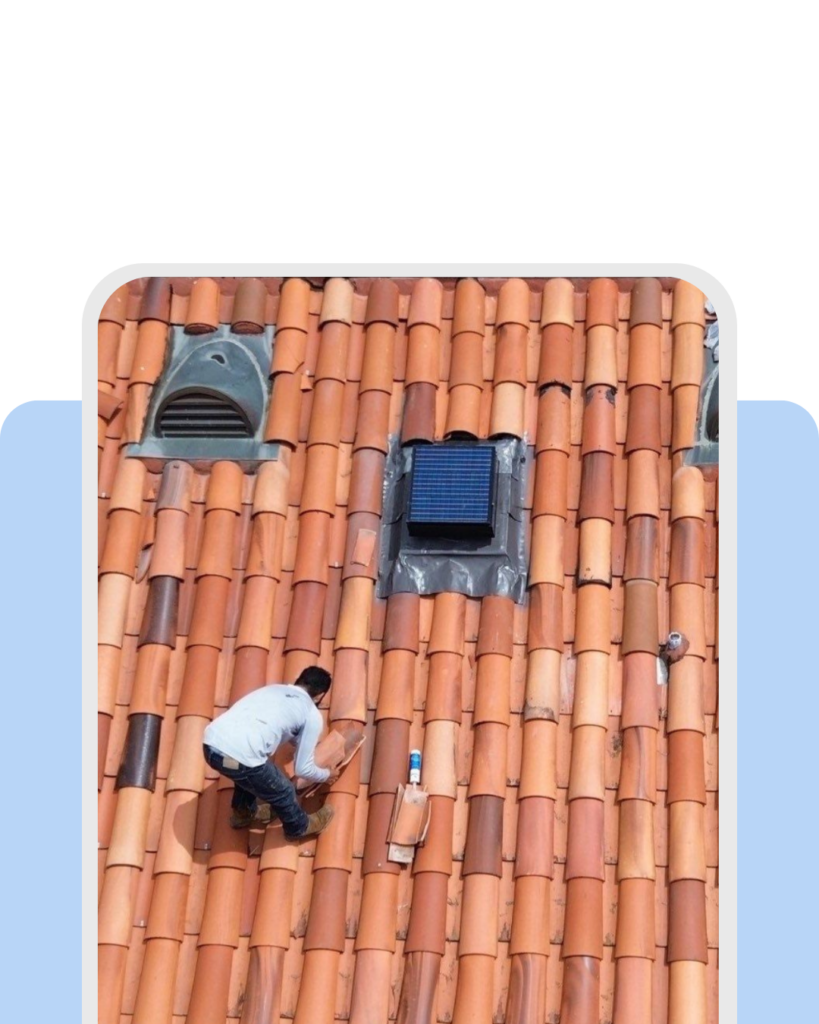
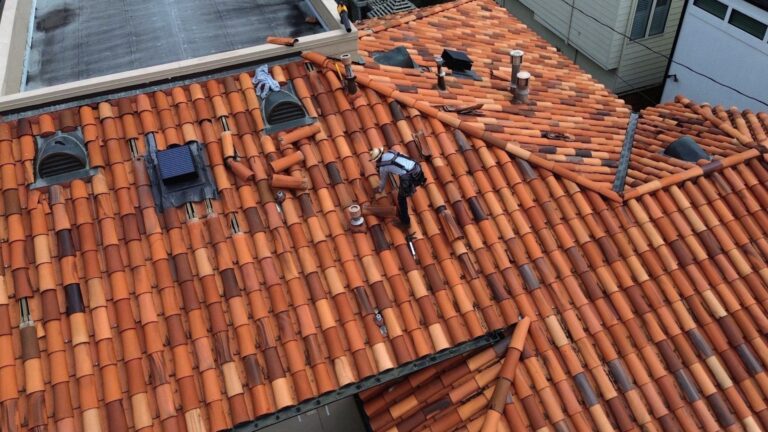
Homes within Montrose’s designated historic districts often need roofing materials that match original profiles, such as dimensional shingles or tile during a Roof Replacement.
How does Houston’s humidity affect attics in Montrose homes 77006 & 77019?
Trapped attic heat and humidity accelerate shingle aging from underneath, especially in homes with blocked soffit vents.
What should I check after a storm passes through Montrose?
Look for granule loss in gutters, dented metal flashing, and shingles that appear lifted or creased. Our storm damage repair team can document damage for insurance before repairs begin.
Is it common for Montrose townhomes to need different roofing than nearby bungalows?
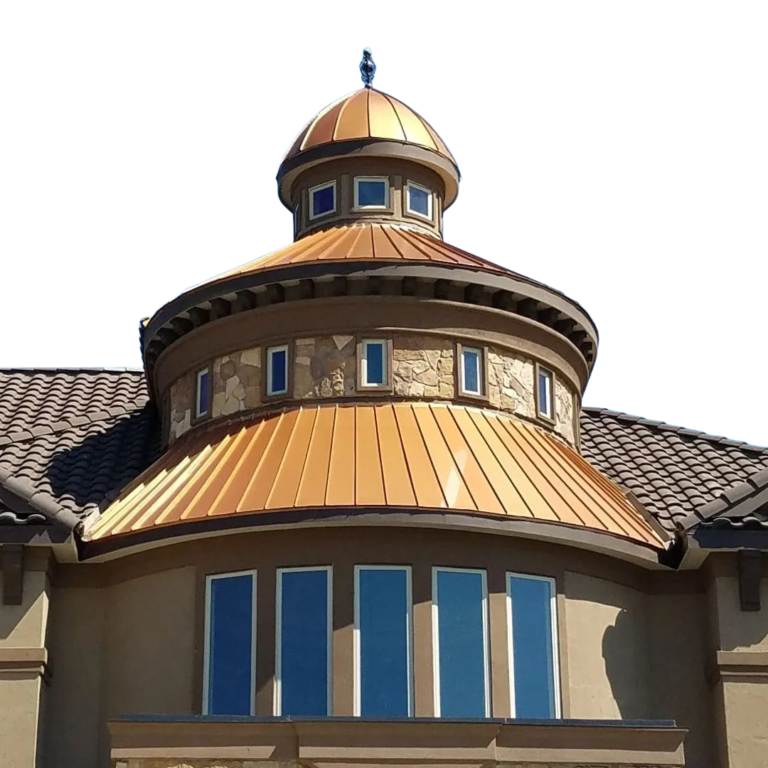
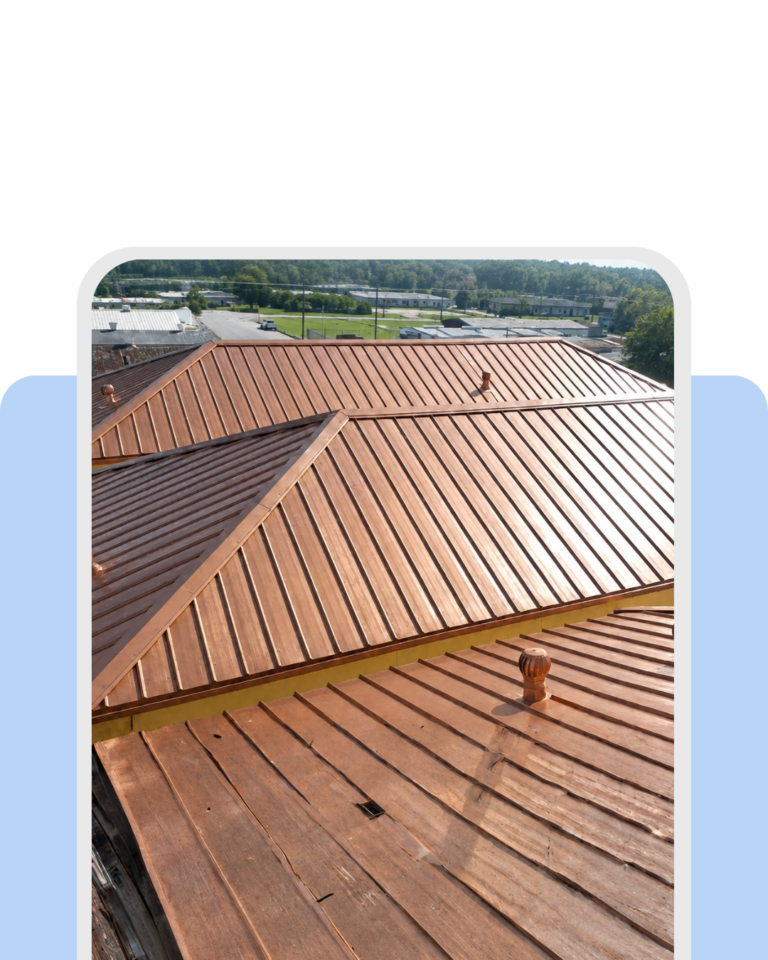
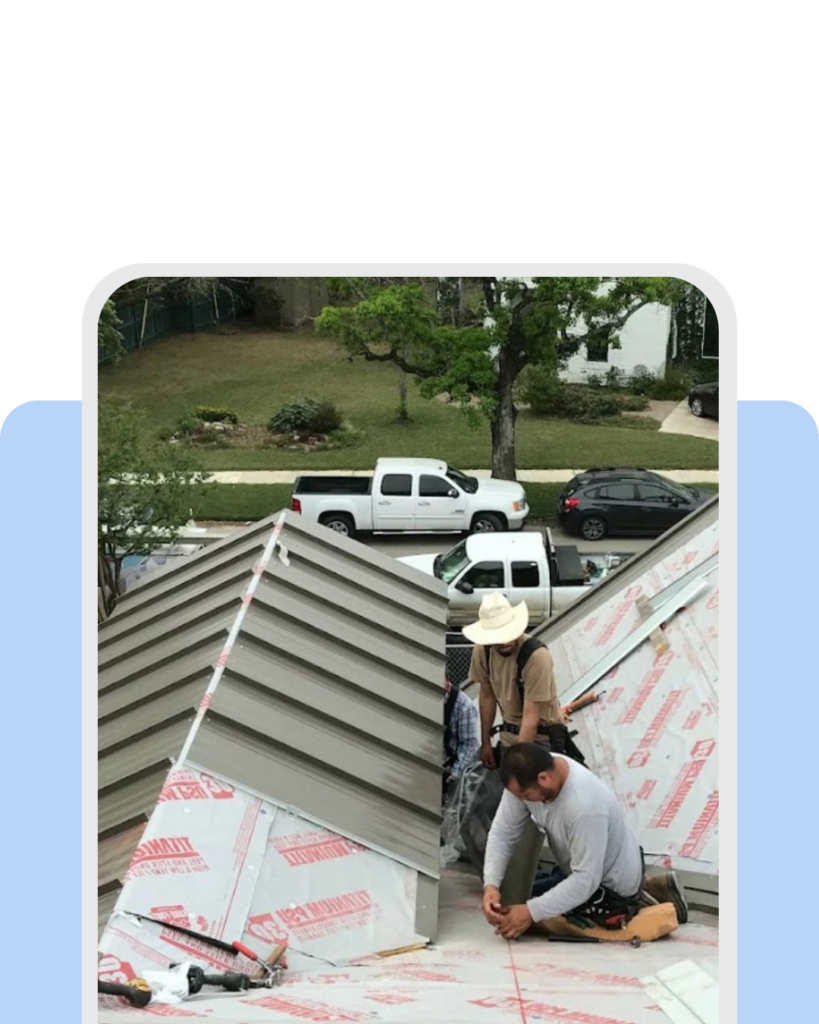
Yes, newer Montrose townhomes often use lower-slope metal or standing-seam systems, while surrounding bungalows use traditional shingle roofs. Our standing seam metal roofing covers the systems typically used on these newer builds.