



















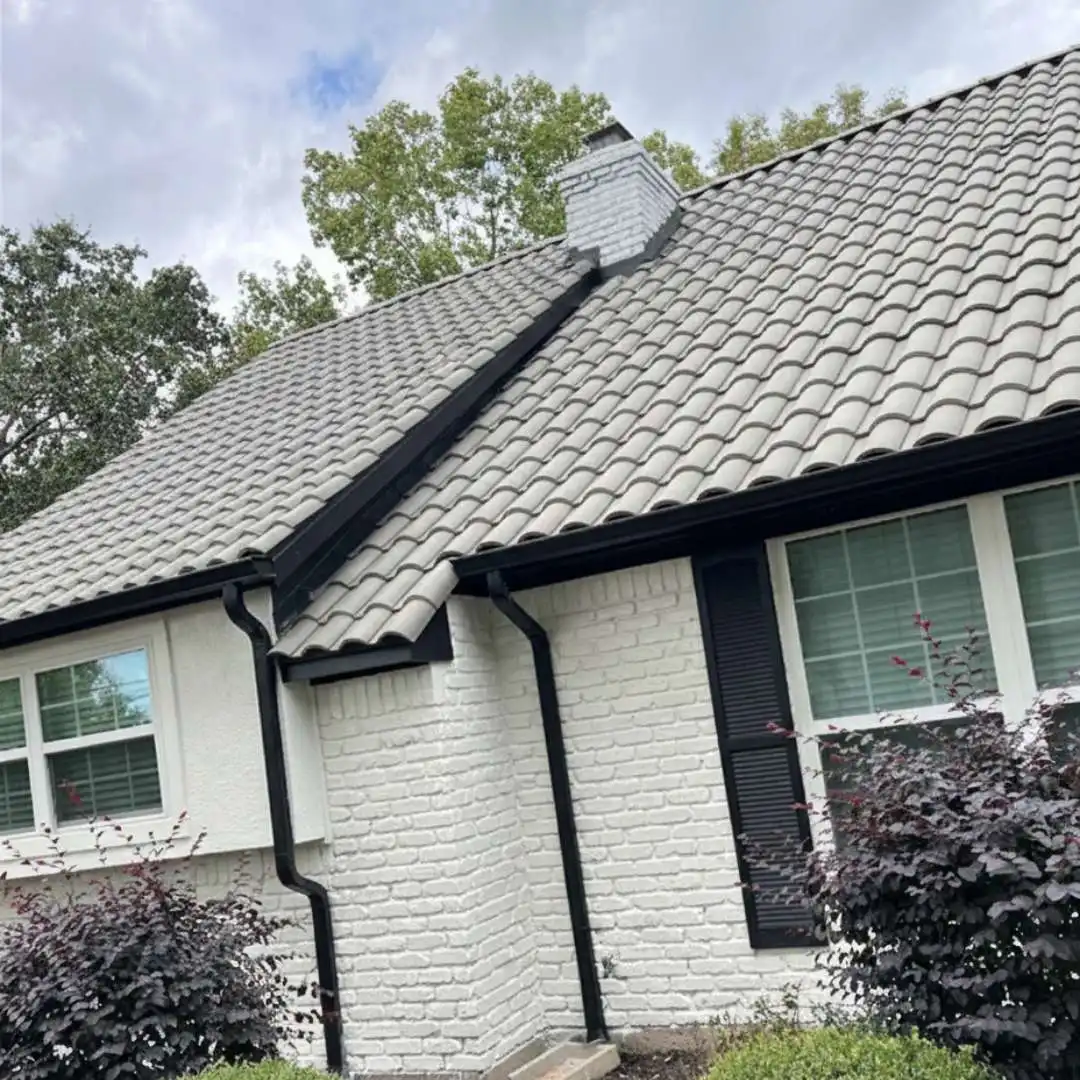
How do I know it’s time to replace my clay tile roof instead of repairing it?
Replacement is usually the better option when more than 15–20% of tiles are cracked or slipped, the underlayment beneath the tile has failed, or repeated repairs haven’t stopped recurring leaks. A roof inspection can confirm whether the deck and underlayment, not just the tile, need attention.
How long does a clay tile roof replacement take in Houston?
A full clay tile roof replacement on an average Houston home typically takes one to two weeks, depending on roof size, tile availability, and weather delays. Tear-off, deck repair, underlayment, and tile installation are each scheduled as distinct phases.
Can you match new clay tiles to my existing roof’s color and profile?
In most cases, yes — we source replacement tile in matching or close color and profile blends from tile manufacturers we work with regularly. Older or discontinued tile profiles sometimes require a full re-tile to achieve a uniform look.
Does a clay tile roof replacement require upgrading the underlayment?
Yes — clay tile roofs rely on the underlayment, not just the tile, for waterproofing, and underlayment typically wears out well before the tile itself. Every full replacement includes new high-temperature synthetic or modified bitumen underlayment rated for Houston’s humidity.
How much does clay tile roof replacement cost compared to a tile repair?
A full clay tile roof replacement costs significantly more than a localized repair, since it includes tear-off, deck inspection, full underlayment, and new tile across the entire roof. Pricing depends on roof size, pitch, and tile profile — we provide a written estimate after an on-site or drone inspection.
Will my home’s structure support a full clay tile roof replacement?
Most Houston homes originally built with clay tile already have adequate rafter and decking support, but we confirm load capacity during the estimate, especially on older homes or where decking has deteriorated. Reinforcement is addressed before new tile is installed if needed.
Are permits required for a clay tile roof replacement in Houston?
Most full roof replacements in Houston require a permit through the applicable city or Harris County building department before work begins. We handle permit filing and schedule the required inspections as part of every clay tile replacement.
How does Houston’s humidity affect clay tile roof longevity?
The clay tile itself resists humidity well, but underlayment, flashing, and fasteners beneath it are what typically fail first in Houston’s year-round moisture and heat. Replacing the underlayment along with the tile is what extends the roof’s service life, not the tile alone.
Can clay tile roofs withstand Houston hurricane-force winds?
Properly fastened and battened clay tile can meet high-wind performance standards used along the Texas Gulf Coast, including TWIA windstorm requirements. Fastening pattern, batten spacing, and underlayment quality matter as much as the tile itself during a replacement.
What warranty comes with a clay tile roof replacement?
Every Achilles clay tile roof replacement includes a 5-year workmanship warranty covering installation defects, separate from any manufacturer warranty on the tile itself. Warranty terms are provided in writing before work begins.
Do broken or cracked tiles always mean I need a full replacement?
No — a small number of cracked or broken tiles can often be individually replaced without a full tear-off, as long as the underlayment and decking beneath them are still sound. A roof inspection determines whether spot repair or full replacement is the right call.
How does clay tile roof replacement affect home energy efficiency?
Clay tile’s natural air gap between the tile and roof deck reduces heat transfer into the attic compared to asphalt shingles, which can lower summer cooling loads. The ENERGY STAR program recognizes ventilated, reflective roofing as a factor in overall home energy performance.