





























Do commercial and flex buildings in Stafford need different roofing than houses?
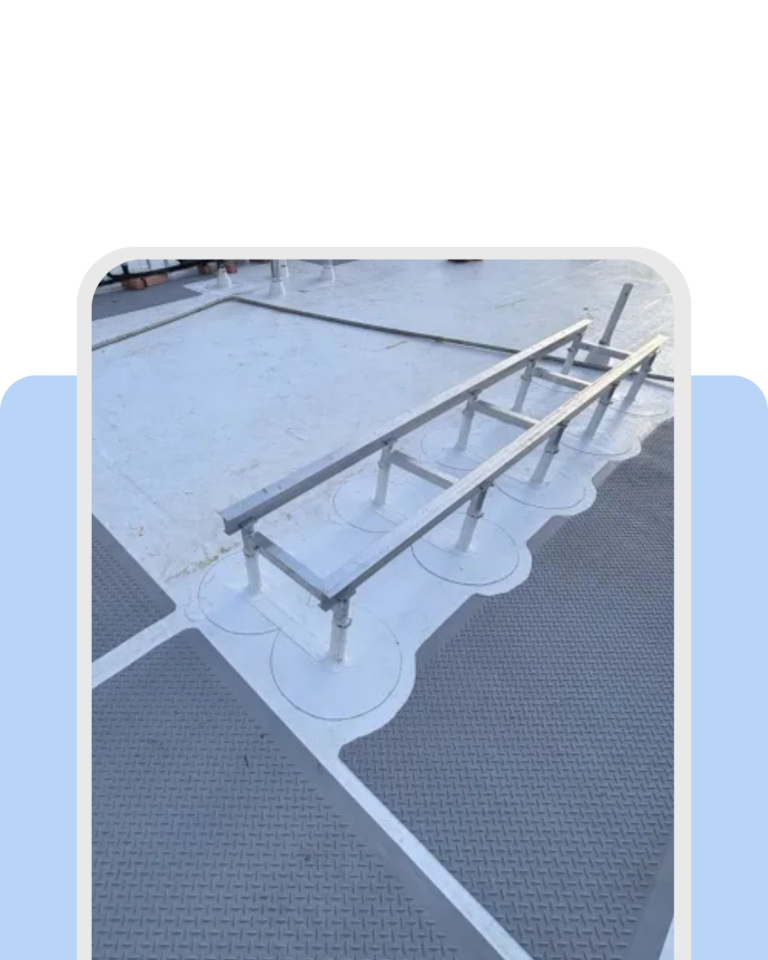
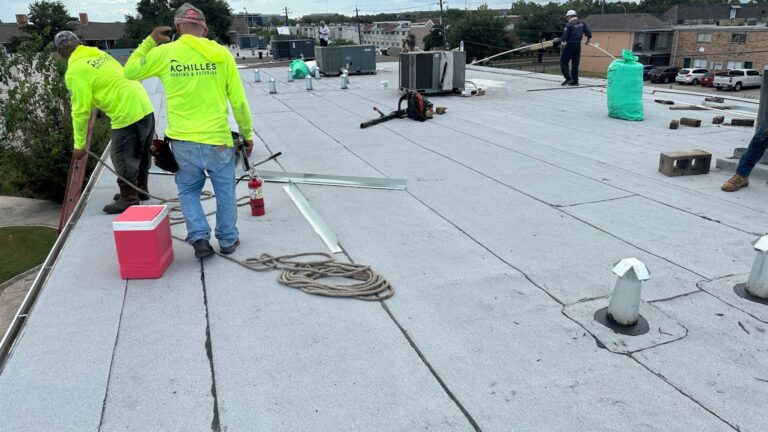
Yes. Most of Stafford’s warehouse, office, and flex buildings carry low-slope roofs that rely on a continuous membrane and a built-in drainage path rather than gravity and overlapping shingles. That makes seams, terminations, and clear drains the components that decide performance, which is why TPO, EPDM, and PVC systems need a set inspection cycle, as the National Roofing Contractors Association outlines.
How often should a roof in Stafford be inspected?
Twice a year is a workable baseline, timed before and after the hottest, wettest stretch, plus a check after any storm that brought high wind or hail — the National Weather Service tracks the season those checks should bracket. The point of a roof inspection is catching an open flashing joint or blocked drain early, since quiet failures cause more interior damage than dramatic ones.
Will a reflective roof lower cooling costs on a Stafford property?
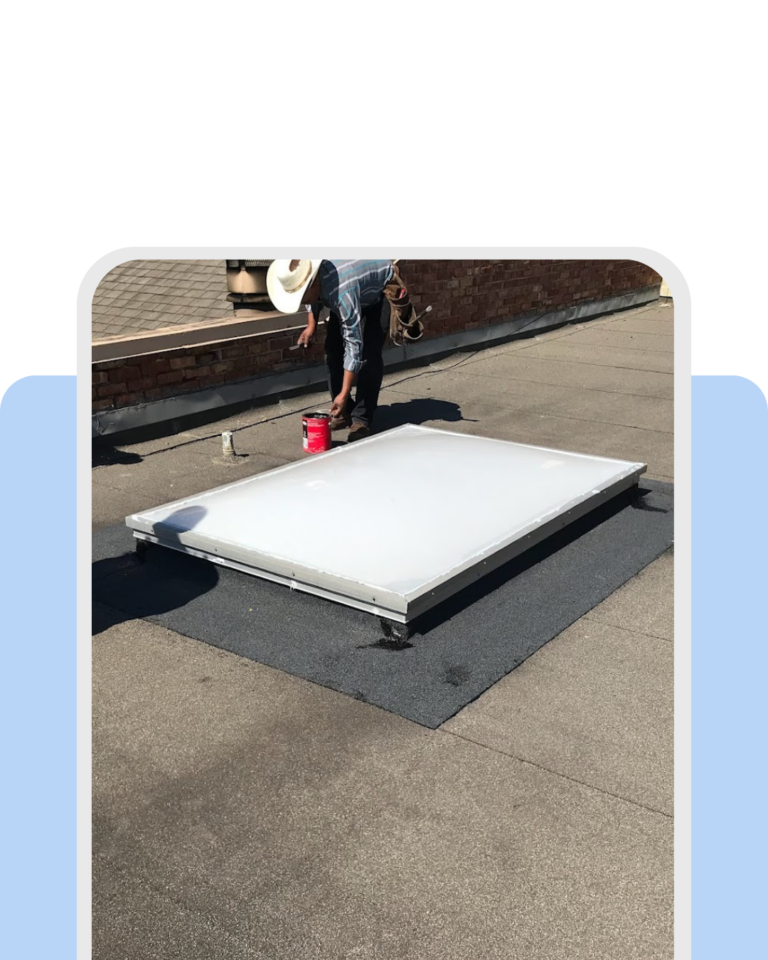
A reflective surface stays cooler in direct sun and pushes less heat into the space below, with the largest gains on wide low-slope roofs sitting directly over conditioned space, which is where an acrylic roof coating earns its keep. On a pitched Stafford home, reflective shingles and light-coloured metal both help, though the Department of Energy notes insulation usually contributes more.
Why does my Stafford roof only leak during wind-driven rain?
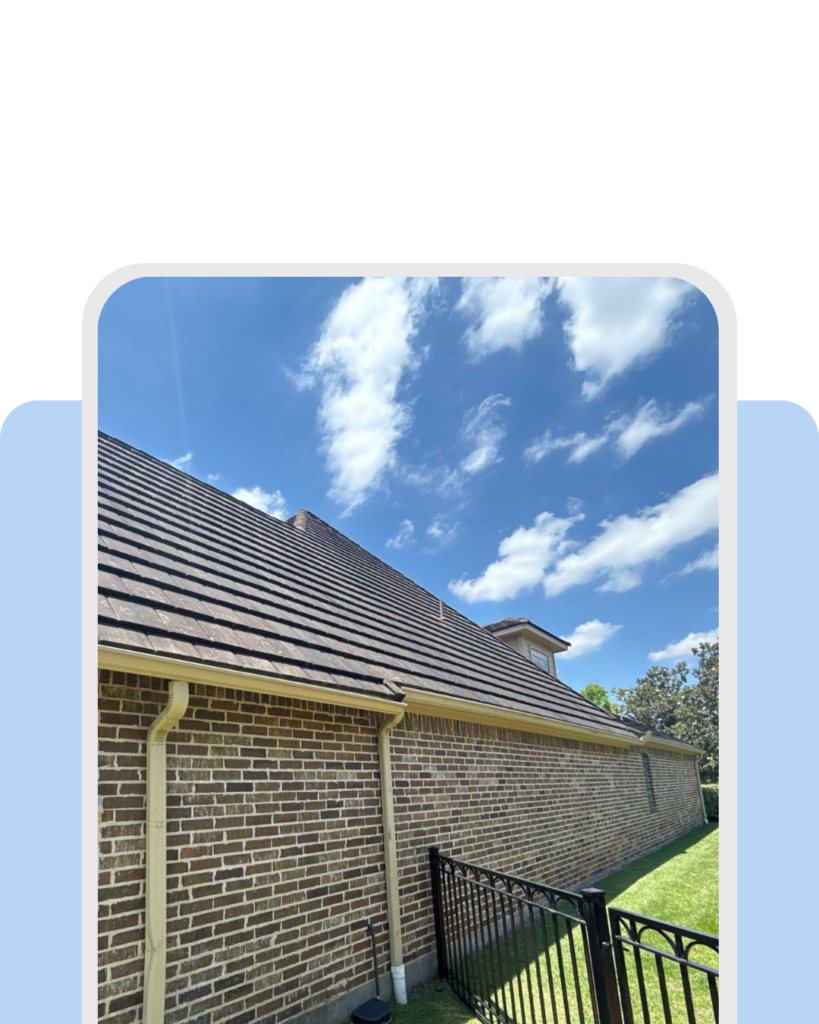
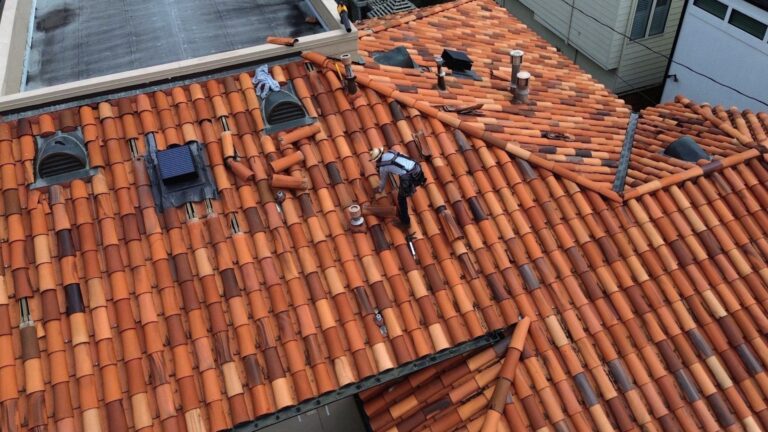
Shingles shed water travelling downhill, but wind-driven rain moves sideways and gets under laps that handle an ordinary shower without trouble — the National Weather Service treats wind and water as one hazard for that reason. Leaks appearing only in a hard blow almost always trace to a detail such as step flashing or a hardened vent boot, which is what a leak trace is built to find.