































Why do roofs near Clear Lake age faster than roofs farther inland?
Proximity to Galveston Bay means more sustained humidity and salt-laden air moving across shingles year-round. A roof inspection can confirm how much granule wear this exposure has already caused.
Does living near the water change how often I need a roof inspection?
Coastal humidity accelerates wear on flashing and sealants faster than in drier inland neighborhoods. Most Clear Lake homeowners benefit from checking their roof after each named storm, not just once a year.
What should I do after a tropical storm passes through Clear Lake?
Look for lifted shingles, granule loss in gutters, and soft spots near vents before the next rain event arrives. Our storm damage repair team can document damage for insurance the same week.
Why does attic ventilation matter more for Clear Lake homes?
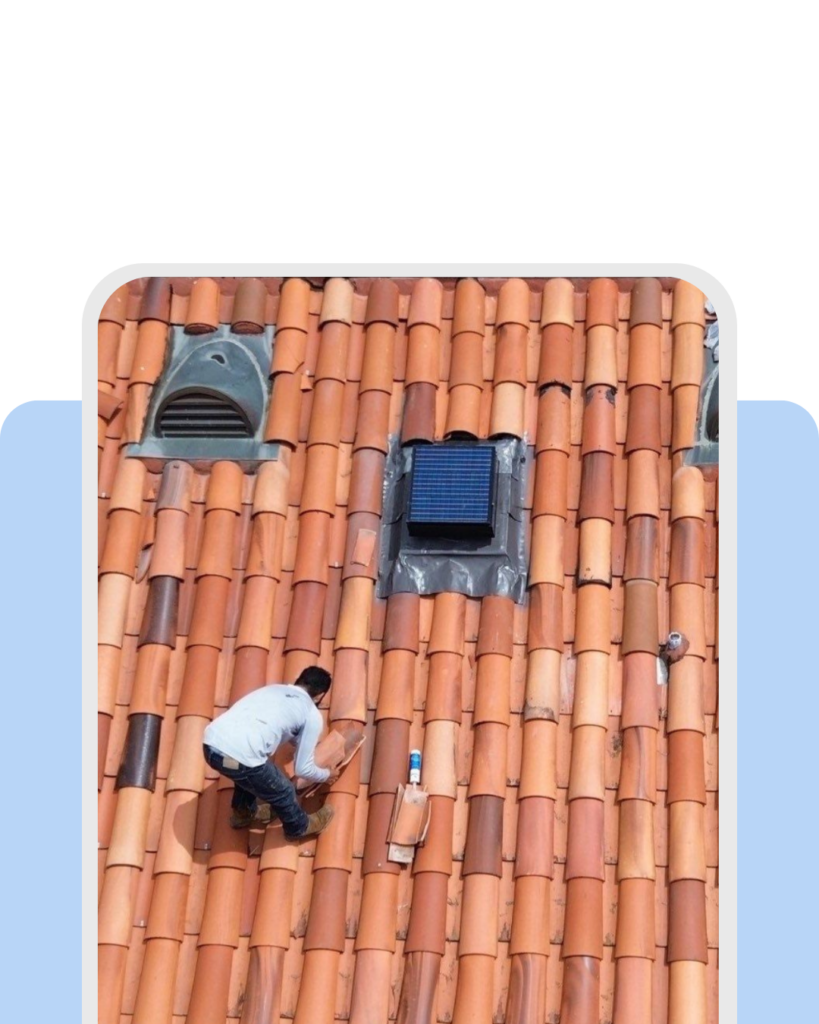
Trapped humid air in the attic condenses against roof decking faster in a bay-adjacent climate, which can rot sheathing from underneath. Balanced intake and exhaust, covered under roof ventilation upgrades, keeps that moisture moving out.
Can flat or low-slope sections near the water hold standing water longer?
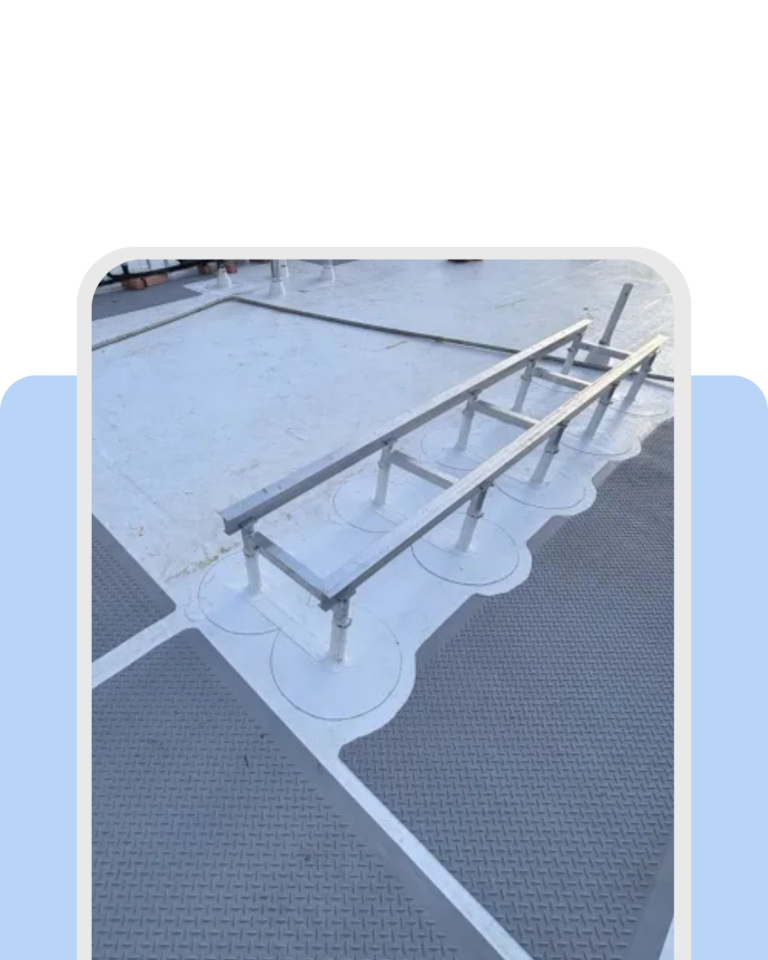
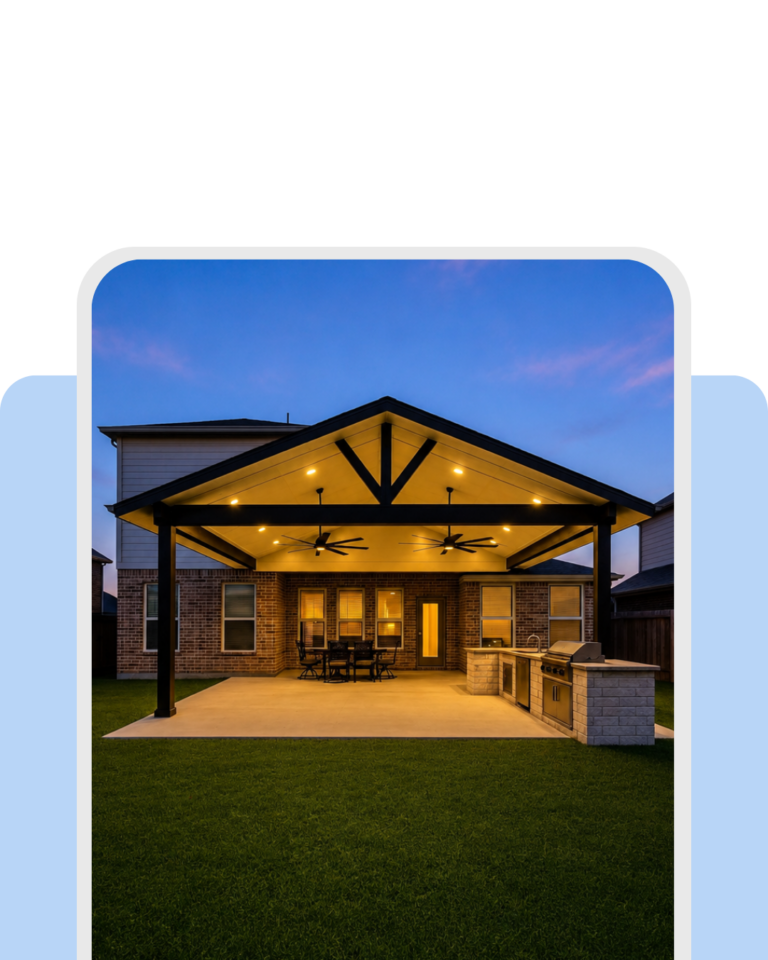
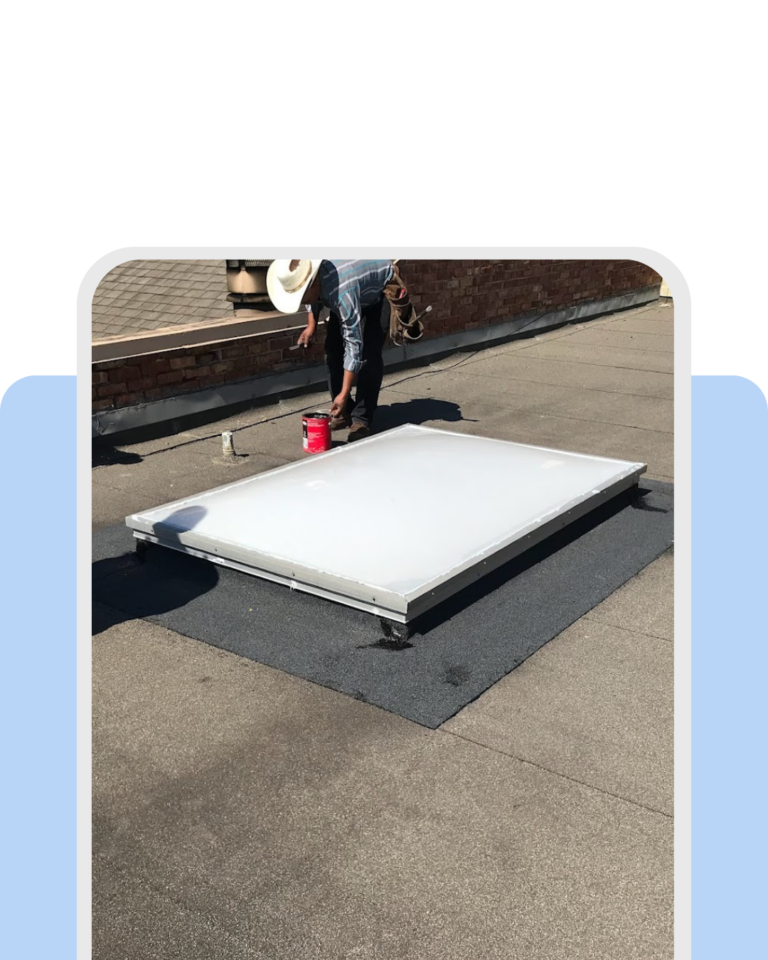
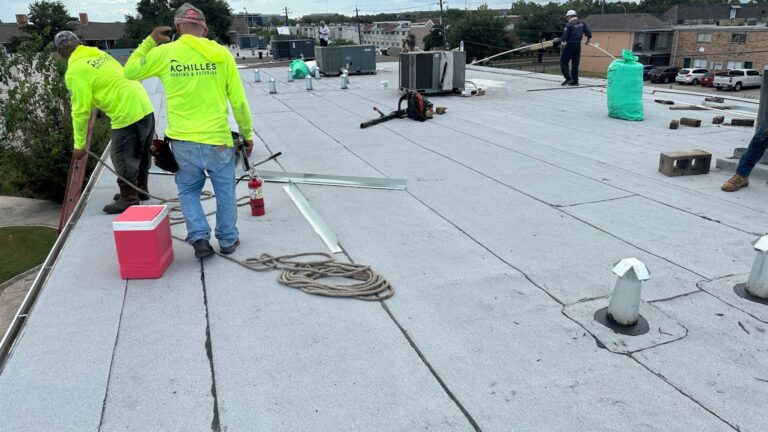
Flatter lake-area lots often drain slower, so patios, additions, and porte-cochere roofs can pond after heavy Gulf rain. Check the National Weather Service’s Houston/Galveston forecast office before scheduling flat-roof work around a wet pattern.
Do gutters and fascia need different care on a lakefront lot?
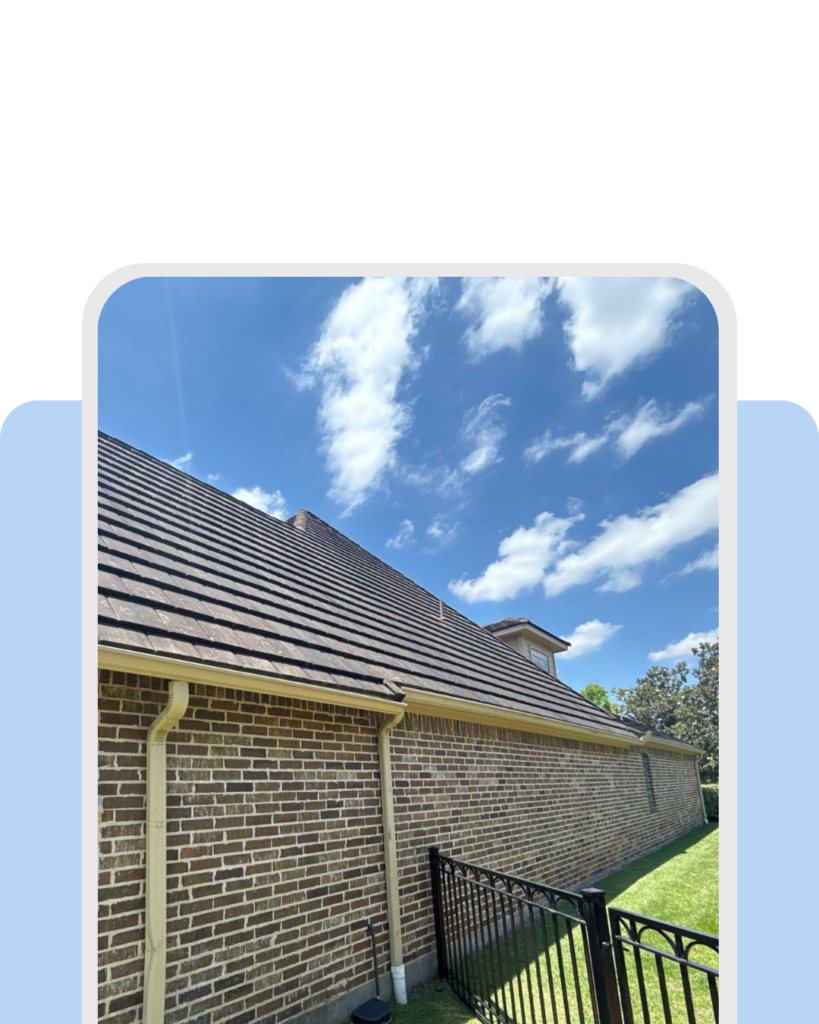
Constant humidity plus tree cover common around Clear Lake’s older streets can trap moisture against fascia boards longer than in drier subdivisions. Our soffit and fascia repair crew checks both during every replacement estimate.
Is a cool or reflective roof worth considering this close to the bay?
Reflective shingle and coating options can reduce attic heat gain during Clear Lake’s long cooling season. ENERGY STAR’s roofing products guidance outlines what qualifies as a cool roof material.