





























Does salt-laden air shorten the life of roof fasteners in Baytown?
Airborne salt and moisture corrode exposed metal faster than dry inland air does, so nails, drip edge, valley metal, and flashing usually wear out before the shingle field does. Coated or compatible fasteners and a periodic look at the metal details, which is what a roof inspection covers, keep a roof from failing at its edges first — the NRCA publishes background on material compatibility.
What wind rating should shingles carry on a Baytown home?
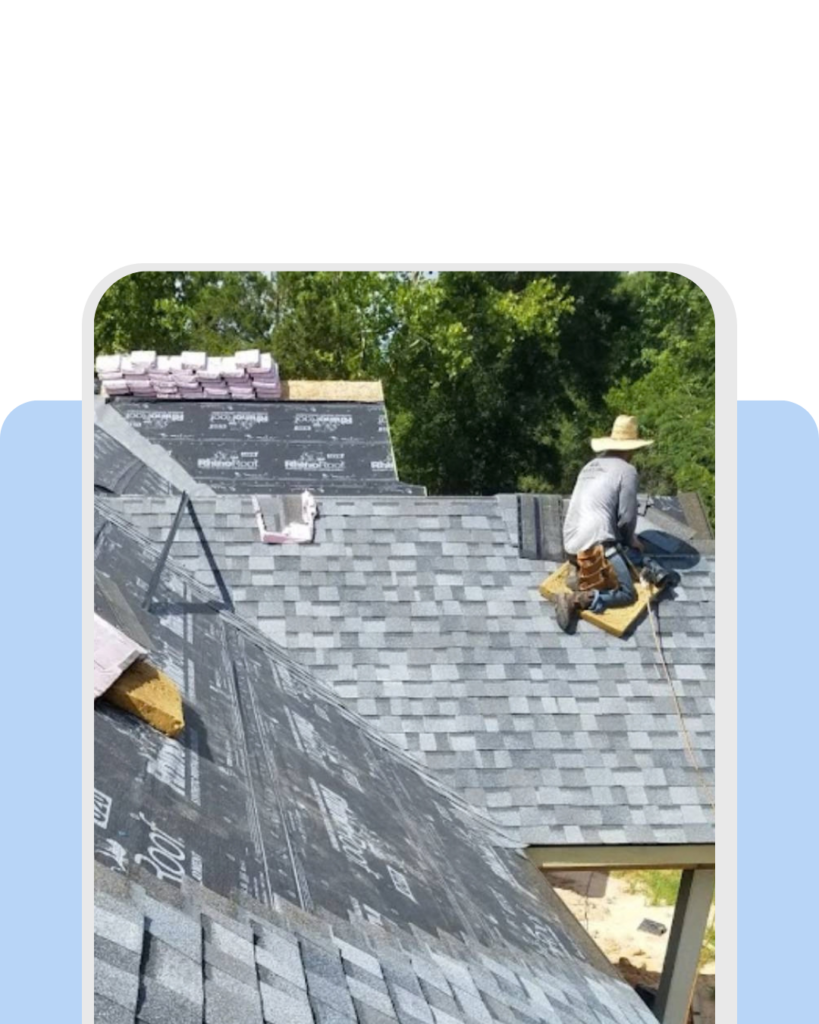
Wind performance depends on the shingle’s tested rating and on the nailing pattern used to install it, because an under-nailed high-rated shingle behaves like a low-rated one. Ask for the rating and the fastener count in writing on any roof replacement quote, and confirm the assembly matches the model code published by the International Code Council.
What should I do to my roof before hurricane season?
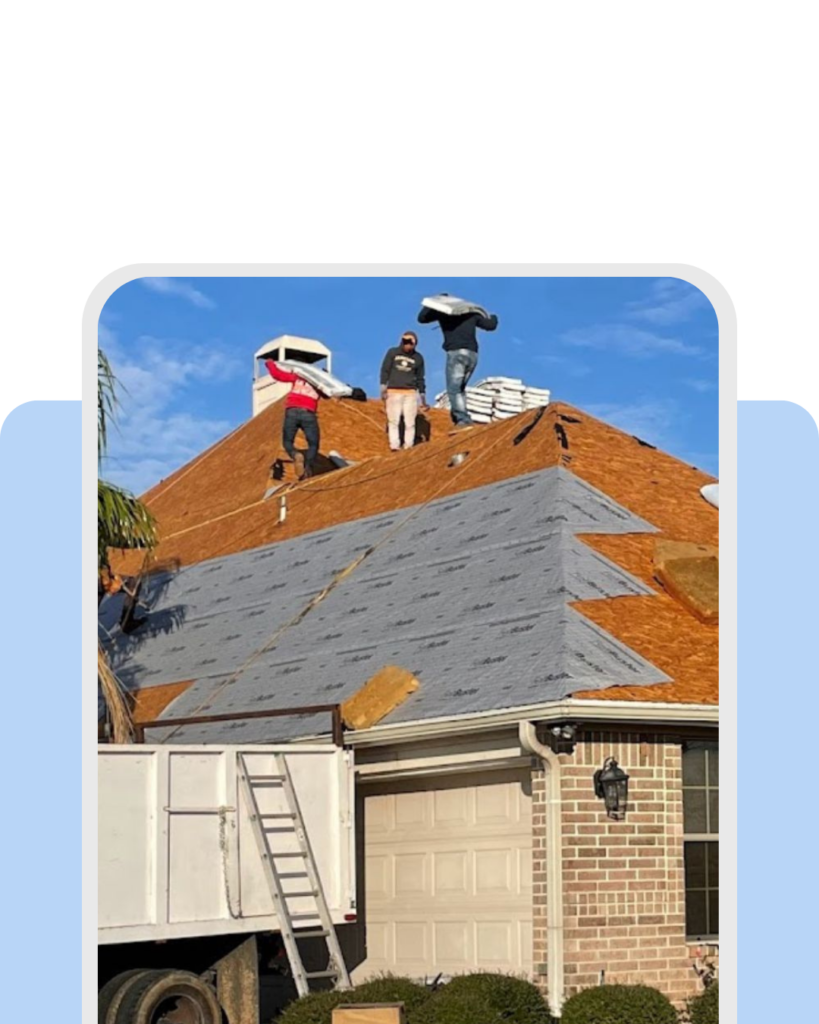
Clear gutters and downspouts, have loose flashing and lifted shingle tabs repaired instead of watched, and trim limbs hanging over the roof — FEMA’s preparedness guidance covers the rest of the household list. Photograph every slope and keep the dated images, and know who to call for emergency tarping before you need it.
Why does my roof only leak when rain comes in sideways?
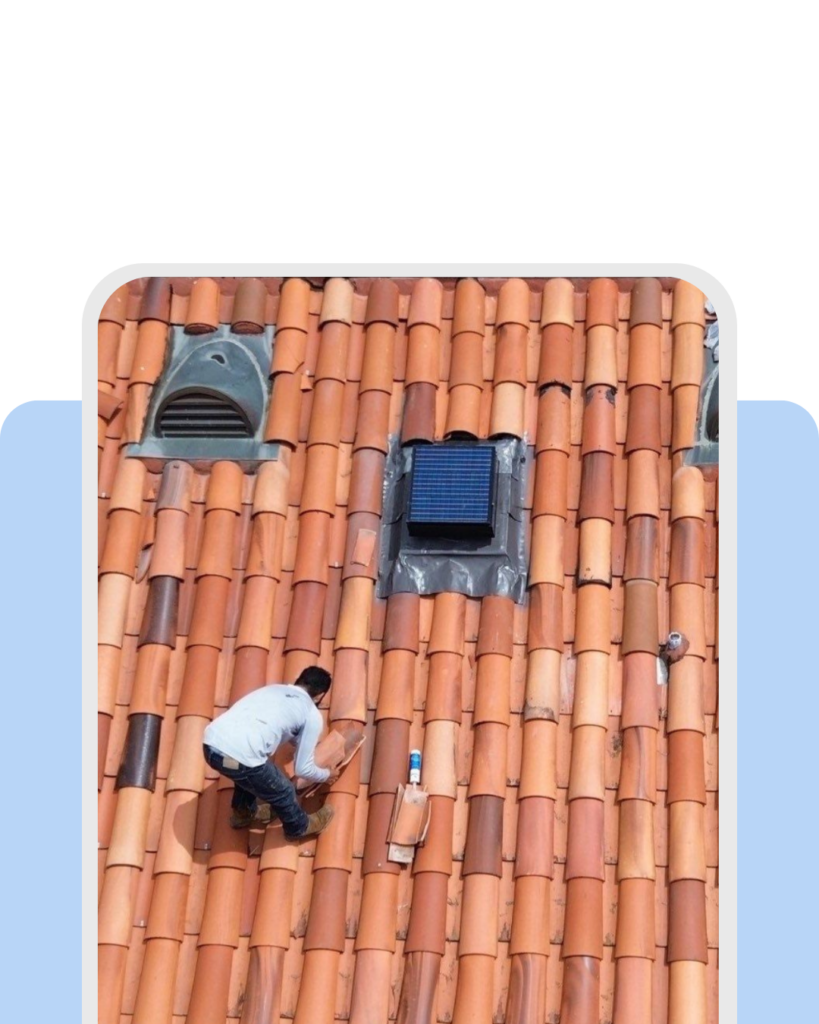
Shingles shed water travelling downhill, so wind-driven rain pushes under laps and into details that handle a vertical shower without any trouble, which is why the National Weather Service treats wind and water as one hazard. The entry point is nearly always a flashing joint, a hardened vent boot, or a valley, so a leak trace starts uphill of the stain.
Does attic ventilation matter with Baytown’s humidity?
Humid air trapped in an attic condenses on cooler framing and sheathing, rotting decking from beneath while the shingles above still look fine. Balanced intake at the soffits and exhaust near the ridge moves that moisture out, and ENERGY STAR explains the pairing that a maintenance visit checks.
Will a reflective roof lower cooling costs here?
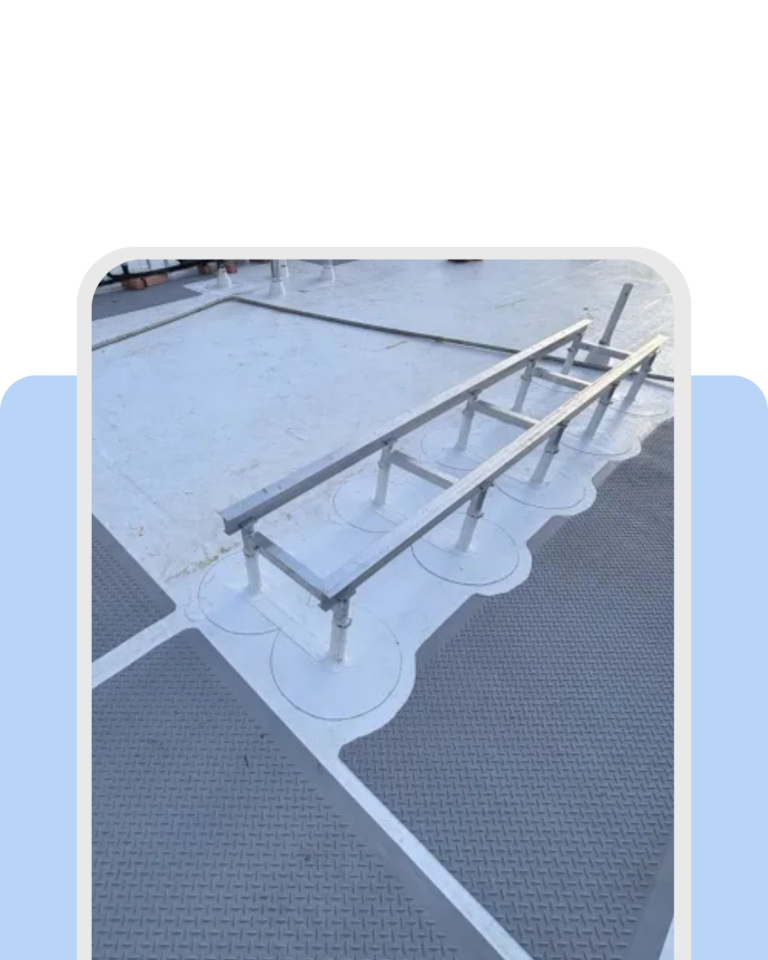
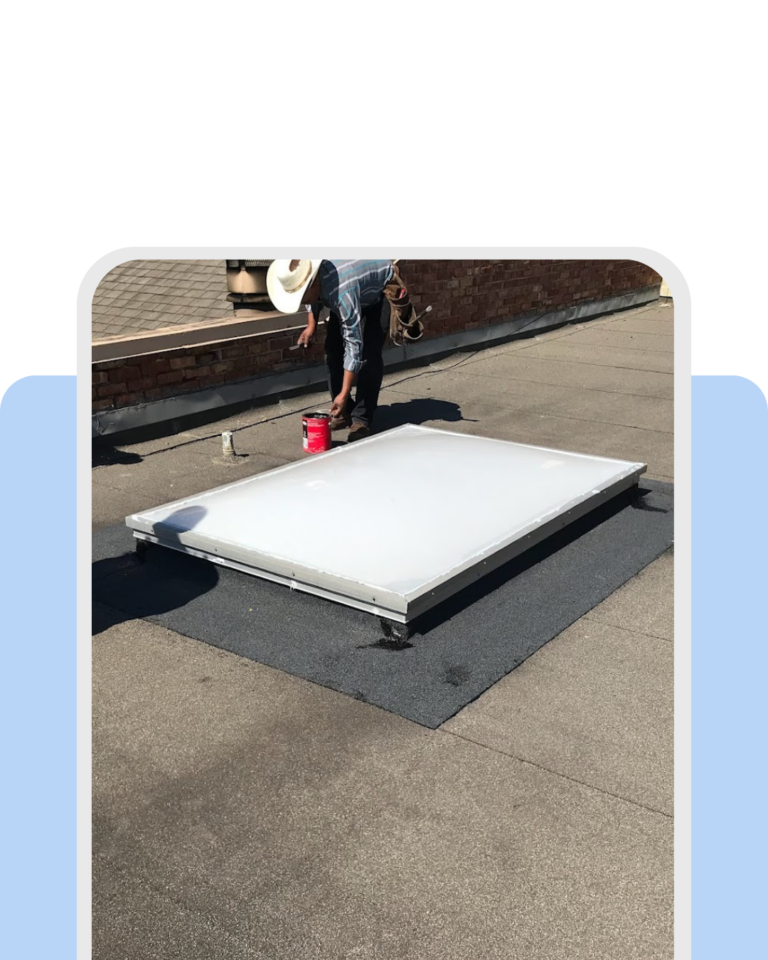
A reflective surface stays cooler in direct sun and pushes less heat into the space below, with the biggest gains on low-slope roofs sitting directly over conditioned space — an acrylic coating covers that area in one pass. On pitched roofs it still helps, though insulation and airflow usually contribute more; the Department of Energy explains how reflectance is measured.
Should storm damage go through insurance or be paid directly?
Compare the documented repair cost against the wind and hail deductible on your declarations page, which is often a percentage of dwelling coverage rather than a flat dollar amount. Damage confined to one slope is frequently simpler to pay directly, while damage across several slopes usually warrants a claim — have a storm damage assessment document the condition first.