
















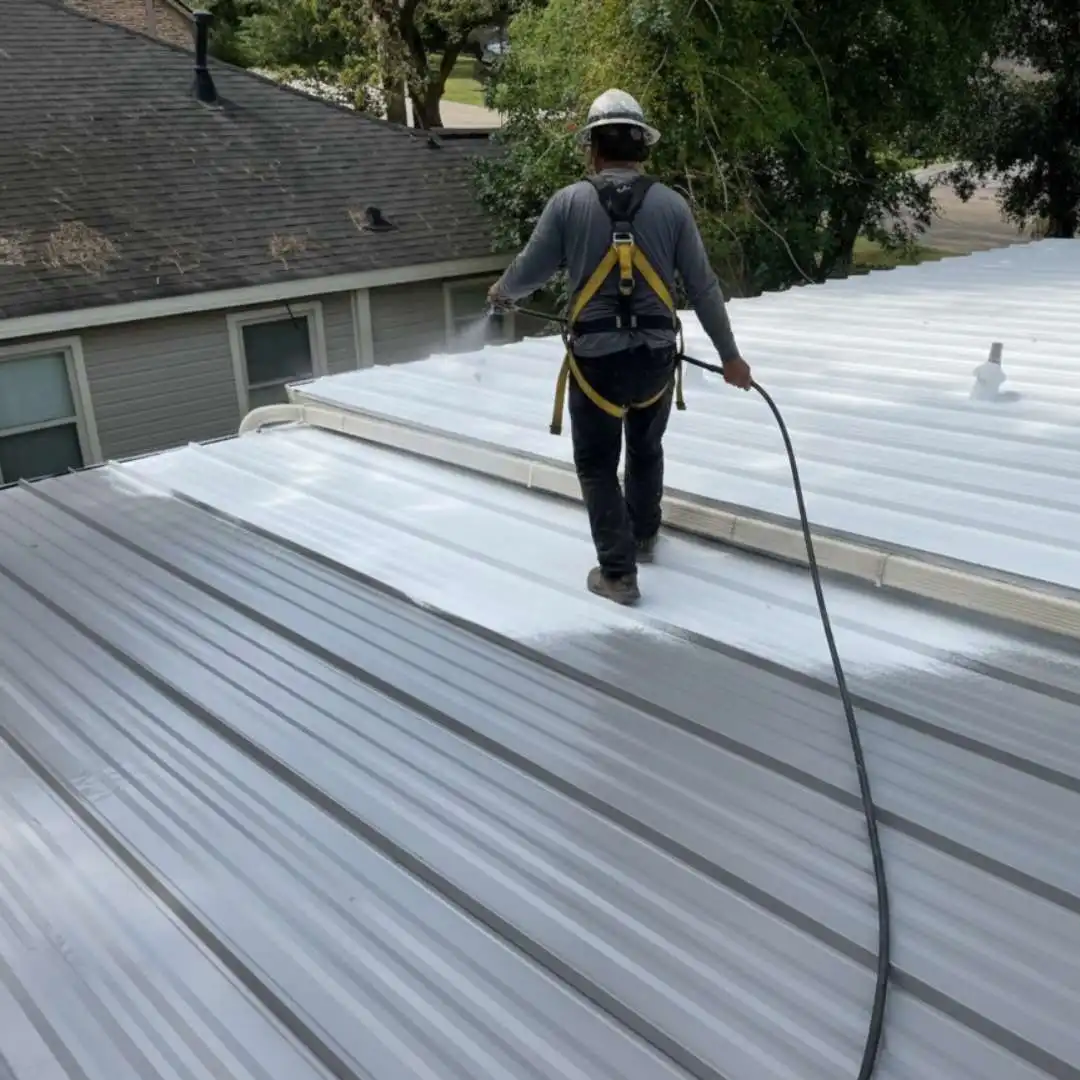
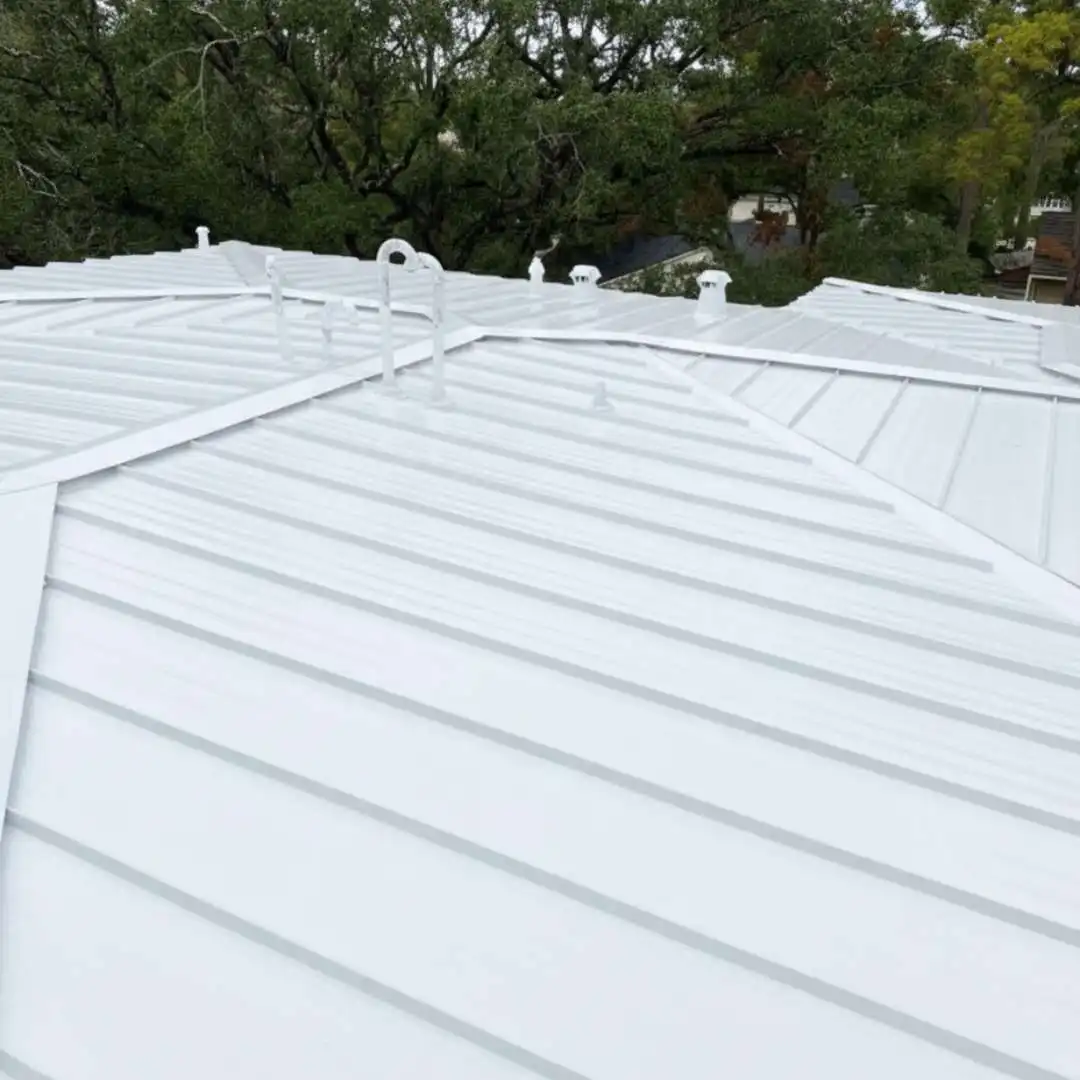
What is elastomeric roof coating, and how does it work?
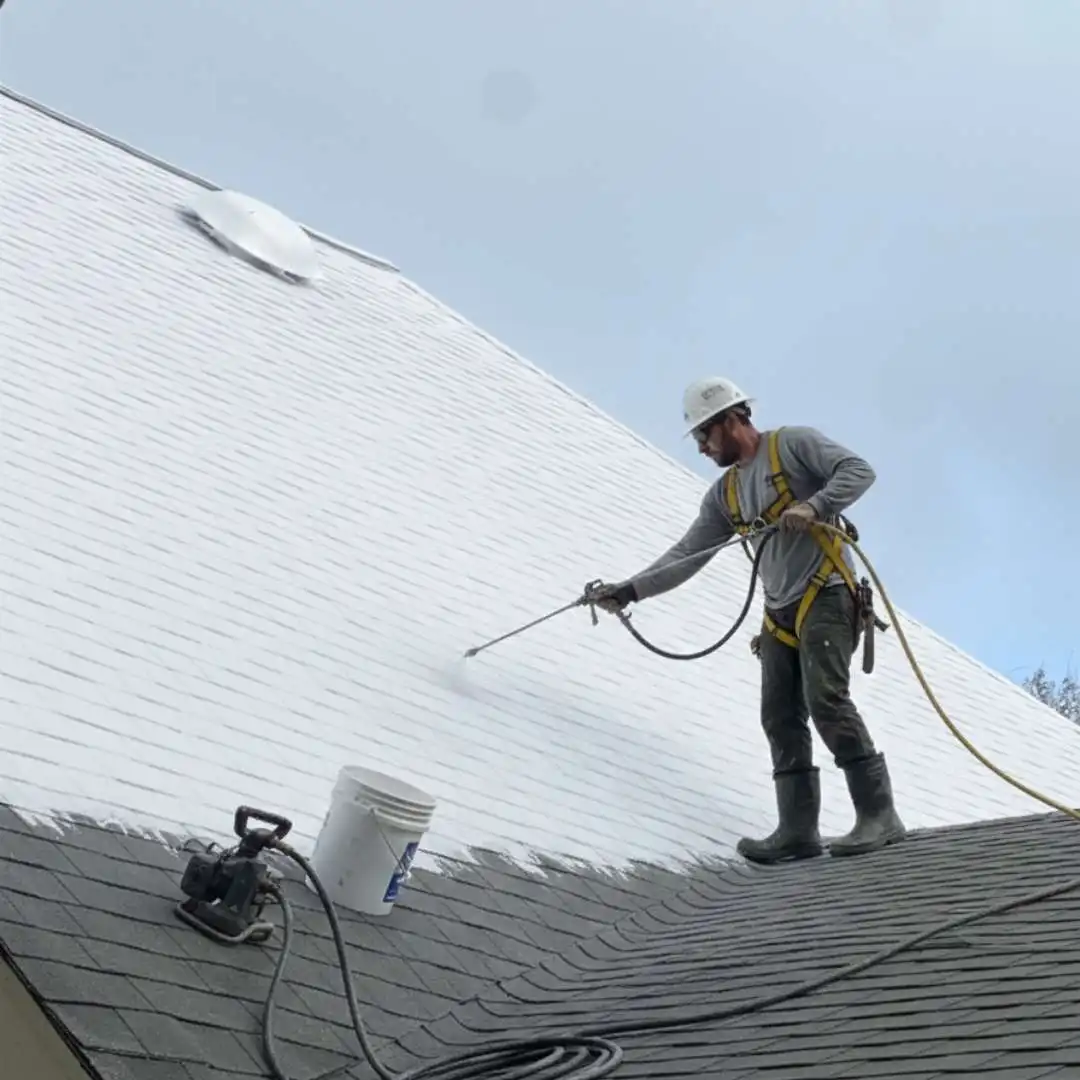
Elastomeric roof coating is a flexible, liquid-applied membrane — typically acrylic or silicone-based — that cures into a seamless, waterproof layer over an existing roof. It stretches and contracts with temperature changes without cracking, which matters in Houston where roof surfaces can swing more than 60°F between a summer night and midday sun.
How long does elastomeric roof coating last in Houston’s climate?
A correctly applied coating at proper mil thickness typically performs for 5–10 years before recoating is needed, though Houston’s UV intensity and frequent ponding can shorten that range on roofs with poor drainage. Coatings applied over a damaged substrate fail sooner, which is why a pre-coating moisture inspection matters.
Can elastomeric roof coating be applied over my existing flat roof?
In most cases, yes — elastomeric coating can be applied over sound TPO, EPDM, modified bitumen, or built-up roofing without a full roof replacement. The existing membrane must be dry, structurally sound, and free of trapped moisture, which we confirm during inspection before recommending coating over replacement.
Does elastomeric roof coating stop ponding water on a flat roof?
Coating seals and waterproofs the surface, but it does not correct poor drainage on its own. If your roof holds standing water more than 48 hours after a Houston rain event, we typically recommend tapered insulation or drain corrections alongside the coating so ponding doesn’t shorten the coating’s service life.
How much can elastomeric coating reduce my summer cooling costs?
Reflective elastomeric coatings lower roof surface temperature significantly compared to a dark, uncoated membrane, which reduces heat transfer into the building. The exact savings depend on building insulation, HVAC efficiency, and roof orientation.
What roof types can be coated with elastomeric roof coating?
Elastomeric coatings are commonly applied to flat and low-slope roofs including TPO, EPDM, modified bitumen, built-up roofing (BUR), spray polyurethane foam (SPF), and metal roofing. Steep-slope shingle roofs are generally not coated with this system; those are addressed through repair or replacement instead.
How thick should elastomeric coating be applied?
Manufacturer specifications typically call for a minimum dry film thickness measured in mils, applied across two or more coats. Applying too thin a layer is one of the most common reasons coatings fail early — a thin single-coat application will not deliver the waterproofing or warranty coverage a proper installation provides.
Will elastomeric roof coating hold up during Houston’s hurricane season?
A properly cured, fully bonded coating adds wind and water resistance to the underlying membrane, but it is not a substitute for structural roof repairs on a compromised deck. Before hurricane season, the NOAA hurricane preparedness resources recommend a professional roof inspection, which we can pair with your coating evaluation.
How is elastomeric coating different from acrylic roof coating?
Acrylic roof coating is one category within the broader elastomeric family, valued for reflectivity and cost. Silicone-based elastomeric coatings, by comparison, resist ponding water better and hold up longer in consistently wet conditions. We recommend the specific chemistry based on your roof’s drainage and exposure, not a one-size-fits-all product.
What surface preparation is required before coating a roof?
Preparation includes pressure washing to remove dirt and chalking, repairing any open seams or punctures, allowing the surface to fully dry, and priming where the manufacturer requires it. Skipping preparation is the leading cause of adhesion failure and premature peeling on coated roofs.
How often does a coated roof need maintenance or recoating?
We recommend a visual inspection at least once a year and after any major storm, checking for thinning at seams, ponding areas, and penetrations. Most elastomeric systems need a maintenance recoat within 5–10 years depending on UV exposure and drainage, which extends the life of the underlying roof membrane.
Can elastomeric roof coating repair an active leak, or is it only preventive?
Coating can seal minor surface cracks and pinholes as part of a full application, but it is not a targeted leak repair for a structural or deck-level problem. If you have an active interior leak, we diagnose and repair the source first, then apply coating as a long-term protective layer.