

















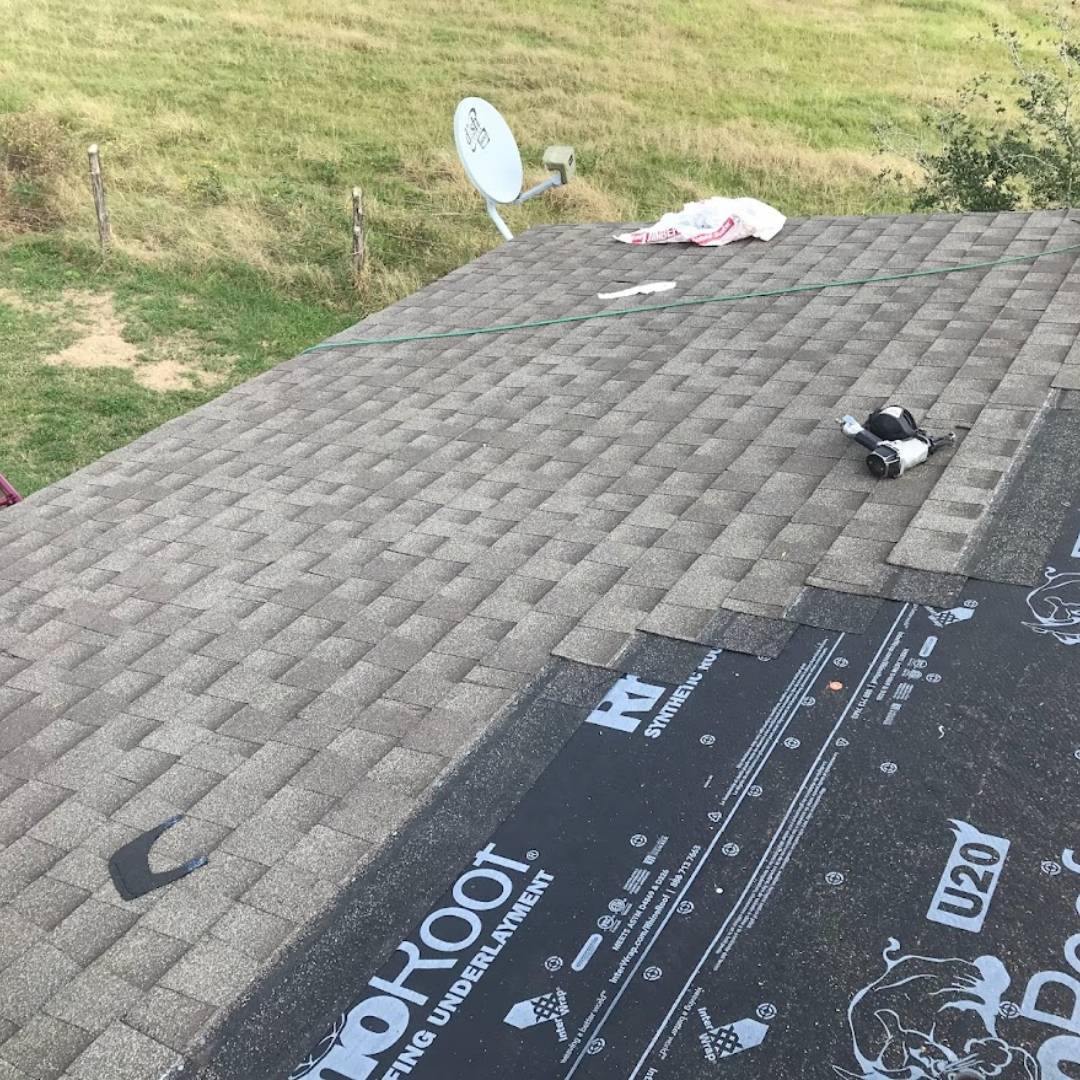
How do I know if my roof has hail damage?
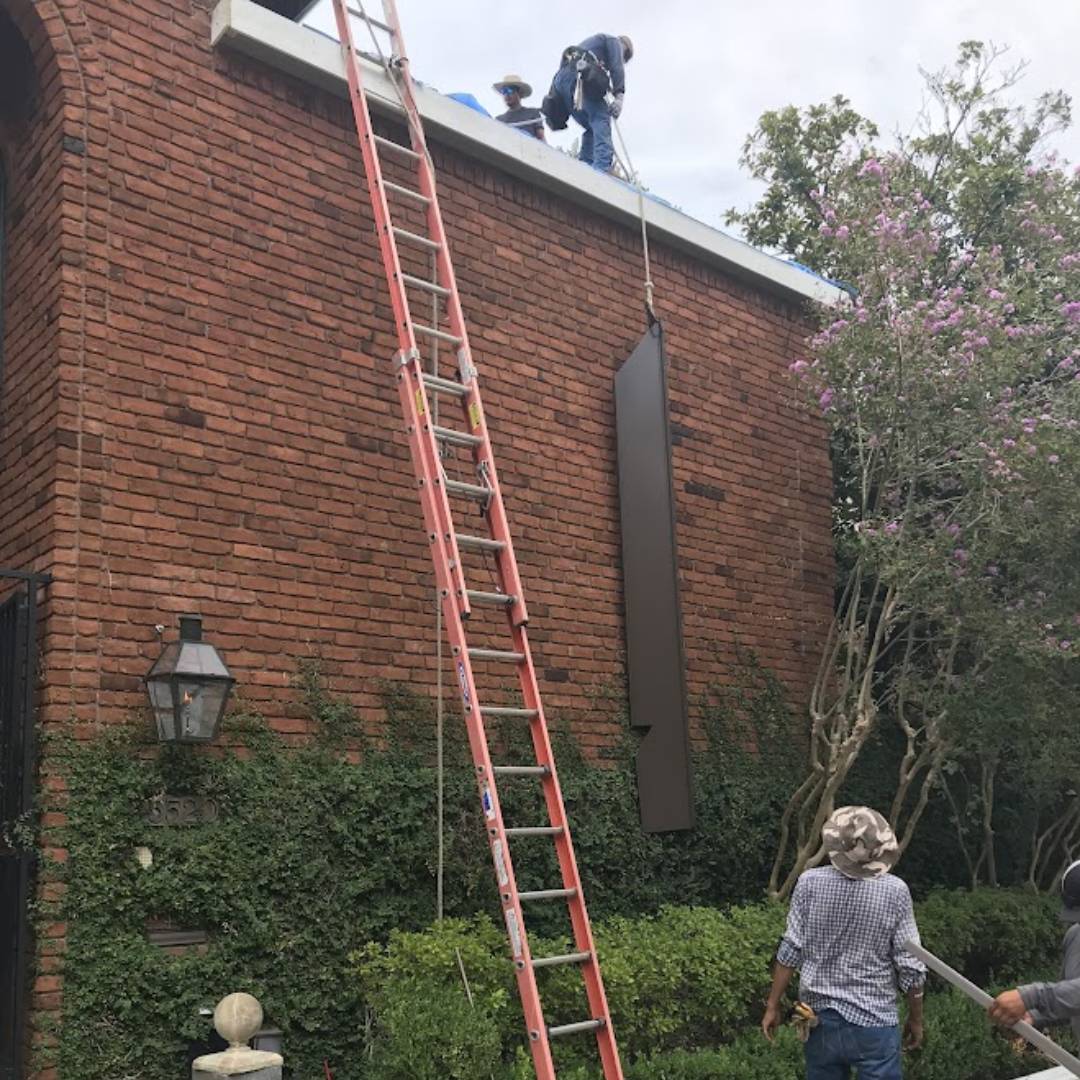
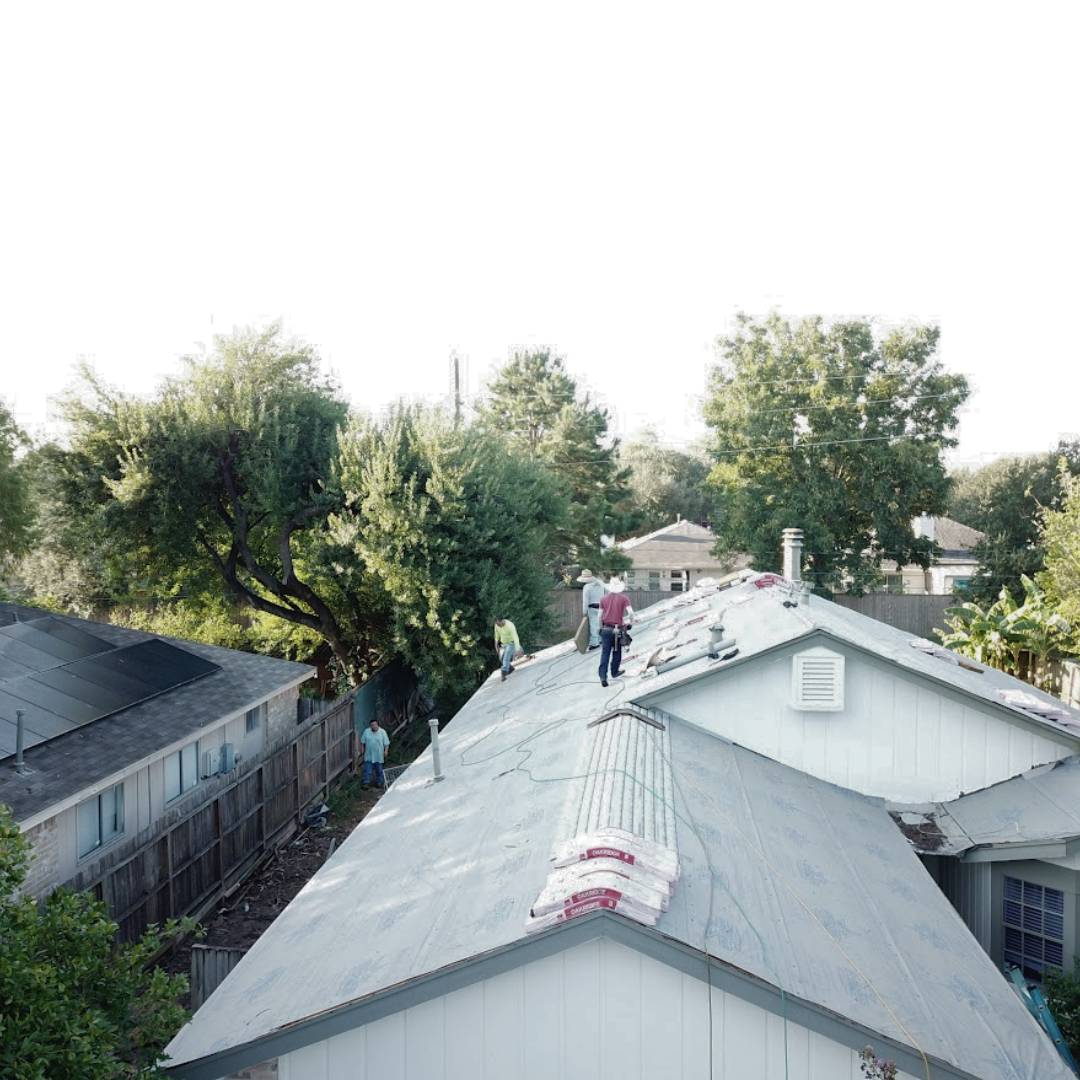
Look for circular bruising on shingles, loose granules collecting in gutters and downspouts, and dents on soft metal like roof vents or your outdoor AC unit’s fins. Hail bruising is often invisible from the ground, so a ladder or drone inspection after any hailstorm is the only reliable way to confirm if you need a hail damage roof repair.
How soon after a hailstorm should I get my roof inspected?
Schedule an inspection within days of the storm. Houston’s UV exposure and humidity accelerate shingle wear, which makes fresh hail bruising harder to distinguish from ordinary aging the longer it sits unaddressed. Achilles offers free inspections after confirmed hail activity in your area.
Will my insurance cover hail damage roof repair?
Most Texas homeowner policies cover hail damage as a named peril, minus your deductible. Coverage depends on your specific policy and the documented hit count on your roof. We provide photo documentation and a written inspection report your adjuster can use to evaluate the claim.
What size hail causes roof damage?
Hail roughly 1 inch in diameter (quarter-sized) or larger is generally the threshold where asphalt shingle bruising becomes likely, though impact speed and shingle age also matter. Historical hail event size and location data for the Houston area is tracked by NOAA’s Storm Events Database.
Can hail damage be repaired, or does it always require full replacement?
It depends on the hit count and distribution. Isolated impacts on one or two slopes are often eligible for a targeted repair. Widespread bruising across all slopes, especially on a roof already past 15 years old, usually points toward full replacement rather than patching.
Do you offer free hail damage inspections?
Yes. Achilles provides free hail damage inspections across Houston, The Woodlands, and Cypress, including photo documentation of every impact point and a written report you can share with your insurance adjuster.
How long does a hail damage insurance claim take to process?
Timelines vary by carrier, but most Texas claims move faster when the initial inspection report includes photo evidence and a documented hit count per test square. We provide that documentation at the time of inspection to avoid delays caused by incomplete initial reports.
What is a “test square” and why do adjusters ask for one?
A test square is a marked 10-foot-by-10-foot section of roof where every hail hit is counted and photographed. Adjusters use the hits-per-square count from multiple test squares across different slopes to determine whether damage is isolated or widespread enough to justify replacement.
Does hail damage always show up immediately?
No. Bruised shingle mat can look intact at first but lose its ability to shed water over the following months, leading to a leak that appears well after the storm. This is why a professional inspection matters even when there’s no visible hole or active leak right after a hailstorm.
What happens if my insurance company denies my hail damage claim?
You can request a re-inspection or hire an independent adjuster to review the denial. Achilles is not a public adjuster and does not negotiate claims on your behalf, but our documented inspection report can support a reconsideration request if new evidence is needed.
Can hail damage my gutters and AC unit, not just my roof?
Yes. Dented gutters, downspouts, and outdoor AC condenser fins are common alongside roof damage and are often the easiest visible evidence a homeowner can check from the ground before scheduling a full roof inspection.