TL;DR:
A 100-year clay tile roof is the ultimate once-in-a-lifetime investment for Houston homeowners. Combining Mediterranean elegance with extreme durability, it outlasts asphalt by decades, standing strong against 150+ mph winds and intense Texas heat.
Centennial Lifespan: While shingles fail after 20 years, clay tile roofing can last 50 to 100 years with minimal maintenance.
Energy Efficiency: The natural thermal mass and above-sheathing ventilation of clay tiles significantly lower attic temperatures and cooling costs.
Extreme Protection: Clay is naturally fireproof (Class A rating) and resists rot, insects, and salt spray.
Clay vs. Concrete: Clay is lighter, more moisture-resistant, and features kiln-fired colors that never fade, unlike painted concrete.
Weight & Structure: Due to its weight, clay tile roofing requires a professional structural assessment and specialized high-temp underlayment to ensure the system’s integrity.
When it comes to high-end home protection and architectural elegance, a 100-year clay tile roof remains the gold standard. In a city like Houston, where the humidity, salt air, and relentless sun can punish standard roofing materials, the natural resilience of clay offers an unparalleled blend of luxury and durability.
At Achilles Roofing, we specialize in the meticulous art of installing clay tile roofing systems that don’t just protect your home. They elevate it to a landmark status. In this guide, we’ll explore why clay is the ultimate choice for Texas homeowners and how it compares to other options on the market.
Why Choose Clay Tile Roofing for Your Houston Home?
The decision to invest in 100-Year Clay Tile Roofing often comes down to one word: longevity. While asphalt shingles are a popular short-term solution, clay is a multi-generational investment.
1. The 100-Year Life Cycle
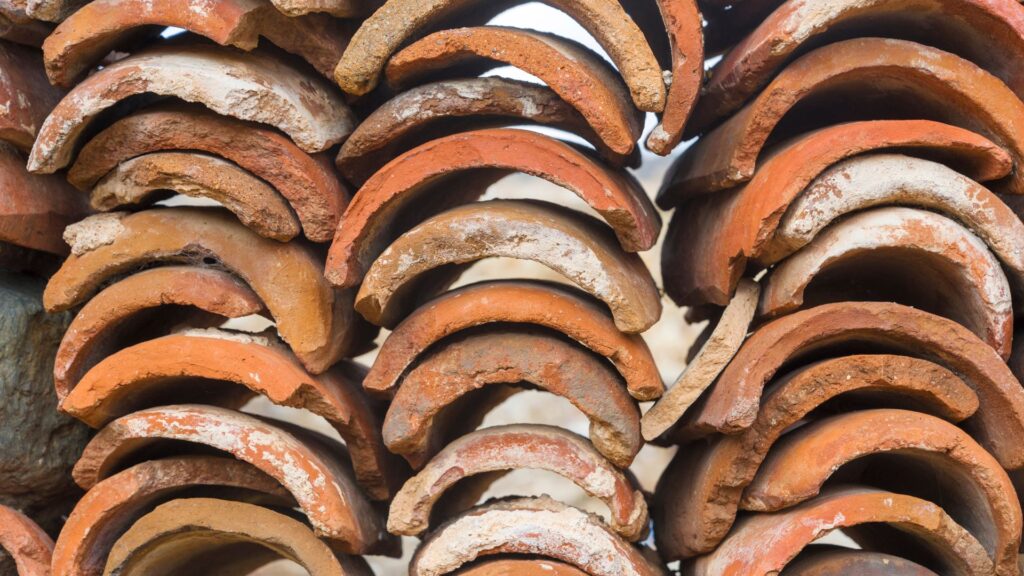
How long does a clay tile roofing system actually last? Most manufacturers and roofing experts agree that with proper maintenance, these tiles can last between 50 and 100 years. In many European and Mediterranean cities, you can find clay tiles that have protected structures for centuries.
For the Houston homeowner, investing in a 100-year clay tile roof means it is likely the last roof you will ever need to buy. When you calculate the cost per year of a roof that lasts 75 years versus a shingle roof that needs replacement every 15–20 years due to storm damage, clay often emerges as the more economical long-term choice.
2. Superior Thermal Performance and Energy Savings
Texas summers are brutal, with attic temperatures often soaring past 150°F. A 100-year clay tile roof acts as a natural insulator. The unique shape of the tiles, whether you choose Spanish S-tiles, barrel tiles, or Mission style, creates a pocket of air between the tile and the roof deck.
This thermal break prevents heat from radiating directly into your home’s structure. By allowing air to circulate naturally, a 100-year clay tile roof significantly reduces the load on your HVAC system, leading to a noticeable reduction in monthly cooling costs.
3. Unmatched Weather Resistance and Fire Safety
Houston is no stranger to severe storms, tropical depressions, and high-wind events. A modern 100-year clay tile roof is engineered to withstand winds exceeding 150 mph when installed correctly.
Furthermore, clay is a non-combustible material. With a Class A fire rating, clay tiles provide a level of protection against external fire hazards that synthetic or petroleum-based materials cannot match. For homeowners in wooded areas or densely populated neighborhoods, this added layer of security is invaluable.
Clay vs. Concrete: Understanding the Material Science
Many homeowners confuse 100-Year Clay Tile Roofing with concrete alternatives. While both fall under the tile roof category, the differences in material science are significant:
-
Color Fastness: Because clay is a natural earth material fired in a kiln at high temperatures, the color is permanent. It is baked in, meaning it won’t peel or fade. Concrete tiles are often surface-dyed or tinted and can lose their vibrancy significantly over 10–15 years.
-
Weight Factors: Clay is generally lighter than concrete (though still heavy compared to shingles). This makes it slightly easier on the home’s structure while offering better density for moisture resistance.
-
Moisture Absorption: Clay has a much lower water absorption rate than concrete. In the humid Gulf Coast region, this is critical. Lower absorption means the tiles are less prone to algae, moss, and mildew growth that can plague porous concrete surfaces.
The Technical Reality: Weight and Structural Integrity
Before committing to a 100-year clay tile roof, it is essential to ensure your home’s structure can support the load. Clay tiles are substantial, typically weighing between 600 and 1,000 lbs per square (a 100-square-foot area).
At Achilles Roofing, our specialized clay tile roofing service includes a rigorous technical assessment:
-
Structural Assessment: We verify that your rafters, trusses, and load-bearing walls are rated for the weight. If a home was previously shingled, it may require minor structural reinforcement.
-
High-Temp Underlayment: Since the tiles themselves can last a century, the weak point is often the underlayment. We use premium, high-temperature synthetic underlayments designed to resist the extreme Texas heat, ensuring the waterproofing layer lasts as long as the tiles.
-
Precision Flashing: We utilize heavy-duty lead, copper, or stainless steel flashing at all roof penetrations. Using cheap flashing on a 100-year roof is a recipe for disaster. We match the quality of the components to the quality of the tile.
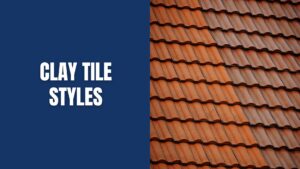
The Aesthetic Diversity of Clay Tile Roofing
One of the greatest misconceptions about 100-Year Clay Tile Roofing is that it is only suitable for Mediterranean or Spanish-style homes. Modern manufacturing allows for a stunning array of profiles and finishes:
-
Mission/Barrel Style: The classic semi-cylindrical look that provides deep shadows and high architectural interest.
-
French/Flat Tile: A lower profile that offers a sleek, sophisticated look, perfect for modern or transitional home designs.
-
Interlocking Tiles: These provide a tighter seal and a more uniform appearance, often used in contemporary architecture.
-
Textured Finishes: Some clay tiles are designed to mimic the look of wood shakes or slate, giving you the aesthetic of natural wood with the fire-proof benefits of clay.
Maintenance: Protecting Your Investment
While a 100-year clay tile roof is incredibly durable, it is not zero-maintenance. To ensure it reaches that centennial milestone, a few key steps are necessary:
-
Annual Inspections: Debris can sometimes get trapped in the valleys or behind chimneys, causing water to back up.
-
Avoid Walking on Tiles: Clay is strong but brittle under focused weight. Only trained professionals like the team at Achilles Roofing should walk on your tiles to avoid cracking.
-
Gutter Cleaning: Ensuring water sheds quickly off the roof and away from the foundation is essential for any heavy roofing system.
Why Professional Installation Matters
A 100-Year Clay Tile Roofing system is a complex mechanical assembly. If one tile is misaligned or the flashing is improperly lapped, the entire system can fail. This is why choosing a certified contractor is paramount.
As a GAF-certified contractor, Achilles Roofing brings a level of expertise to the table that ensures your warranty remains valid and your home remains dry. We understand the nuances of the Houston climate, from the expansion and contraction caused by temperature swings to the specific wind-uplift requirements of the Texas Windstorm Insurance Association (TWIA).
Is Clay Tile Roofing Worth the Investment?
The initial cost of a 100-year clay tile roof is undeniably higher than that of asphalt or metal. However, when you factor in the return on investment (ROI), the numbers tell a different story:
-
Increased Resale Value: Home appraisers often value tile-roofed homes significantly higher because the roof replacement cost is removed from the buyer’s future concerns.
-
Insurance Savings: Many insurance providers offer discounts for Class A fire-rated and impact-resistant roofing materials.
-
Sustainability: Clay is a natural, earth-mined material. Unlike asphalt shingles, which contribute millions of tons to landfills annually, clay tiles are 100% recyclable and eco-friendly.
Trust the Experts at Achilles Roofing
Installing a 100-year clay tile roof requires a level of craftsmanship that standard roofing crews often lack. From managing the weight to ensuring perfect alignment across complex roof planes, the details matter.
At Achilles Roofing, we pride ourselves on transparency, integrity, and elite craftsmanship. We don’t just want to be your roofer for today; we want to provide the roof that protects your family for generations.
Are you ready to see if clay tile roofing is the right fit for your home?
Fill out our contact form or call us today to schedule your professional clay tile estimate.
Achilles Roofing: Protecting Houston’s homes with integrity, one tile at a time.