

Industrial Strength · Seamless Waterproofing
Time-Tested Resilience. Multi-Ply Protection for Houston Facilities.
Most Houston commercial flat roofs that keep leaking after repeated patching have developed interply voids — invisible moisture pockets between bitumen layers that spread laterally before surfacing as interior stains. Achilles Roofing & Exterior has installed hot mop BUR systems across Houston, Katy, and Sugar Land since 2017. Led by Ahmad Faiz (18 years, nationwide storm and commercial experience), with commercial replacement starting at $20,000 and a 5-year workmanship warranty. Free quote: (832) 888-1666.
The Real Problem
The Gold Standard of Commercial
Durability — When Installed Correctly.
Hot Mop roofing — formally known as Built-Up Roofing (BUR) — is the oldest and most battle-tested flat roofing system in commercial construction. The concept is straightforward: alternate layers of refined asphalt (bitumen) and reinforcing felt are mopped onto the deck while the bitumen is still molten, creating a thick, monolithic membrane that no single-ply system can replicate.
In Houston’s commercial building stock — particularly the industrial and retail facilities built between the 1970s and 1990s across the Energy Corridor, Katy’s warehouse districts, and the I-10 commercial corridors — BUR remains the dominant existing system. When these roofs begin leaking, the failure is rarely at the surface membrane. The failure is in the interply bitumen layers, where decades of Houston’s thermal cycling (170°F+ surface temperatures daily in summer, then rapid cool-down overnight) have created a network of delaminated voids that trap moisture invisible from above.
At Achilles Roofing & Exterior, we begin every commercial BUR assessment by probing the deck for interply saturation — not just inspecting the gravel flood coat — before recommending repair or full replacement. Edwardo Cano, our lead foreman with 12 years and approximately 5,000 Houston roofing projects, leads every BUR installation from the deck up, not over existing compromised layers.

Key Benefits of Hot Mop Roofing Systems
- Leak-Proof: Multiple layers of redundant protection.
- Seamless: Fuses into one solid, monolithic mass.
- Tough: Withstands heavy traffic and maintenance.
- Fire-Safe: Naturally resistant to fire spread.
- Puncture-Proof: The thickest commercial roof option.









Commercial Hot Mop Roofing in Greater Houston — What's Different Here
Houston’s commercial buildings face roofing conditions that most national BUR guides don’t fully address. The city’s low-latitude sun angle means UV radiation strikes flat surfaces at a steeper incidence angle than in northern markets, accelerating gravel flood coat erosion and bitumen oxidation. Houston’s 50+ inches of annual rainfall — often concentrated in 4–6 inch events during tropical weather systems — creates ponding conditions that test even properly drained BUR systems. Achilles Roofing has served commercial clients across Houston, Katy, Sugar Land, Cypress, Spring, and Pearland since 2017. All commercial BUR installations are permitted through Harris County or the appropriate municipal building department before any hot kettle work begins.
Why Patching Keeps Failing
Six BUR Failure Patterns We Diagnose Every Month
Houston's daily 50–80°F roof temperature swing stresses the bitumen adhesive between felt layers every single day. Over 10–15 years, microscopic interply separations compound into void networks. These voids fill with trapped moisture during Houston's heavy rain events and create the blistering and bubbling that property managers often attribute to drain problems rather than subsurface membrane failure.
Water entering a BUR system at one point doesn't leak straight down. It travels along the path of least resistance within the interply voids — often 20–40 feet from the actual breach point. This is why a property manager sees new ceiling stains every rainy season in different locations, even after patching the previously wet spots. The source is never where the interior damage appears.
Houston's tropical storm events — particularly the sustained 40–60 mph winds from Gulf Coast systems — strip gravel from the flood coat of aging BUR systems. The exposed dark bitumen beneath then absorbs UV radiation at an accelerated rate, oxidizing and cracking within 2–3 additional summers. Most building managers don't inspect for gravel loss until interior leaks appear.
The base sheet — the first layer bonded to the deck — is most vulnerable at parapet wall terminations and HVAC curbs, where thermal expansion and contraction concentrates stress at corners. When base sheet adhesion fails at these transitions, moisture bypasses all subsequent layers immediately and creates the most common complaint: "leaks around the HVAC unit."
Houston's humidity and the biological load in standing water create algae and root growth at interior drains and low-point accumulation zones on BUR roofs. Biological growth physically lifts the gravel flood coat and accelerates bitumen degradation — a failure mode that develops silently over 3–5 years before creating interior leaks.
If a Houston commercial roof deck retains moisture at the time of hot mop application — from previous leaks, overnight dew, or recent rainfall — the 400°F+ bitumen causes rapid vapor expansion beneath the newly applied layer. The resulting blisters appear within the first summer after installation and are a direct result of skipped or rushed substrate drying during installation.
Hot Mop System Components
Multi-Layered Security for Your Property.
The first barrier anchors the multi-ply system to the deck. In Houston commercial applications, we use fiberglass-reinforced base sheets that resist the moisture vapor transmission common in Gulf Coast building assemblies — preventing the base-level delamination that starts most BUR failures.
Refined asphalt heated to 400–425°F in an on-site kettle, then mopped between felt layers while still molten. The hot application creates a molecular bond between layers that no cold-applied adhesive can replicate — critical for Houston's thermal cycling environment.
High-tensile fiberglass mats that provide the system's inner strength and redundancy. Each interply layer adds independent waterproofing capacity — if one layer is compromised by Houston hail or foot traffic, the underlying layers continue to provide protection.
Repeated alternating layers of asphalt and felt build the "sandwich" effect — typically 3–4 interply applications for Houston commercial buildings, with 4-ply specified for high-traffic roofs or those in Katy industrial facilities with regular rooftop equipment service.
A final pour of hot asphalt topped with aggregate gravel provides UV protection, hail resistance, and ballast. The gravel layer is critical in Houston's spring hail season — BUR with a proper flood coat consistently outperforms single-ply systems in hail impact resistance tests.
Heavy-gauge steel flashings secure the roof at parapet walls, drains, HVAC curbs, and perimeter edges. All edge metal is mechanically fastened and sealed — preventing the edge-lift wind failures that account for a disproportionate share of Houston commercial roof insurance claims after tropical weather events.
Our Proven Installation Process
Stress-Free Hot Mop Installation Process
Our methodology focuses on temperature precision and substrate integrity — not speed. Every step is sequenced to prevent the specific failure modes most common on Houston commercial flat roofs, particularly steam blistering and interply delamination at transition points.
Patricia Contreras schedules your on-site assessment. Ahmad Faiz or one of our roofing consultants uses a mechanical probe to test for interply saturation and core-sample the existing BUR assembly — not just a visual inspection of the gravel surface. Wet or delaminated sections are mapped so you know exactly what you're paying for before any quote is issued.
Ahmad Faiz · Patricia Contreras
Edwardo Cano's crew removes all existing failed material down to the structural deck. The deck surface is mechanically swept and allowed to dry completely — ambient humidity is checked before any hot material is applied. This step prevents the steam blistering failure common on Houston roofs where previous contractors rushed the substrate-dry phase to meet a deadline.
Edwardo Cano · Lead Foreman
A fiberglass-reinforced base sheet is mechanically fastened to the deck, lapped at seams per manufacturer spec, and heat-welded at all vertical transitions — parapet walls, HVAC curbs, drain sumps. The base sheet perimeter is fully adhered before any interply application begins, eliminating the base-level delamination failure that starts most BUR system breakdowns.
Edwardo Cano · Installation Crew
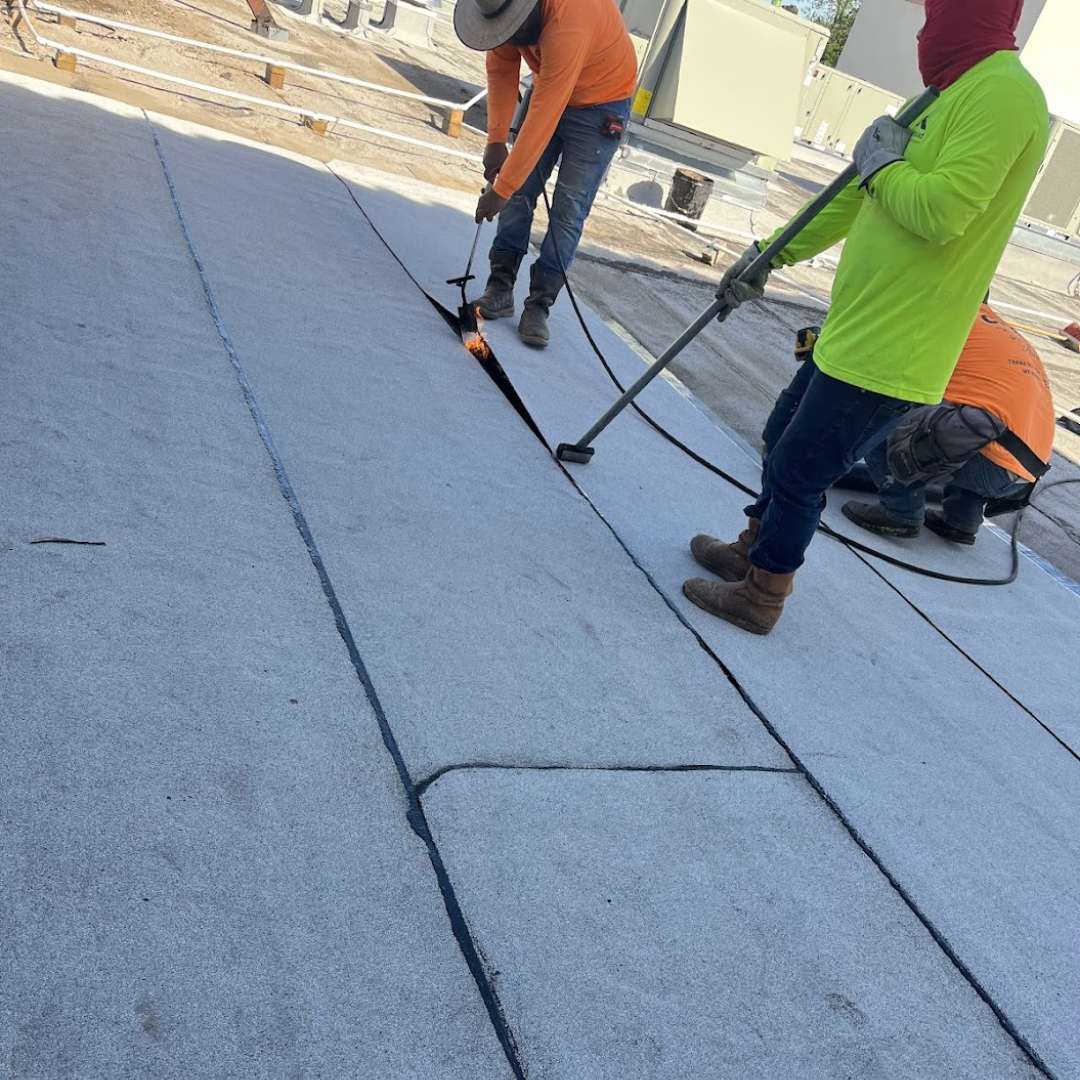
Hot bitumen is heated to 400–425°F in our on-site kettle and mopped onto the base sheet immediately. Edwardo's crew works in controlled pour-and-mop sequences — monitoring both kettle temperature and ambient humidity throughout — to ensure full molecular bonding between each interply felt layer. In Houston's summer heat, we adjust crew pace and pour distance to compensate for accelerated bitumen cooling at the mop head. Standard 3-ply for commercial; 4-ply for high-traffic or equipment-intensive roofs.
Edwardo Cano · Temperature Monitored
A final pour of hot bitumen is broadcast with aggregate gravel to create the flood coat — providing UV protection, hail resistance, and ballast in Houston wind events. After the flood coat cures, all field seams and terminations are physically probed. Edge metal is inspected for proper seal. Permit inspection is requested before we demobilize. Your 5-year workmanship warranty is issued only after the final probe passes.
Final Inspection · 5-Yr Warranty Issued
Field Observations
What 8 Years of Houston BUR Work Teaches You
These are patterns we observe repeatedly on Houston commercial properties — not general contractor wisdom borrowed from industry guides.
Bitumen viscosity changes measurably between 8 AM and 2 PM in Houston summers
In July and August, Houston’s air temperature climbs from 78°F at dawn to 97°F+ by early afternoon, and roof surface temperature rises from 90°F to 170°F+. Bitumen mopped at 8 AM on a cool surface has a significantly longer working window before it sets than bitumen mopped at noon on a 160°F deck. Experienced BUR crews account for this by starting pours early and reducing the mop-to-felt rolling interval as the day heats up. Crews that don’t adjust lose adhesion quality across the afternoon plies — and the problem doesn’t show up until the roof has been through two or three thermal seasons.
Weather Operational
Houston property managers underestimate how far interior leaks travel from their source
We conduct core samples on commercial BUR systems where building managers have reported a single, localized interior leak. In most cases, the existing interply moisture zone is 3–6 times larger than the visible interior stain area. Property managers — and many contractors — assess damage by standing water and ceiling staining. The real damage boundary is determined by probing and core sampling the interply layers, which typically reveal that twice the square footage assumed requires replacement. Underestimating this leads to partial replacements that fail adjacent to the new material within the first Houston rainy season.
Homeowner Behavior
Gravel flood coat on Houston BUR systems loses 30–40% of aggregate in major wind events
A properly ballasted BUR system requires approximately 400 lb of aggregate per square (100 sq ft) to provide rated wind uplift resistance and UV protection. After a Category 1 or 2 wind event — or a severe convective storm with 60+ mph gusts — Houston BUR roofs in exposed locations routinely lose a significant portion of this ballast. The exposed dark bitumen then oxidizes and cracks within 2–3 summer seasons. The fix is straightforward: annual inspection and targeted aggregate replacement at wind-exposed perimeter zones costs a fraction of the membrane replacement it eventually prevents.
Houston’s drain restriction causes ponding that accelerates BUR aging by 40–60%
The Texas Roofing Manual considers 48-hour ponding after rainfall a trigger for mandatory drainage assessment. On Houston commercial buildings — where interior drains accumulate debris from rooftop HVAC service and biological growth from high humidity — chronic restriction is common. Ponding water creates hydrostatic pressure at drain collar terminations, accelerates biological growth that physically lifts the flood coat, and creates the freeze-thaw analog: in Houston, the thermal cycling of water warming and cooling throughout the day stresses the BUR system at every contact point. Clear drains add more life to a BUR roof than any coating or patch material available.
Drainage / Flood Risk
Why Achilles Roofing
Why Houston Facility Owners Choose Achilles for BUR
Core Sample Before Every Commercial Quote
We probe and core-sample existing BUR assemblies before issuing a replacement quote. If 40% of your roof is structurally sound, we’ll quote a targeted repair — not a full tear-off. Honesty about scope is why repeat clients call us first.
No unnecessary replacements — documented on every quote
Kettle Temperature Monitoring Throughout Every Pour
Bitumen poured below 390°F doesn’t bond properly. Above 430°F, it fumes excessively and can compromise felt reinforcement. Edwardo Cano’s crew monitors kettle temperature at every pour — not a one-time check at setup. This process is the difference between a BUR system that lasts 25 years and one that delaminated at the interplies in year 5.
Edwardo Cano · 12 yrs · ~5,000 Houston projects
5-Year Workmanship Warranty — Double Industry Standard
Most Houston commercial roofers offer 1–2 years on labor. Achilles provides 5 years on every BUR installation. If a seam opens or a termination fails within that window, we return at no charge. No negotiation, no billable service call.
Commercial BUR Experience in Houston Since 2017
Founded by Ahmad Faiz after 18 years of nationwide storm restoration. Not a franchise, not a storm chaser — a Houston-based team that understands the specific aging patterns of Greater Houston’s 1970s-1990s commercial building stock. RCAT Member #208834. GAF Certified Plus.
Est. 2017 · RCAT #208834 · GAF Certified Plus · BBB A+
Transparent Pricing From $20,000
Commercial BUR replacement starts at $20,000. Written, itemized quote before any hot kettle work begins — no hidden mobilization fees, no change orders for “discovered” deck damage that should have been in the original scope. GreenSky commercial financing available.
GreenSky financing · Senior, military & veteran discounts
5.0 Stars · Named by Customers · Neighborhood Faves 2024 & 2025
Customers consistently name Ahmad Faiz by name in reviews — a trust signal no marketing copy can manufacture. BBB A+ accredited. Thumbtack Top Pro. Yelp 5.0. Neighborhood Faves award winner two consecutive years.
Ahmad Faiz named in Google reviews · BBB A+ · Neighborhood Faves
Why Houston Homeowners Choose Achilles
Real People. Real Credentials.
Ahmad Faiz
Project Manager & Roofing Consultant
18 years in roofing, beginning with nationwide storm restoration — hail, wind, tornado recovery — before settling in Houston to build a community-focused commercial operation. Ahmad personally leads commercial assessments, conducts core sample evaluations on BUR systems, and oversees the warranty process on every job. Named by customers in Google reviews as the reason they return. Background in boxing and fitness — the same precision applies to every pour sequence.
18 YRS · RCAT #208834 · GAF CERTIFIED PLUS · MULE-HIDE AUTHORIZED
Edwardo Cano
Lead Foreman — Flat Roofing & Shingle Systems
12 years of on-site roofing experience, specializing in both flat commercial BUR systems and residential shingle work. Originally from Guatemala, Edwardo has completed approximately 5,000 roofing projects across Greater Houston — including hot mop BUR installations on Katy industrial facilities and Sugar Land commercial buildings. He leads all kettle operations, interply sequencing, and final seam probing on Achilles commercial jobs.
12 YRS · ~5,000 PROJECTS · KETTLE-CERTIFIED · HOUSTON-WIDE
Patricia Contreras
Roofing Manager — Consultations & Project Coordination
Patricia is the first person most clients speak with. She oversees customer consultations, manages commercial project scheduling, and coordinates the logistics of kettle placement and permit applications before any field crew mobilizes. With 1.5 years in roofing and sales, she ensures every commercial client has a single point of contact from initial quote through warranty issuance.
CONSULTATIONS · PROJECT COORDINATION · PERMIT MGMT
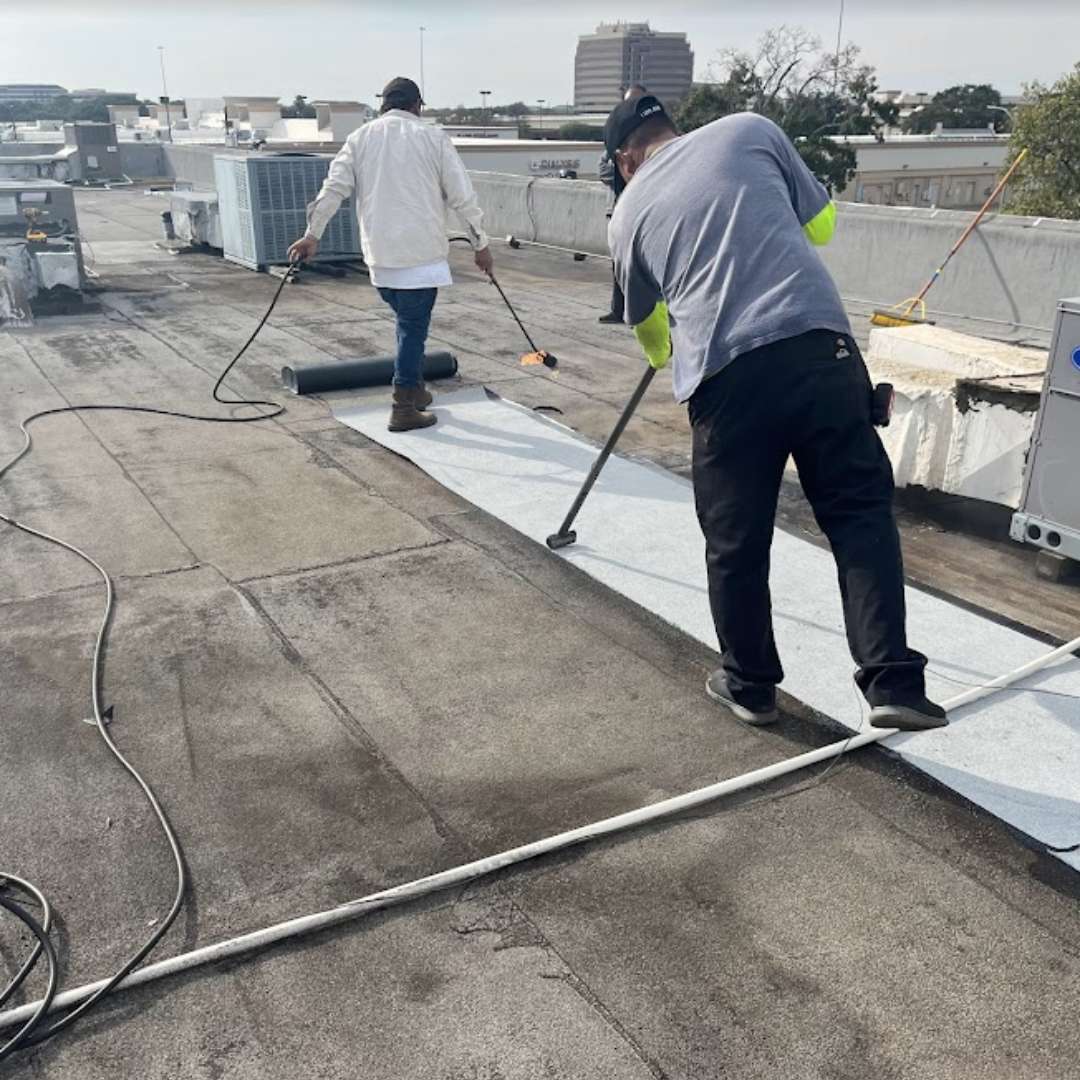
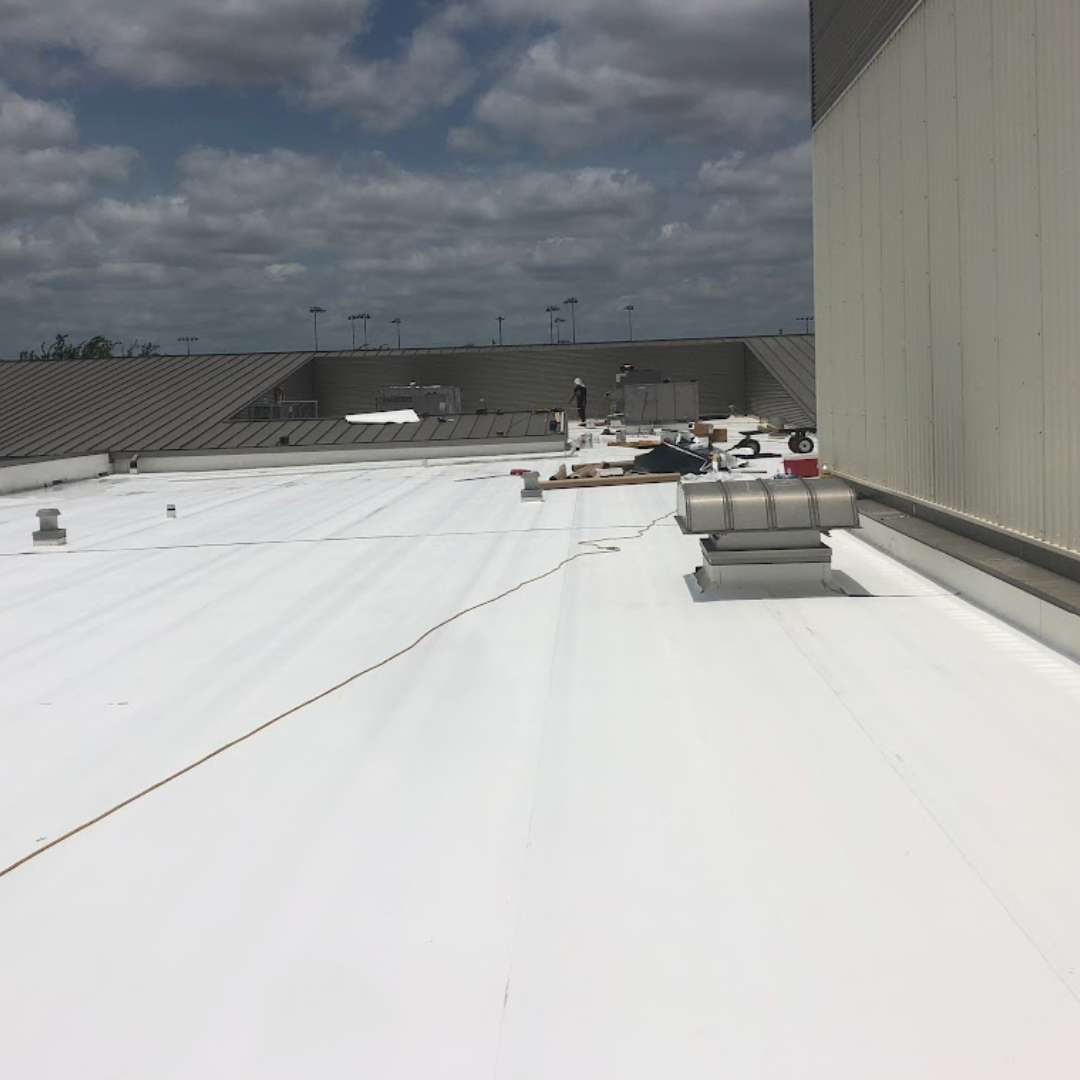
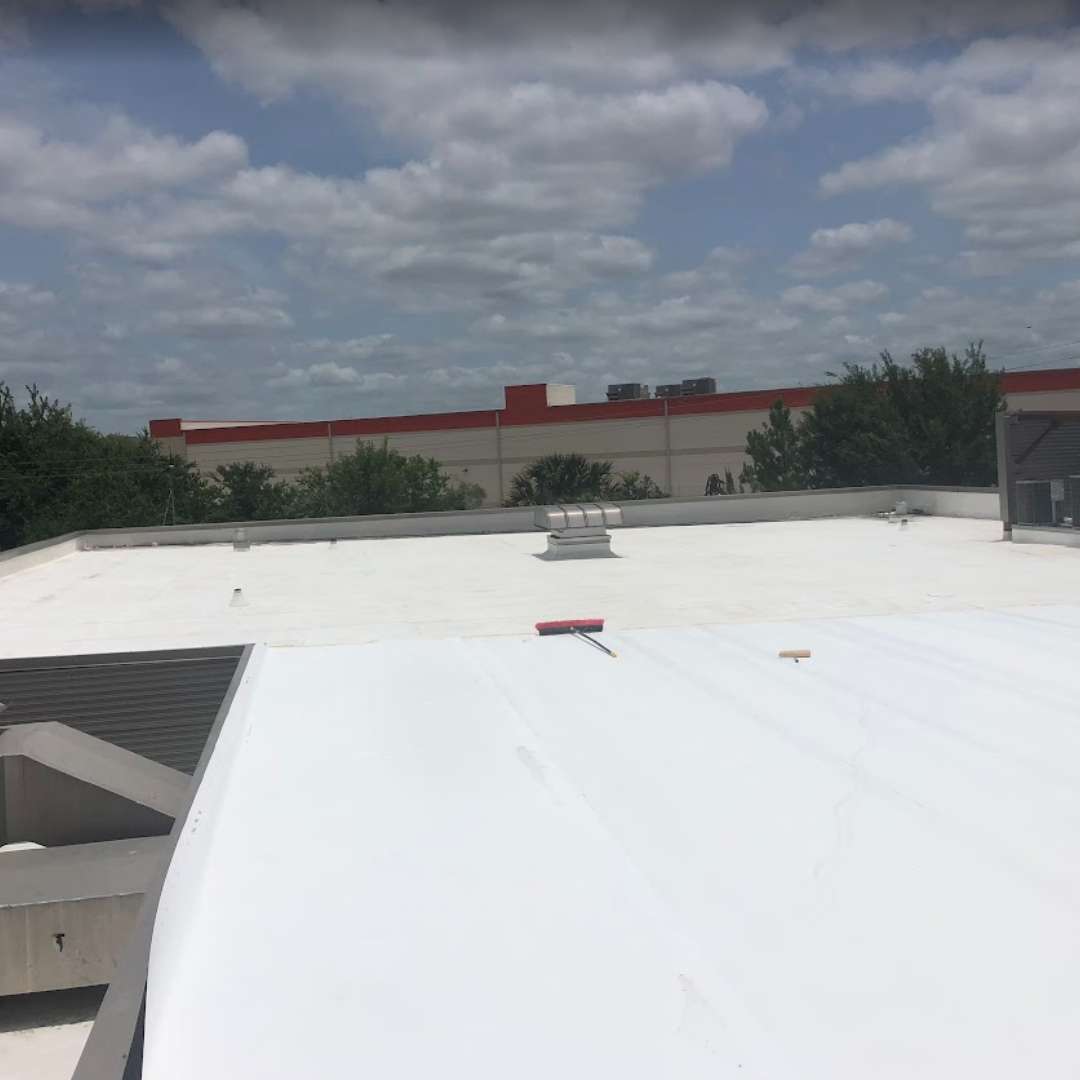
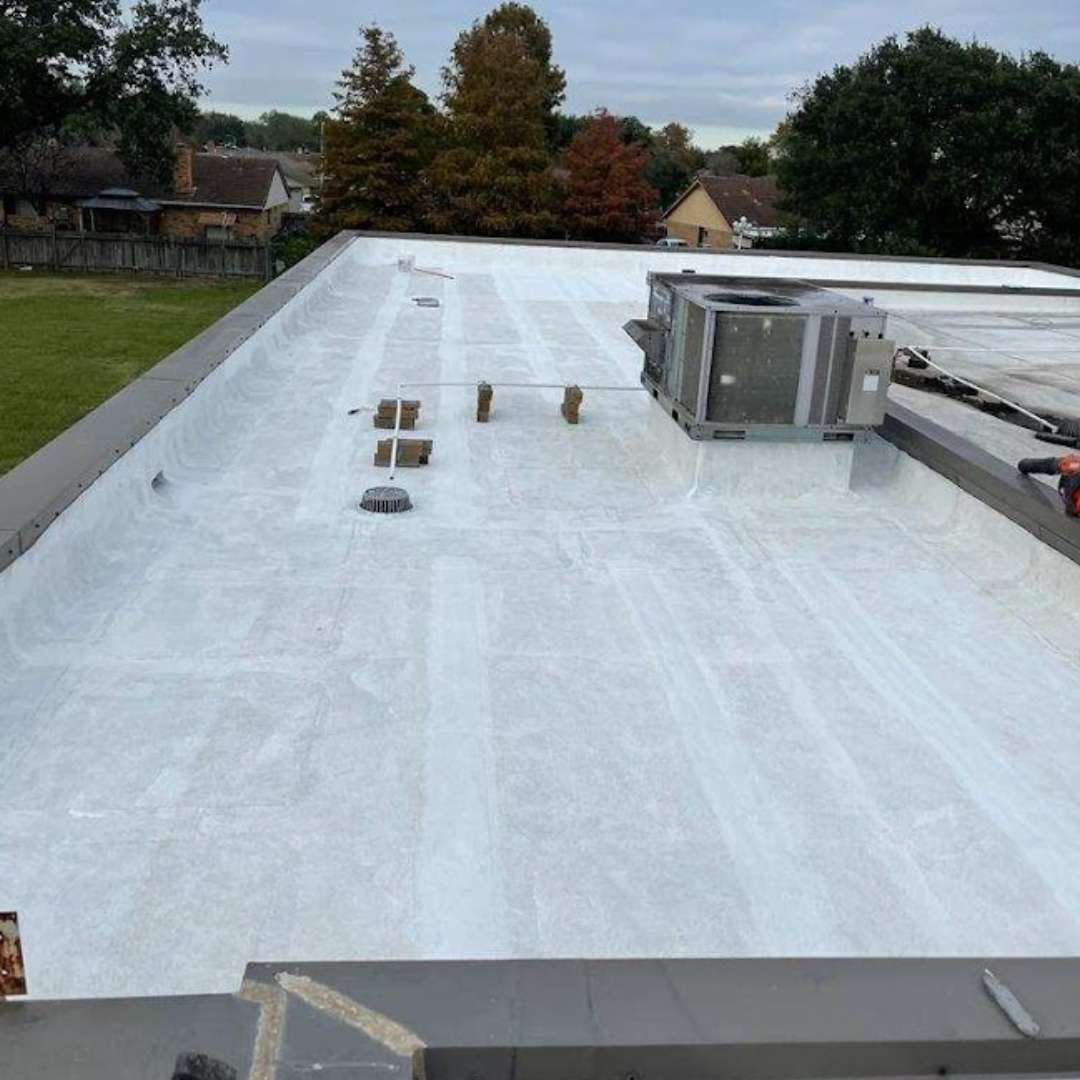
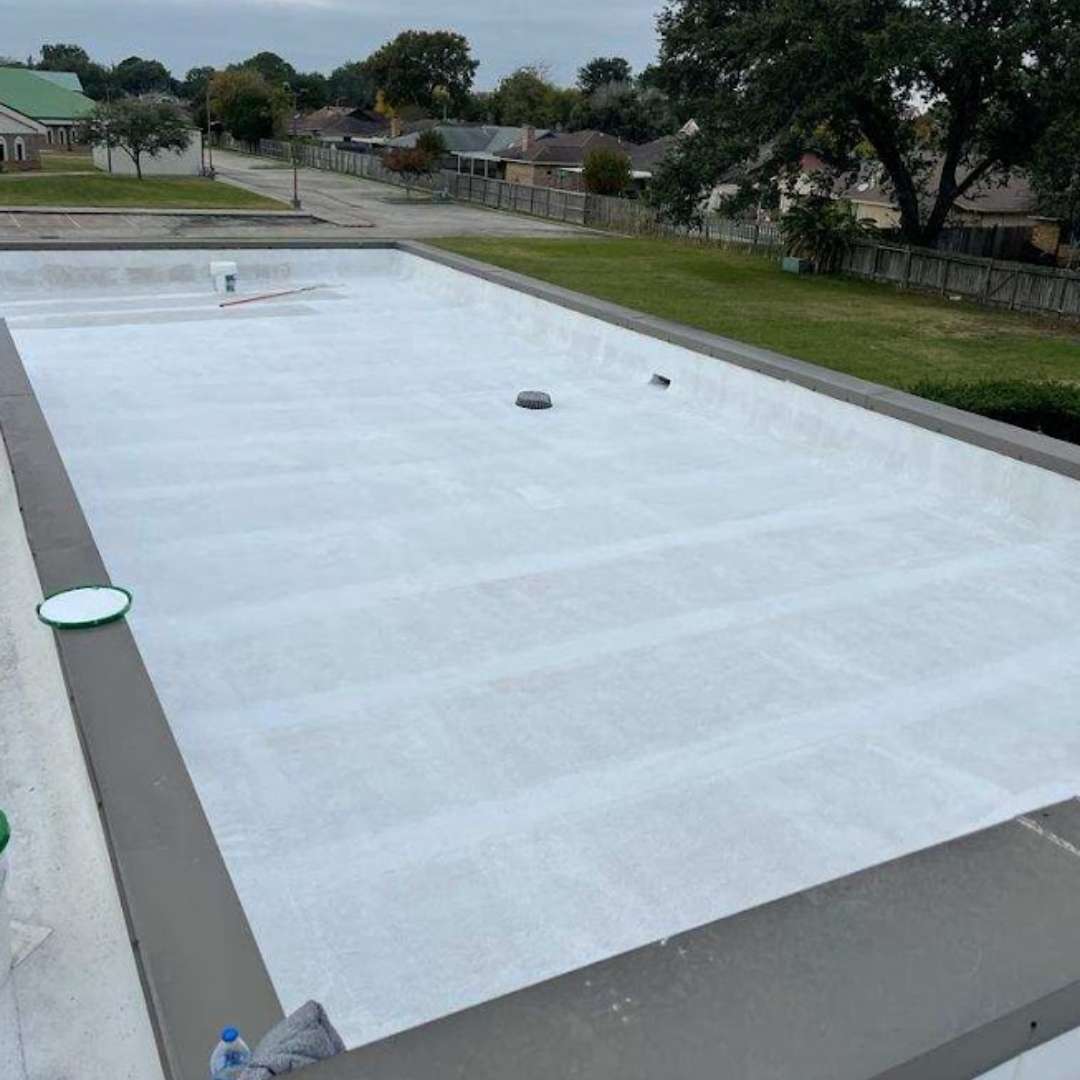
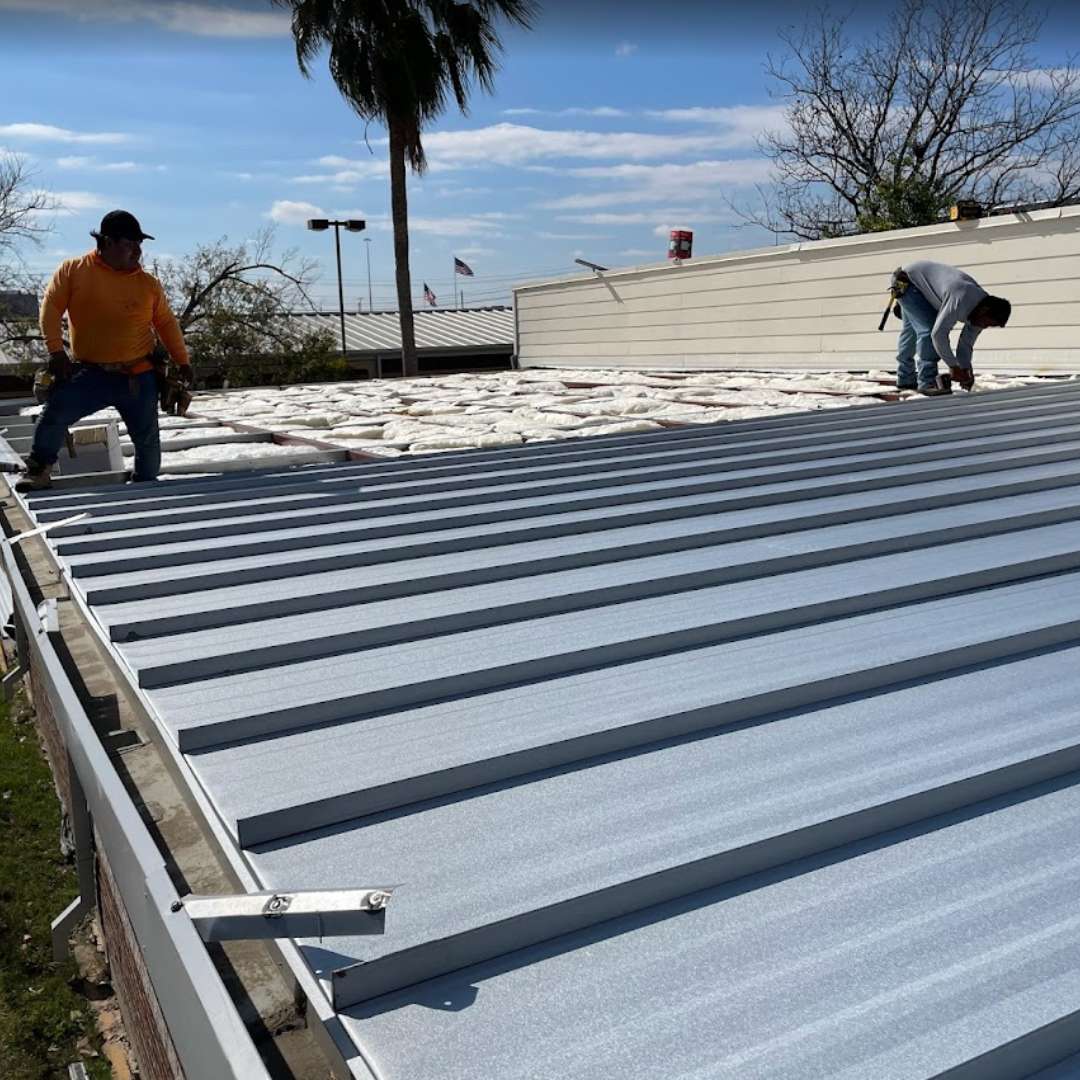
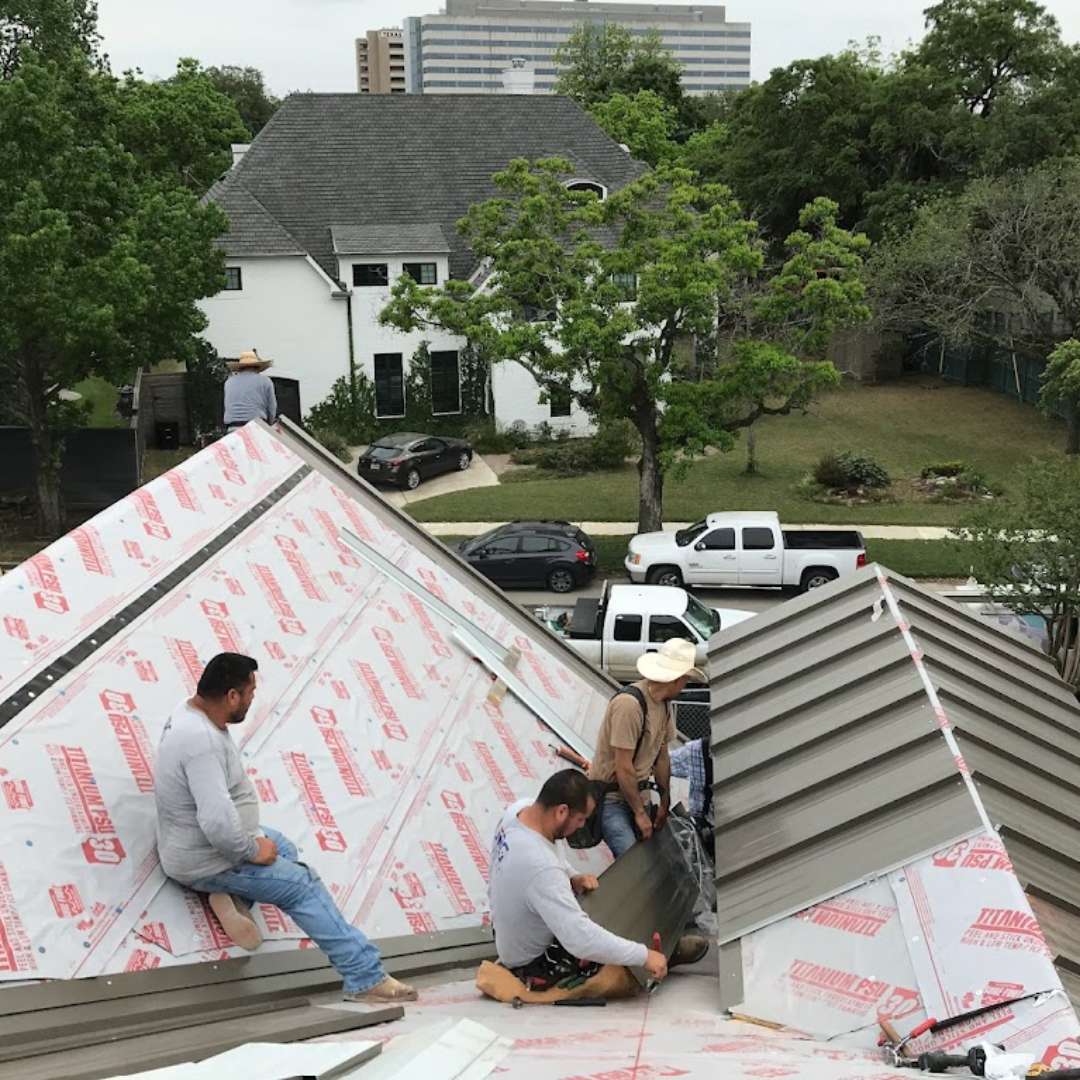
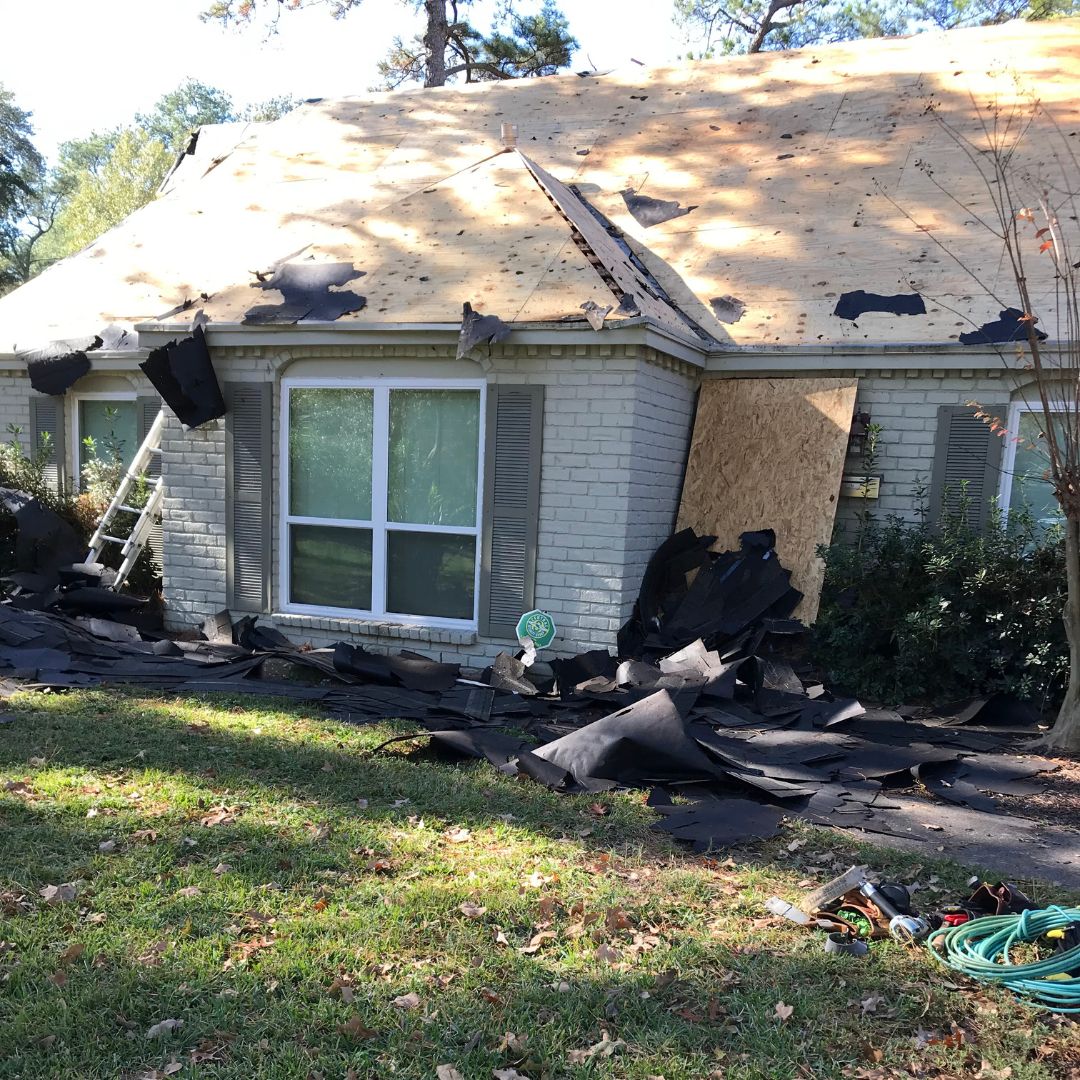
See Our Work:
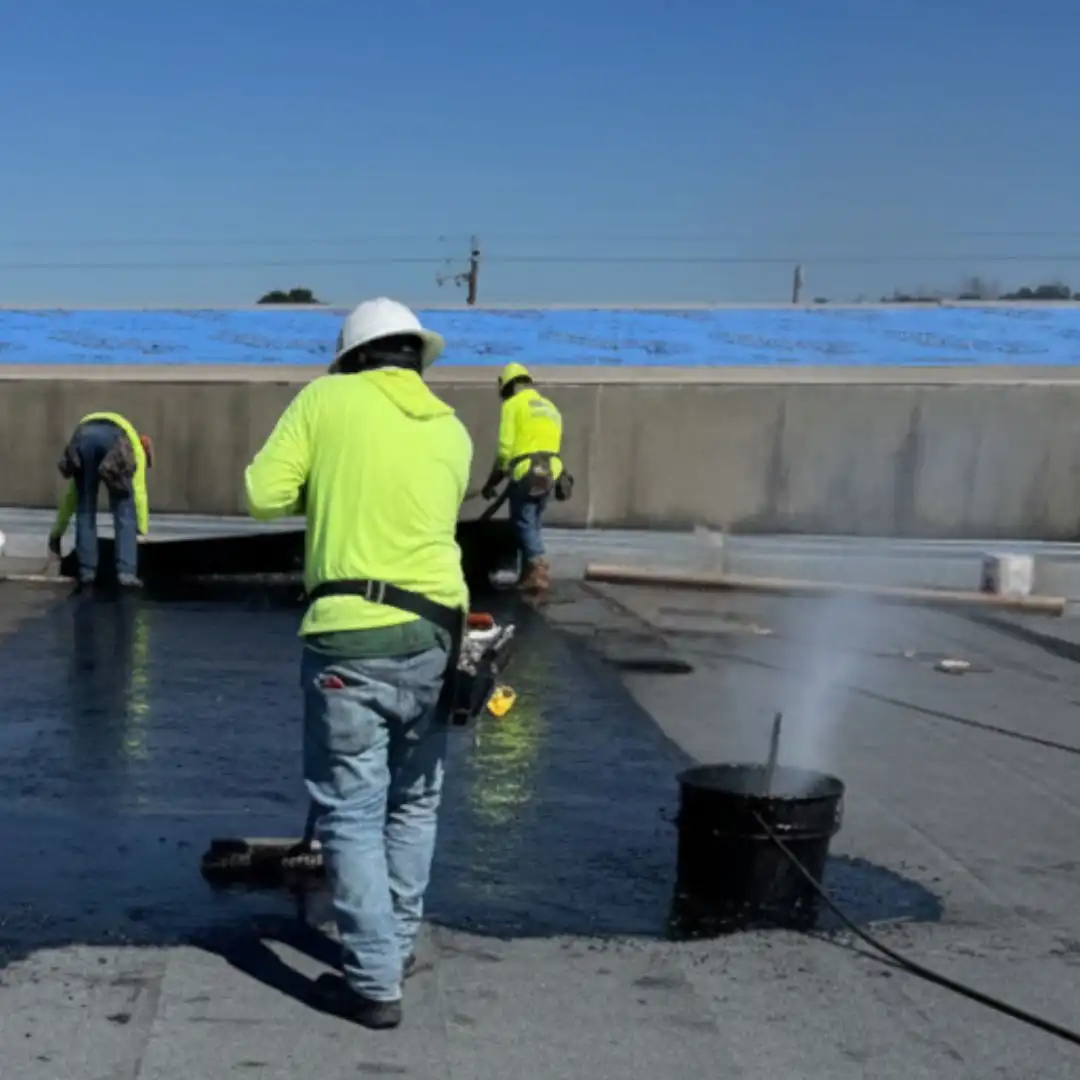
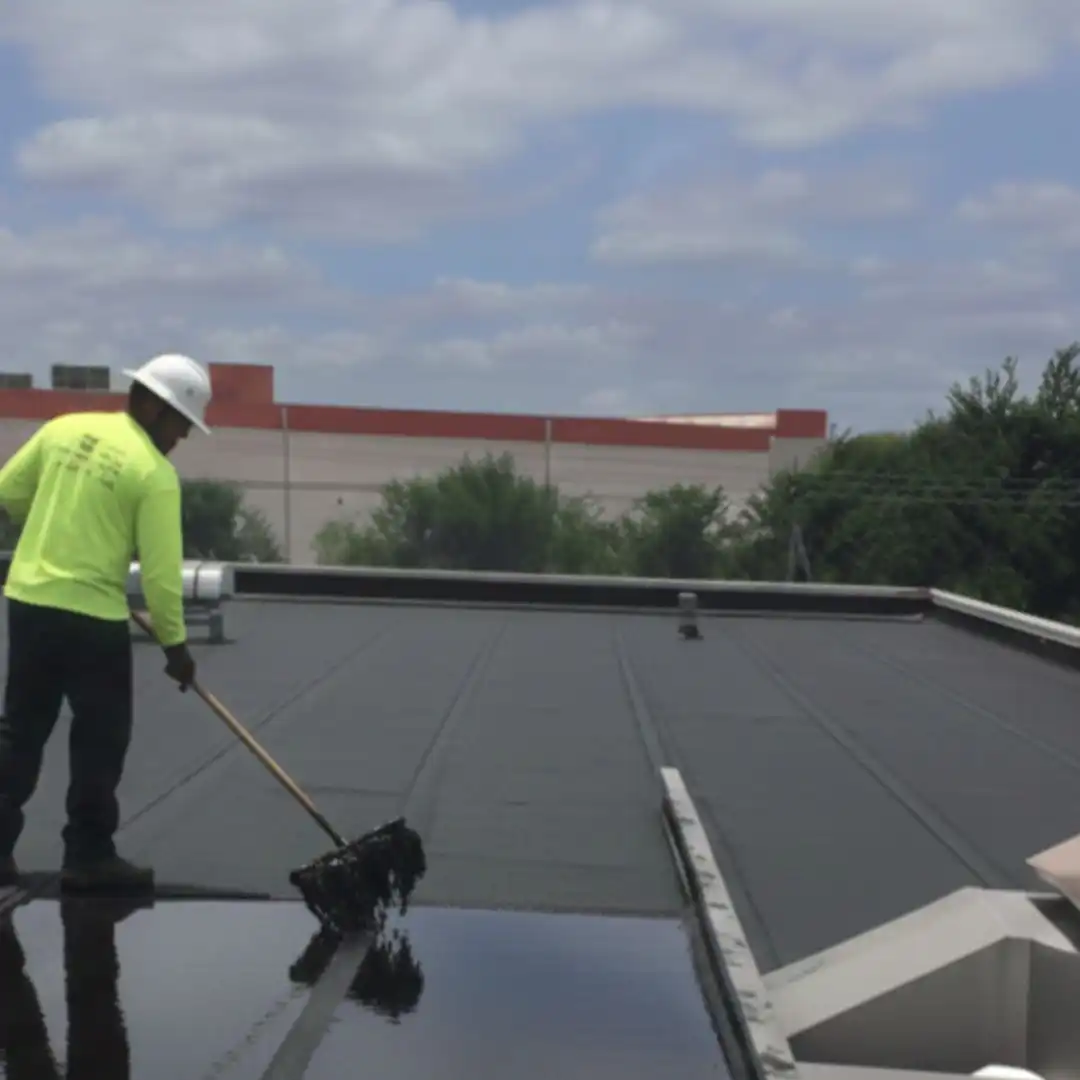
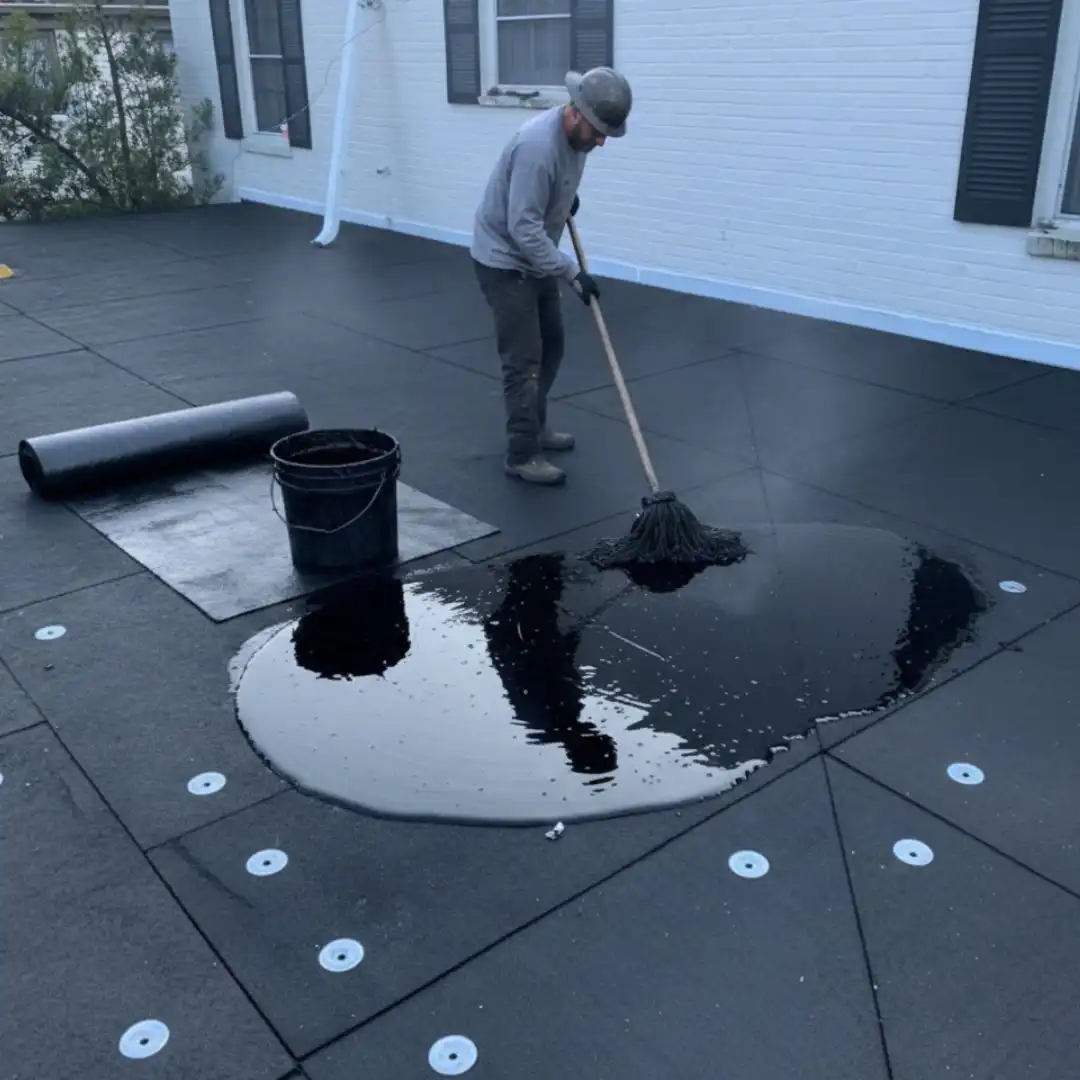
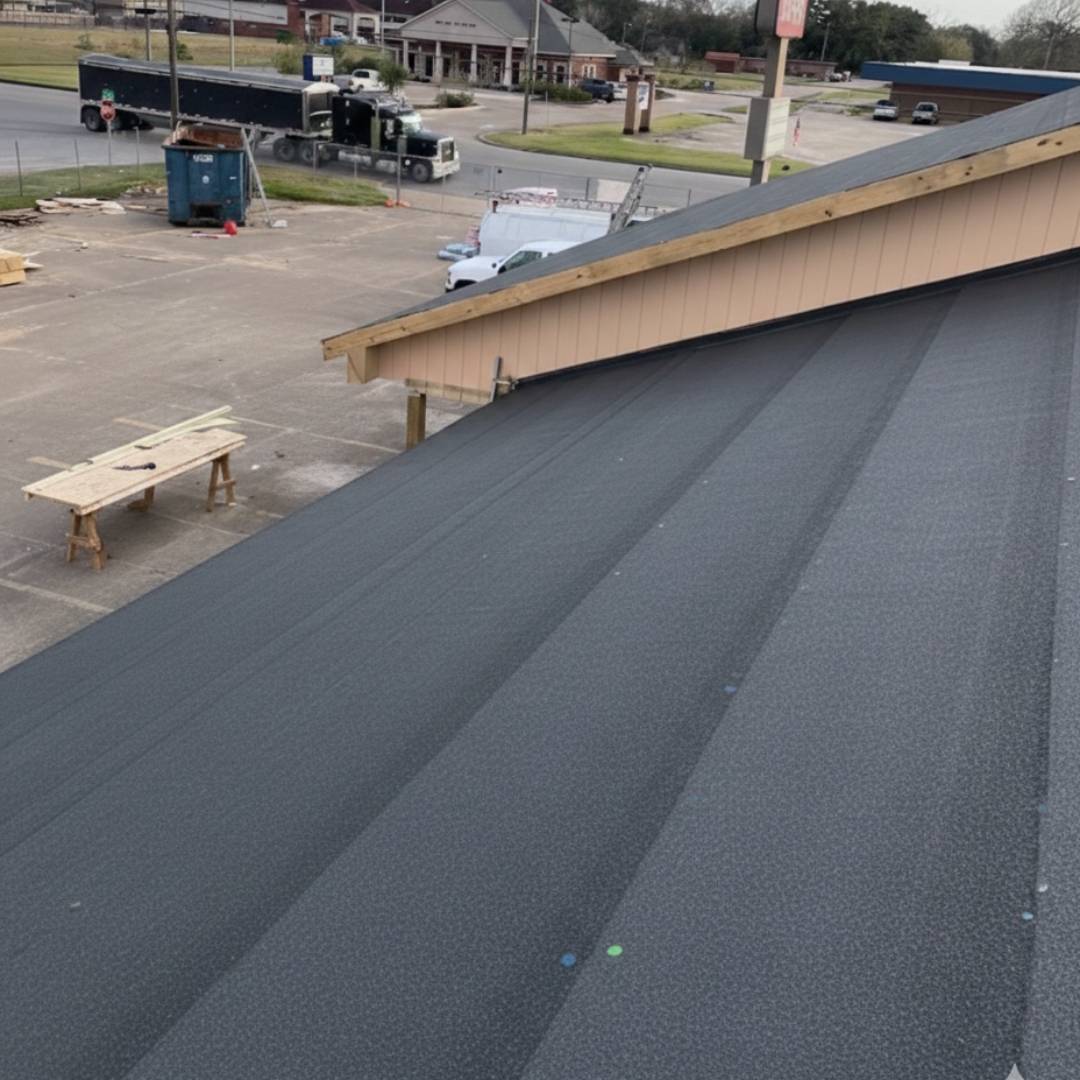
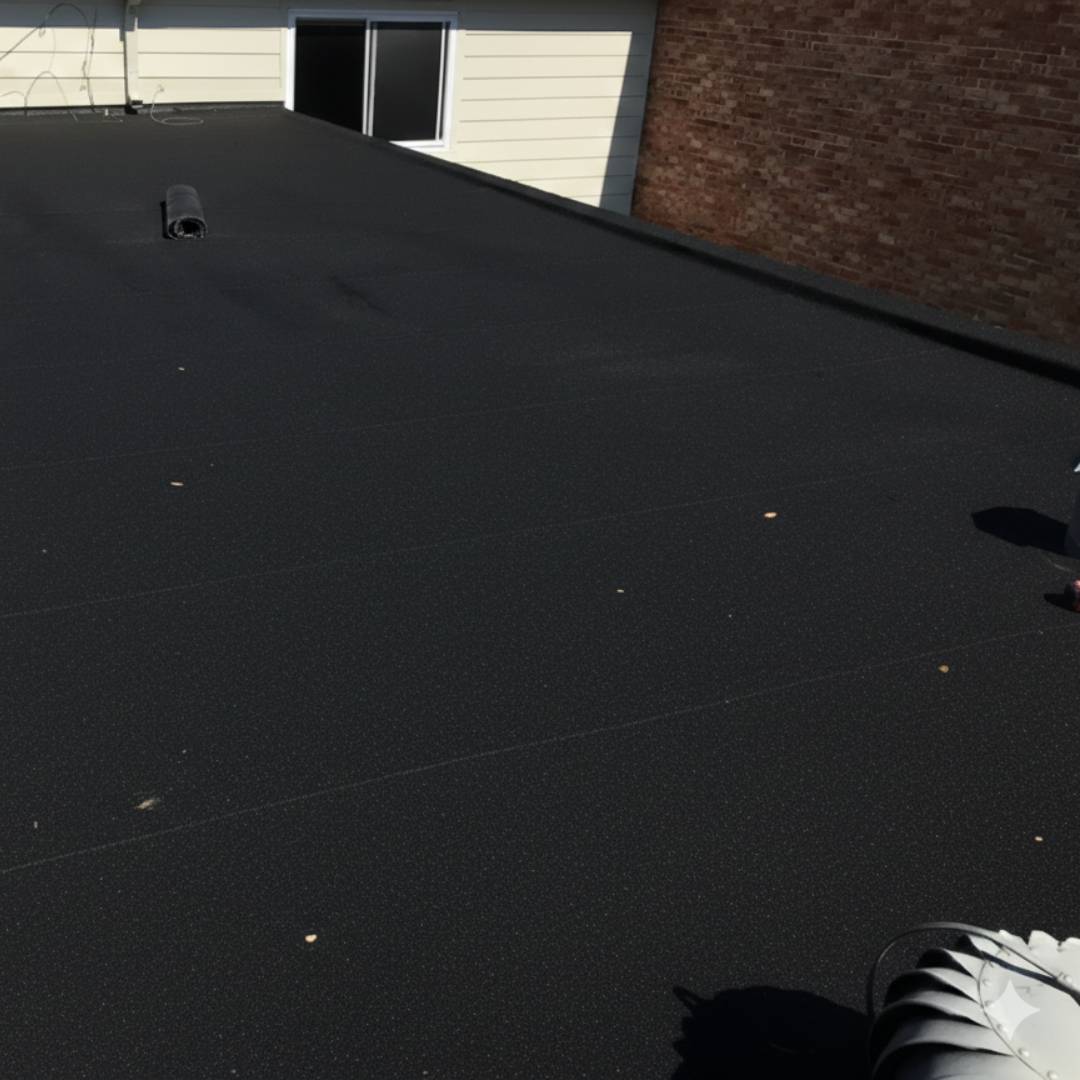
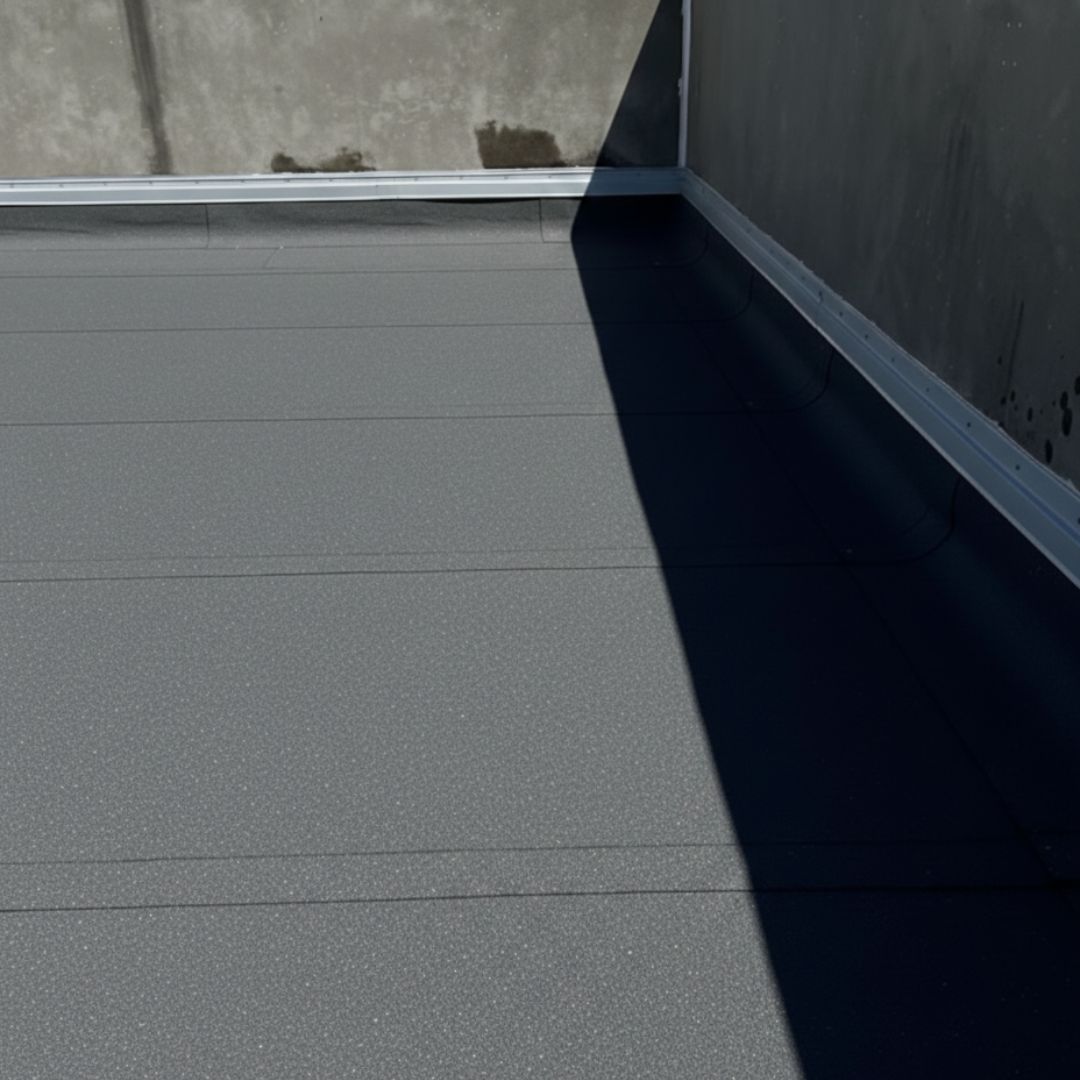
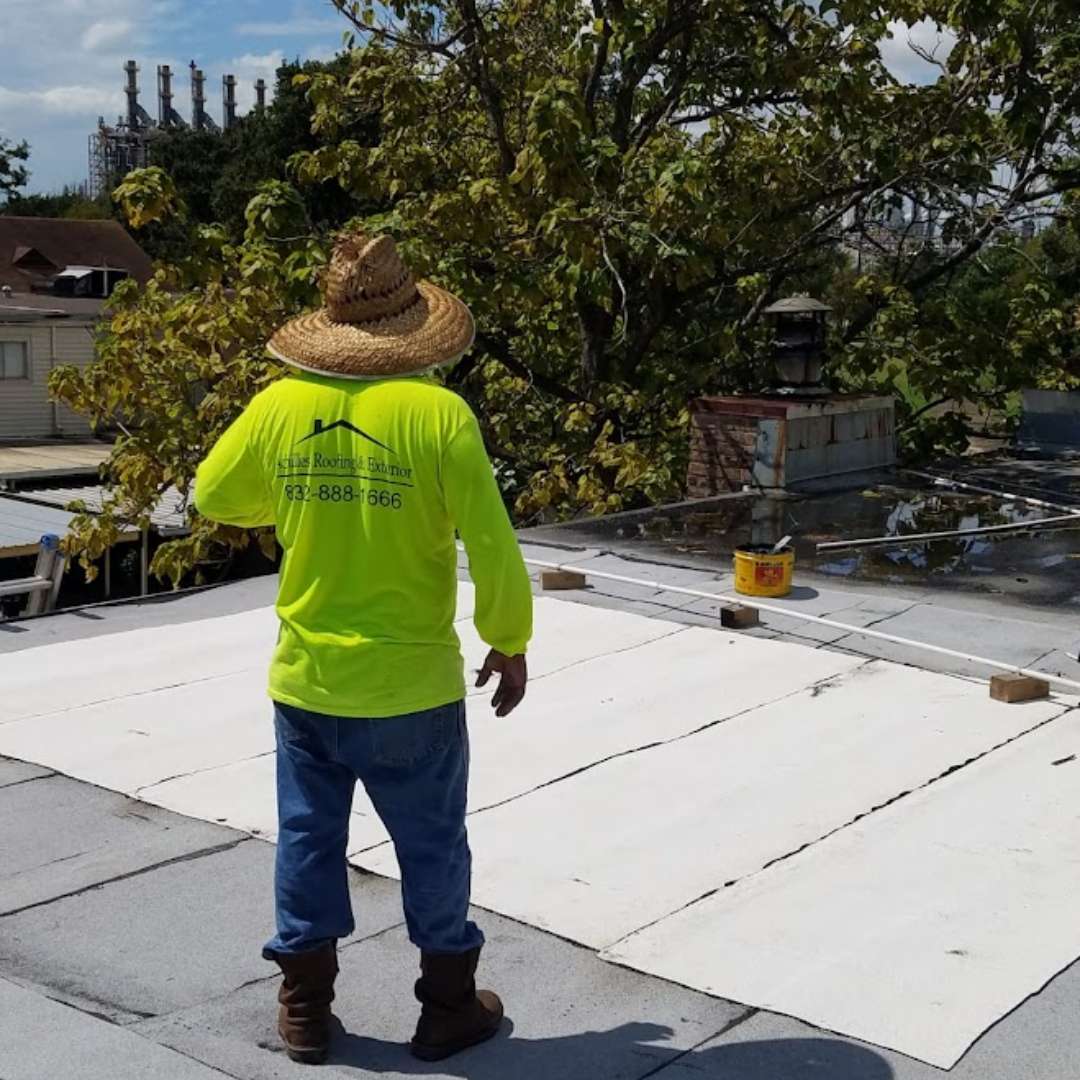
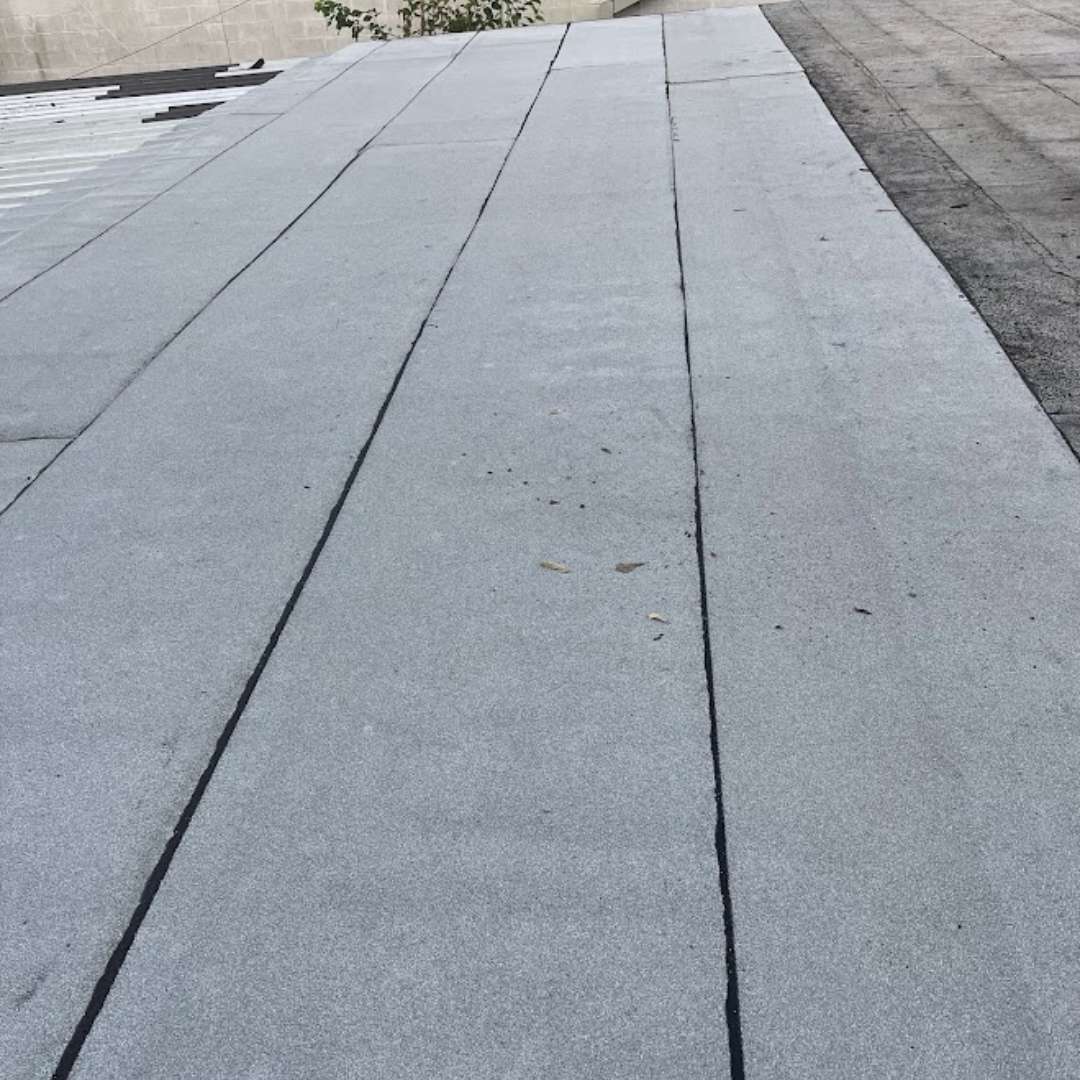
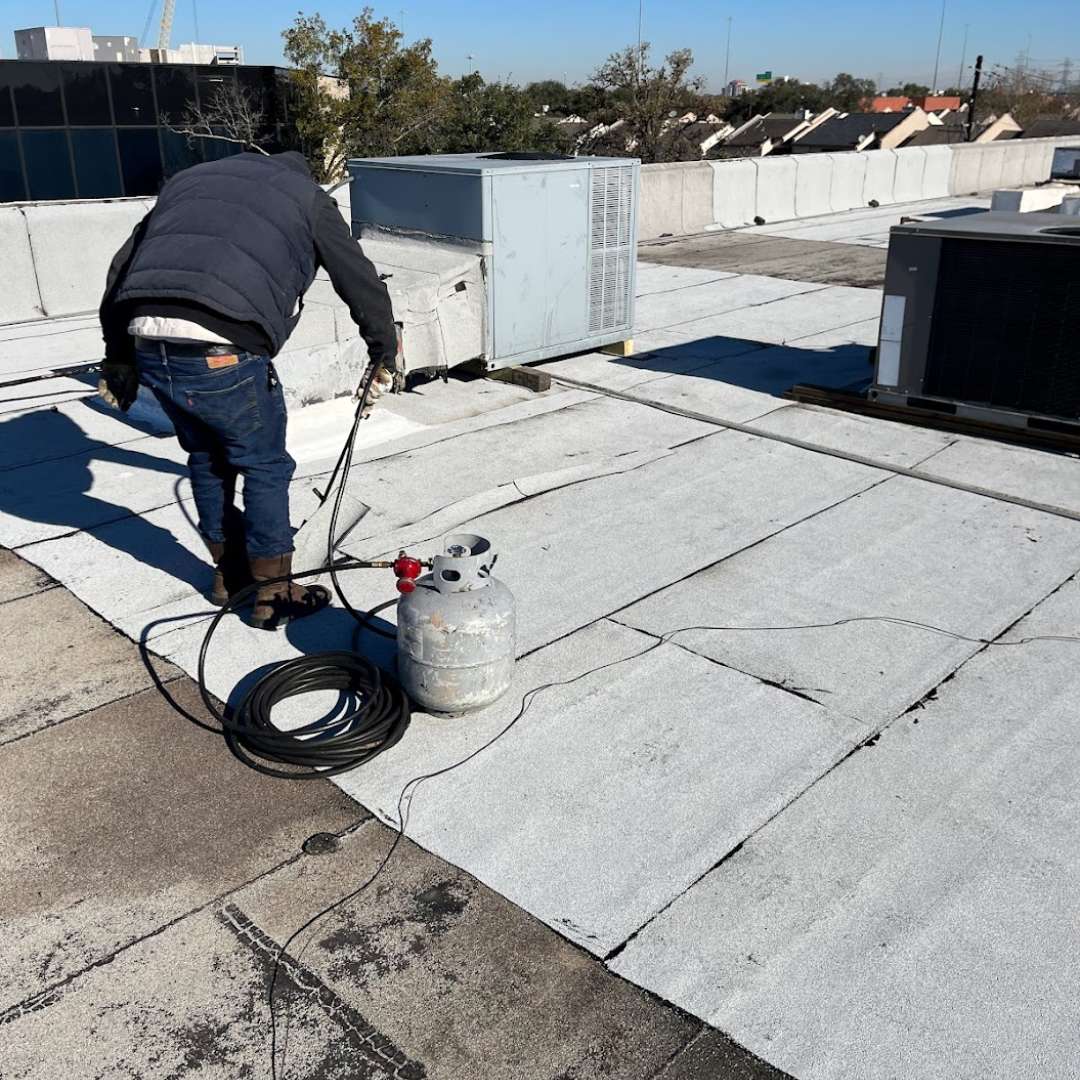
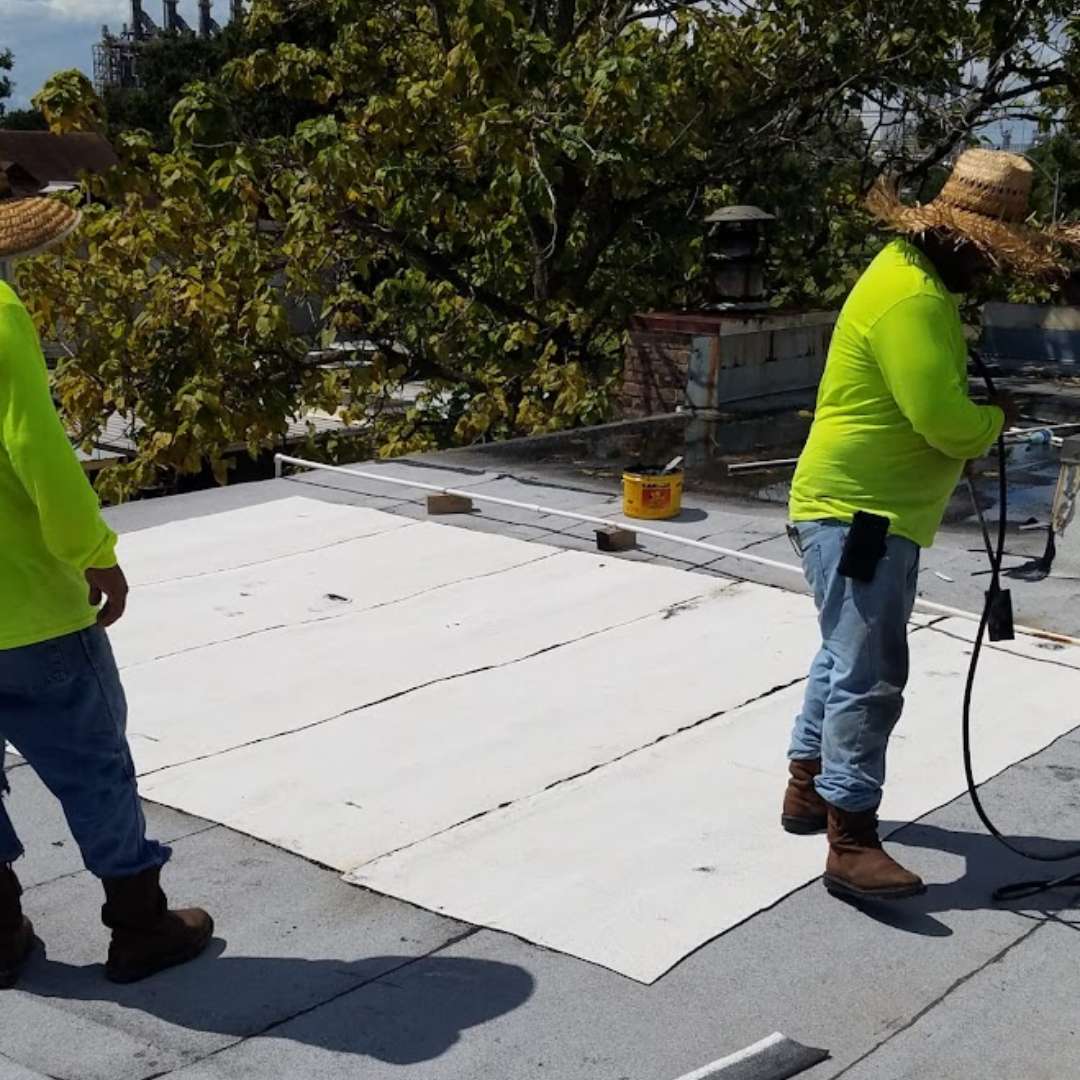
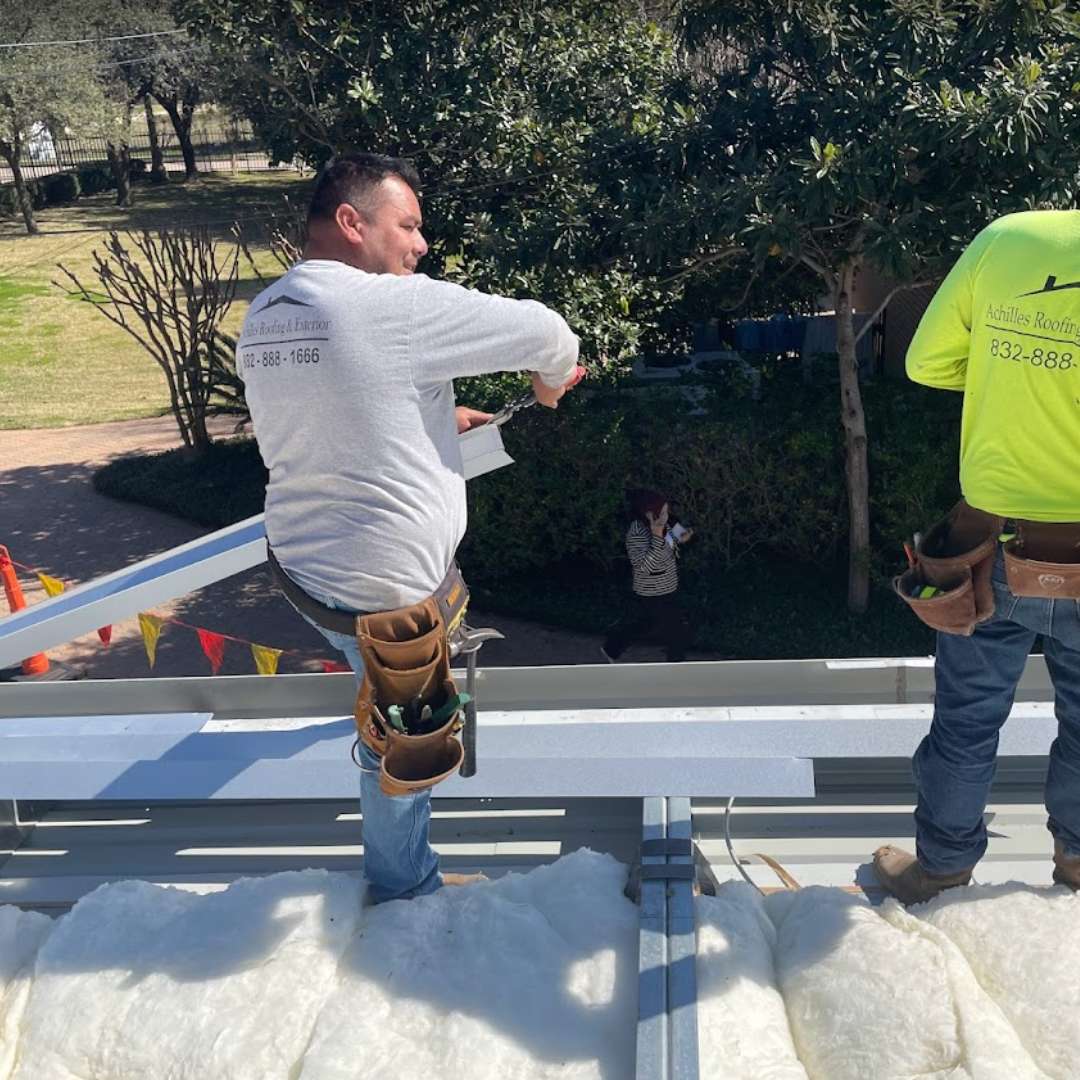
Expert Hot Mop Roofing in Action.
Invest in Proven Protection.
Secure Your Facility Today.
Experience the unmatched durability of a professionally installed Built-Up roof. Contact Achilles Roofing & Exterior now for a free commercial consultation.

I would like to post a positive review for Achilles Roofing & Exterior team. It is second time we are doing minor work on our house and I'm very satisfied with quality of work, dedication and enormous progress on a transformation they made in both times. I do not foresee any roof repairs on my house in future but if you are looking for someone trustworthy, punctual, caring to do your roof work, I would totally trust them.

Achilles Roofing & Exterior did an exceptional job with our residential roofing project, providing top-notch roof repair services and professional work done at a reasonable cost. Their experienced roofer team handled the quick roofing service with care and attention to detail, ensuring our new roof exceeded our expectations.

We really needed a new roof and we got 5 different quotes from 5 companies and Achilles gave us the best quote by thousands of dollars! Very professional work and service and very flexible to help meet our busy schedules.I would highly recommend this company to anybody who needs roofing services.

Great price · $2,000–4,000
To cool down my attic, I decided to install a solar attic fan. I got proposals from four different vendors and evaluated them based on customer service, experience, implementation, and price. Achilles Roofing & Exterior, led by Ahmad Faiz, was the standout choice.

Great price · $10,000–12,000
Ahmad is very professional. The process was very simple. Price was affordable and the quality of work is amazing. Thank you for the new replacement and previous rook repairs.

Quick turnaround on some roof repairs we needed for the sale of our home. Everything was documented on the invoice and with photos. Very professional.

Great job on my Atrium cover. Used them before for my roof. Well done and very reasonable.
Commercial Hot Mop FAQs
Questions we get from commercial property owners across Houston, Katy, Sugar Land, and Pearland — answered with technical specificity.
Why does my Houston commercial flat roof keep leaking even after repeated patch repairs?
Repeated leaks after patching almost always indicate interply void formation beneath the visible membrane surface. Houston’s thermal cycling — surface temperatures rising to 170°F+ daily in summer, then dropping 50–80°F overnight — stresses the bitumen adhesive between felt layers every single day. Over 10–15 years, void networks form and fill with trapped moisture during heavy rain events. Patching the visible spot doesn’t address the interply network beneath. A core sample assessment is the only way to accurately diagnose how far the failure has spread before recommending repair or replacement.
What is the difference between hot mop roofing and cold-applied BUR systems in Houston?
Hot mop roofing uses refined asphalt heated to 400–425°F in an on-site kettle, then mopped between layers of fiberglass or organic felt while still molten. The hot bitumen flows into every substrate void and fuses all layers into a monolithic membrane as it cools — creating a molecular bond that no cold-applied adhesive replicates. In Houston’s climate, where thermal cycling creates constant mechanical stress on interply bonds daily, hot-applied bitumen consistently outperforms cold-applied alternatives across a 20+ year service life. Cold-applied adhesives are more common in lower-cost installations but show higher interply delamination rates in Houston’s heat cycling environment.
How does Houston's intense summer heat affect the hot mop installation process?
Houston’s ambient heat (95–100°F air temperature, 160–170°F roof surface in summer) affects hot mop installation in two critical ways. First, bitumen cools faster when applied to an extremely hot substrate, narrowing the working window between kettle pour and felt application. Experienced crews adjust pour-and-mop pace and distance accordingly — crews that don’t adjust lose adhesion quality in afternoon plies. Second, Houston’s high humidity can cause steam blistering if any residual substrate moisture is present when 400°F bitumen is applied. Achilles crews eliminate substrate moisture before each pour and monitor kettle temperature continuously throughout every installation day.
How many plies does a Houston commercial hot mop roof actually need?
Standard commercial BUR specifications call for 3–4 interply layers for most Houston commercial buildings. Buildings with regular rooftop HVAC service traffic, equipment staging, or mechanical rooms typically warrant 4-ply systems — the additional layer provides meaningful puncture resistance for foot traffic loads that exceed residential assumptions. The gravel flood coat adds a final protective layer critical for Houston’s spring hail season and UV environment. Achilles specifies ply count based on your building’s use, traffic pattern, and existing deck condition — not a flat assumption applied to all jobs regardless of occupancy.
What does commercial hot mop roofing cost in Houston?
Commercial hot mop (BUR) roofing in Houston starts at $20,000 for a full replacement. Final cost depends on roof square footage, the extent of existing interply damage (identified by core sample), deck structural condition, number of HVAC curbs and penetrations, and whether a 3-ply or 4-ply specification is appropriate for your building’s use. Achilles Roofing provides a written, itemized quote — broken down by labor, materials, and permit fees — before any kettle is heated. GreenSky financing is available for qualified commercial clients. Call (832) 888-1666 for a free site assessment.
How long does a commercial hot mop BUR system last on a Houston building?
A properly installed hot mop BUR system has a design life of 20–30 years on Houston commercial buildings. The primary aging factors in Houston’s specific climate are gravel flood coat loss from tropical storm wind events (which exposes dark bitumen to accelerated UV oxidation), chronic drain restriction causing ponding, and interply delamination at HVAC curb terminations from thermal cycling. With annual drain maintenance, periodic gravel replacement at wind-exposed perimeter zones, and prompt repair of any visible blisters, Achilles-installed BUR systems routinely approach the upper end of the design life range. All installations carry a 5-year workmanship warranty from Achilles Roofing & Exterior.