
PROJECT SNAPSHOT | Clay Tile Roof Repair Houston
| Client | Guy M. — Hazard St, River Oaks, Houston, TX 77019 |
| Property | Residential — Mexican clay tile roof |
| Customer type | Repeat customer |
| Scope | Tile removal, underlayment inspection, reinstallation — two separate roof sections |
| Cause of damage | Damaged tiles from improper foot traffic on the roof |
| Material approach | Salvaged and reinstalled existing Mexican clay tiles; replaced only damaged pieces |
| Warranty inspection | May 2, 2026 |
| Repair completed | May 11, 2026 |
| Workmanship warranty | 2 years |
| Investment | Contact for a free estimate |
| Project lead | Ahmad Faiz |
The Situation: When Foot Traffic Damages a Clay Tile Roof
Guy Michael’s home in Houston’s River Oaks area features a Mexican clay tile roof — a material prized for its durability, classic aesthetic, and long lifespan. But clay tiles have one well-known vulnerability: they are not designed to be walked on.
The damage to Guy’s roof originated from improper foot traffic on the tile surface. Clay tiles are rigid and can crack or shift under direct pressure from footsteps, especially in areas not reinforced for walking. This is a common issue after any work requiring roof access — satellite installation, gutter cleaning, HVAC servicing, or even routine inspections — if proper precautions aren’t taken.
As a repeat customer, Guy contacted Achilles Roofing & Exterior for a warranty inspection on May 2, 2026, which confirmed the scope of damage across two distinct sections of the tile roof.
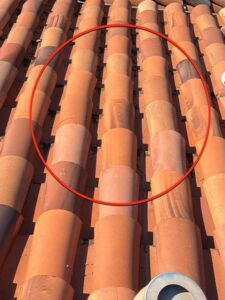
Why Achilles Salvaged Existing Tiles Instead of a Full Replacement.
For a Mexican clay tile roof, a full replacement is rarely the right first move when the damage is localized. Achilles Roofing’s approach for Guy’s project reflects industry best practice for clay tile roof repair: salvage what’s reusable, replace only what’s damaged.
Careful tile removal and salvage
The Achilles team removed up to 25 existing Mexican clay tiles from the affected area in order to access the underlying roof components. Each tile was carefully set aside, with salvageable tiles identified for reinstallation rather than disposal — a more cost-effective and sustainable approach than a blanket replacement.
Underlayment and decking inspection
Once tiles were removed, Achilles inspected the exposed underlayment and decking for any underlying damage. This step is critical: tile damage often looks worse than it is on the surface, but the real risk is what’s happening underneath, where moisture intrusion can cause rot or structural issues invisible from above.
Reinstallation with selective replacement
After confirming the underlayment and decking were sound, the salvaged tiles were reinstalled, with only the genuinely damaged tiles replaced. The team made minor adjustments as needed to ensure every tile sat properly aligned and watertight upon completion. Because Mexican clay tiles can show slight color variation due to weathering and age, any new tiles were expected to blend close to — but not necessarily identical to — the surrounding existing material.
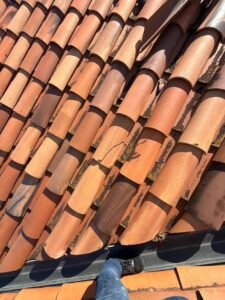
The Process: Two Sections, One Coordinated Repair
Step 1 — Warranty inspection
Ahmad Faiz conducted a warranty inspection at the Hazard Street property on May 2, 2026, identifying two separate sections of the clay tile roof affected by foot-traffic damage.
Step 2 — Two estimates for two affected areas
Because the damage spanned two distinct sections of the roof, Achilles issued two separate estimates — Estimate #6460 for one affected area (up to 25 tiles) and Estimate #6462 for a second affected area (up to 20 tiles). Treating each section as its own scope of work allowed for precise tracking of materials and labor for each repair zone.
Step 3 — Repair execution
Both repair sections were completed in a single visit on May 11, 2026. The crew removed the affected tiles, inspected the underlayment and decking, made any necessary adjustments, and reinstalled the salvaged and replacement tiles to restore a properly aligned, secured, and watertight roof surface.
Step 4 — Two-year workmanship warranty
Both repair scopes were backed by a 2-year workmanship warranty — standard practice for Achilles Roofing’s repair work, giving Guy continued protection and peace of mind on both sections of the tile roof.
The Full Project Timeline
Here is the complete timeline from inspection to paid invoices:
| Date | Milestone | Details |
| May 2, 2026 | Warranty inspection | Ahmad Faiz inspects the property. Two separate sections of foot-traffic tile damage identified. |
| May 2, 2026 | Two estimates issued | Estimate #6460 and Estimate #6462 issued for the two affected roof sections. |
| May 7, 2026 | Estimates signed | Guy Michael signs both estimates, authorizing the repair work. |
| May 11, 2026 | Repair completed | Both tile sections repaired in a single visit tile removal, underlayment inspection, reinstallation, and selective tile replacement. |
| May 11, 2026 | Invoices paid in full | Invoice 1 and Invoice 2 both settled via credit card the same day. |
Preventing Future Mexican Clay Tile Roof Repairs
One of the biggest lessons from this River Oaks roof repair project is that most Mexican clay tile roofing problems don’t happen overnight. Small cracked tiles, displaced pieces, worn underlayment, and minor flashing issues can go unnoticed for years before they turn into active leaks.
Regular inspections and preventive maintenance help homeowners catch these issues early, protecting both the roofing system and the home’s interior from costly water damage. This is especially important in Houston, where intense heat, heavy rain, and seasonal storms can accelerate wear on tile roofing systems.
Homeowners who want to maximize the lifespan of their roof should follow a proactive maintenance plan. Learn more about proper Mexican Clay Tile Roof Maintenance, including inspection schedules, common warning signs, and best practices for preserving the beauty and performance of clay tile roofing in Houston’s climate.
At Achilles Roofing & Exterior, we help homeowners throughout River Oaks and the Greater Houston area keep their tile roofs in excellent condition through professional inspections, repairs, and long-term maintenance solutions.
The Result: A Repeat Customer’s Roof, Restored and Watertight
By the end of the day on May 11, 2026, both sections of Guy Michael’s Mexican clay tile roof had been fully repaired — salvaged tiles reinstalled, damaged tiles replaced, and the entire affected area secured and watertight, backed by a 2-year workmanship warranty.
Guy’s choice to return to Achilles Roofing for this repair rather than searching for a new contractor speaks to the kind of ongoing relationship the company builds with its clients.
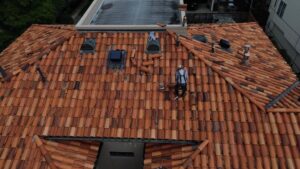
| “Excellent service at a fair price. Achilles staff communicate promptly and get the work done on my tile roof efficiently. Happy to be a repeat customer with Achilles.”
— G. Michael — River Oaks, Houston, TX 77019 (Google Review) |
Frequently Asked Questions
Why do Mexican clay roof tiles crack or break?
The most common cause of clay tile damage is foot traffic — clay tiles are rigid and not designed to bear direct walking pressure. Damage often occurs after satellite dish installation, gutter cleaning, HVAC servicing, or roof inspections where proper precautions weren’t taken. Achilles Roofing repaired a Houston clay tile roof in May 2026 where the damage was specifically caused by improper foot traffic on the roof surface.
Can damaged clay roof tiles be repaired instead of fully replaced?
Yes, in most cases. When tile damage is localized to a specific area, a roofing contractor can remove the tiles in the affected zone, inspect the underlayment and decking beneath, and reinstall salvageable tiles while replacing only the genuinely damaged ones. This approach is significantly more cost-effective than a full roof replacement and is the standard repair method for isolated tile damage.
What is underneath clay roof tiles, and why does it matter?
Beneath clay roof tiles is an underlayment layer and the roof decking. When tiles are removed for repair, a roofing contractor should always inspect this underlayment and decking for hidden damage moisture intrusion beneath cracked tiles can cause rot or deterioration that isn’t visible from above. This inspection step is a critical part of any proper clay tile roof repair.
Will new roof tiles match the color of my existing tiles exactly?
Not always exactly, and that’s normal. Mexican clay tiles develop slight color variation over time due to weathering and sun exposure. When a small number of damaged tiles are replaced within a larger existing roof, the new tiles may be a slightly different shade than the surrounding weathered tiles. This is a cosmetic difference that typically becomes less noticeable as the new tiles weather naturally over time.
How much does it cost to repair a clay tile roof in Houston?
The cost of clay tile roof repair in Houston depends on the size of the affected area, the number of tiles requiring replacement, and the extent of any underlayment or decking damage discovered. Smaller, localized repairs — such as sections affected by foot traffic damage — are typically more affordable than full roof replacement. Contact Achilles Roofing & Exterior for a free inspection and estimate specific to your tile roof.
How long does a clay tile roof repair take?
A localized roof repair — covering tile removal, underlayment inspection, and reinstallation — can typically be completed in a single day for smaller affected areas. Achilles Roofing completed repairs across two separate sections of a Houston client’s clay tile roof in one visit, from morning start to same-day completion.
|