

























Does Galveston Bay humidity cause algae growth on Seabrook roofs?
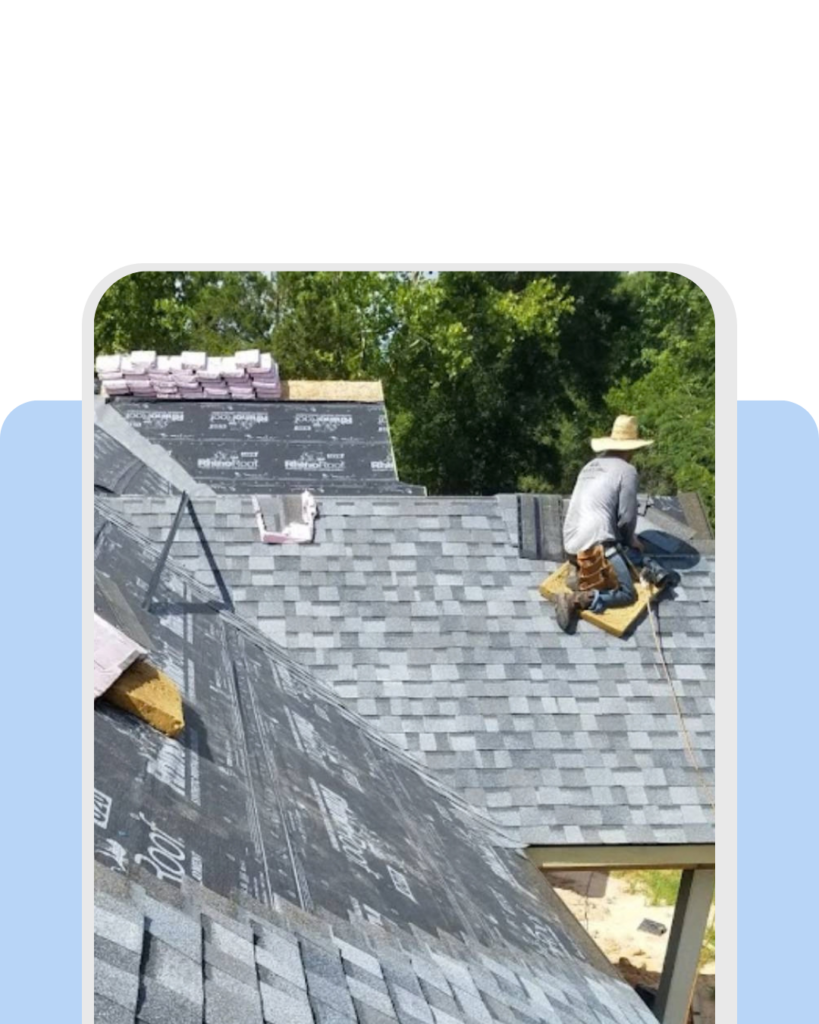
Yes, consistent moisture off the bay encourages algae streaking on asphalt shingles faster than in drier inland areas. Algae-resistant shingle options and periodic roof inspections help catch it early.
Do Seabrook homes need a specific wind rating for roofing materials?
Homes this close to the water benefit from materials rated for higher sustained wind loads given Gulf storm exposure. Check NOAA’s hurricane center for current storm-season guidance before scheduling replacement work.
Does salt air affect metal flashing and fasteners near the bay?
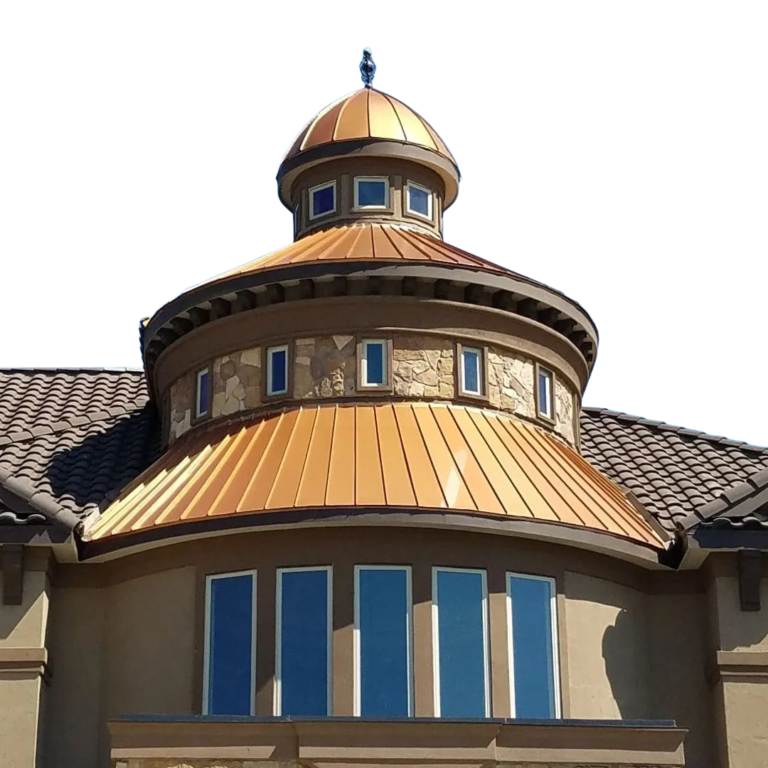
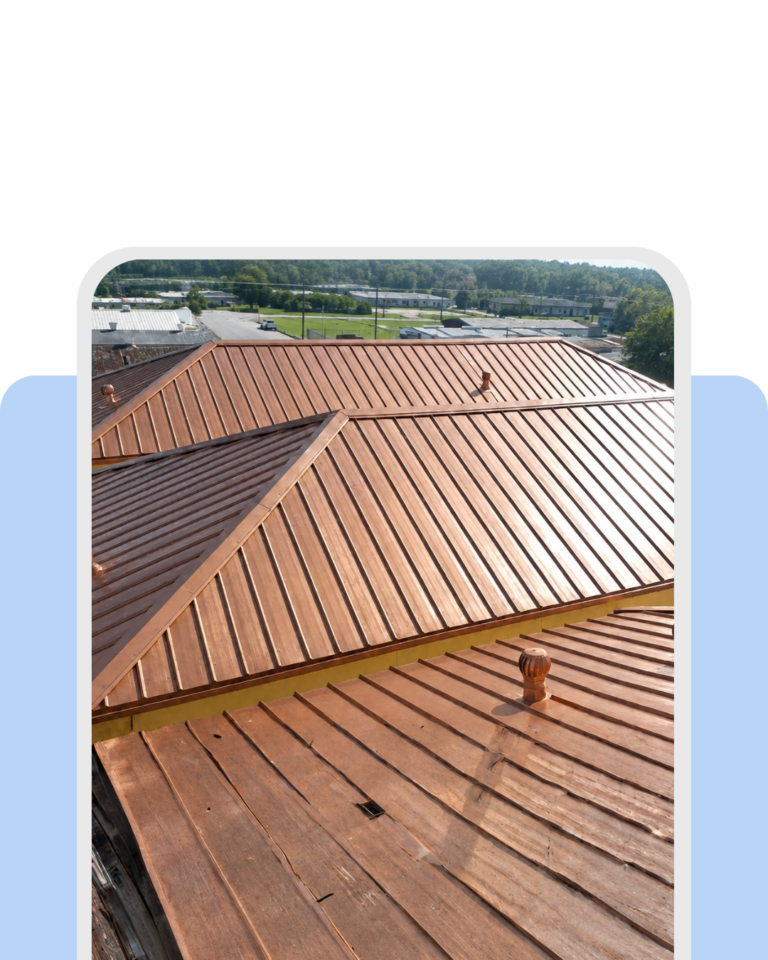
Salt-laden air accelerates corrosion on untreated metal flashing and standard fasteners over time. Coastal installations typically call for corrosion-resistant metals like the options used in our copper roofing systems.
Why does standing water collect on some Seabrook roofs after storms?
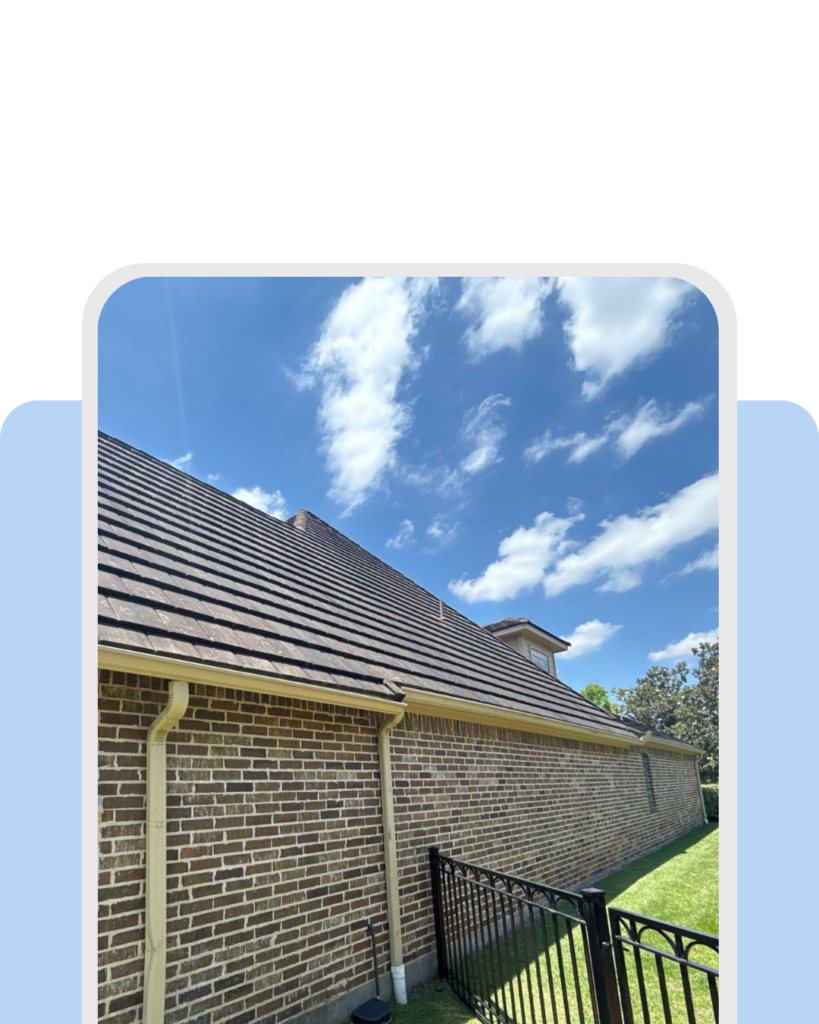
Seabrook’s low, flat terrain near the bay slows drainage, so undersized or clogged gutters back up quickly during heavy rain. Extending downspouts and clearing debris before storm season reduces this risk.
How often should a Seabrook roof be inspected during hurricane season?
An inspection before and after hurricane season (June through November) catches wind-lifted shingles and flashing separation early. Our roof inspection service documents any storm-related wear.
Are older homes near the water more prone to attic ventilation problems?
Older Seabrook homes often have undersized soffit and ridge ventilation, which traps humid air and accelerates deck wear.
What roofing material holds up best against Seabrook’s humidity and sun combined?
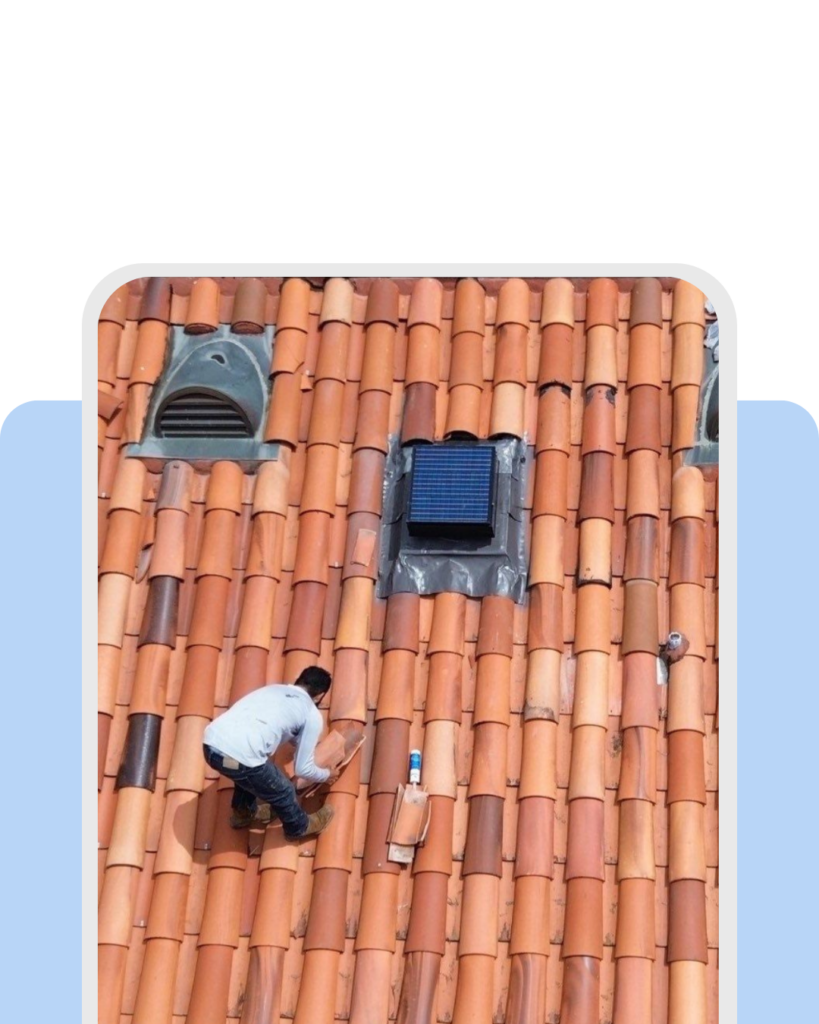
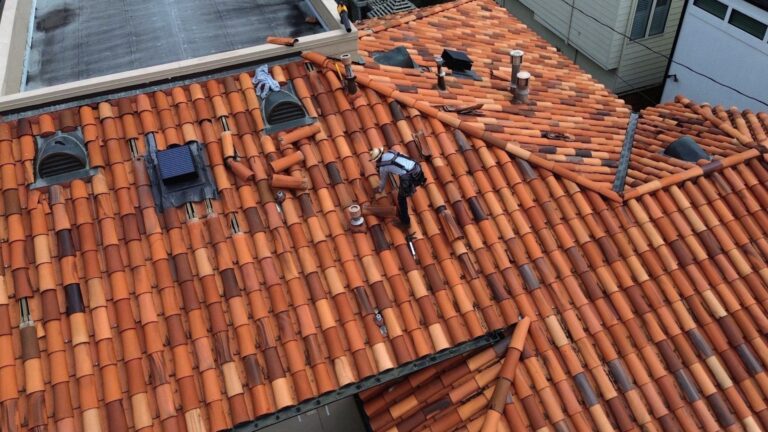
Concrete and clay tile tend to resist the combined effects of UV exposure and coastal moisture better than standard asphalt. See our concrete tile roofing options for a comparison of long-term performance.