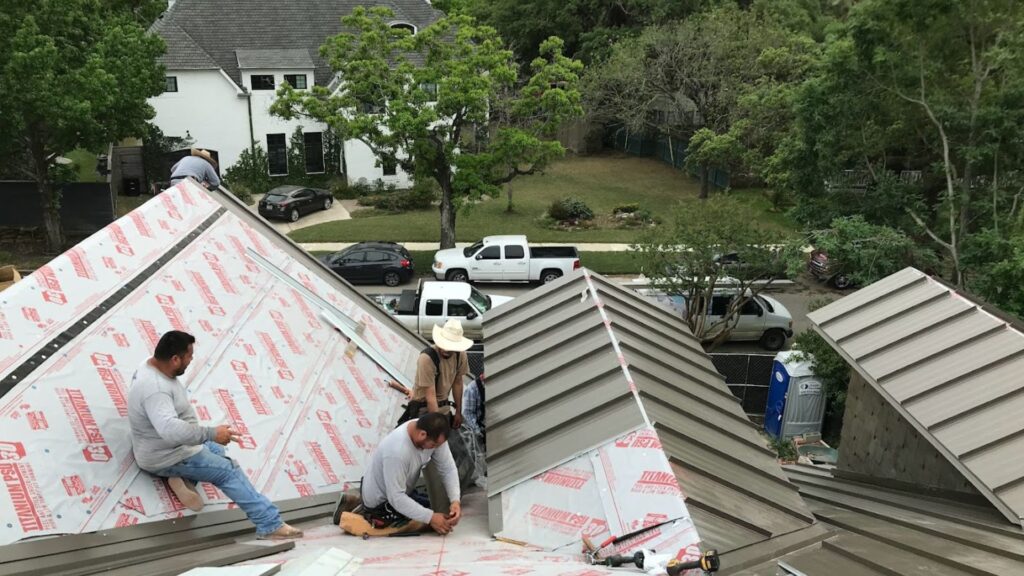
An aging, damaged, or failing roof is not merely a maintenance issue. It’s a silent threat to your home’s structural integrity and financial value. While the idea of a roof replacement can be intimidating, it is one of the most critical and high-impact investments a homeowner can make.
Roof replacement is not just about stopping leaks. It’s about ensuring protection, boosting energy efficiency, and securing long-term value.
The High Cost of Waiting
Ignoring a compromised roof guarantees escalating and exponentially higher repair bills down the line. A failing roof system immediately exposes your entire home to a cascade of expensive and devastating problems:
- Structural Damage and Rot: The primary function of a roof is to shed water. When it fails, water penetrates the structure. This slow, persistent exposure to moisture leads to the rotting of wood decking, rafters, and fascia boards. Repairing this structural damage, which often requires interior demolition and replacement, significantly dwarfs the cost of a preventative roof replacement.
-
Health Hazards and Air Quality: Persistent moisture trapped in the attic space, insulation, and wall cavities is the ideal environment for the proliferation of toxic mold and mildew. These contaminants degrade indoor air quality, posing serious respiratory health risks to occupants. Remediation for widespread mold can be complex and extremely costly.
-
Insulation Degradation: Once insulation (fiberglass, cellulose, etc.) becomes wet due to leaks, its R-value (thermal resistance) plummets. This saturated material compresses, losing its ability to regulate temperature, necessitating full insulation replacement alongside the roofing project.
-
Ceiling and Interior Damage: The most visible sign of neglect is water staining, bubbling, and collapse of interior drywall and plaster ceilings. While a minor fix initially, chronic leaking can destroy expensive finishes, light fixtures, and flooring.
A new, properly installed roof eliminates these threats, offering a comprehensive, integrated seal against the elements and ensuring the home remains dry, safe, and structurally sound.

Clear Signals Demanding Immediate Roof Replacement
A homeowner shouldn’t wait for a major leak before taking action. Knowing the definitive signs of system failure allows for proactive planning and budgeting:
1. The Age Factor is Non-Negotiable
Most standard asphalt shingle roofs are engineered for a service life of 15 to 25 years, depending on material quality and local climate severity. If your roof is nearing or past this lifespan, regardless of its current appearance, its protective properties—especially the critical underlayment and flashing—are diminished and highly susceptible to failure. Replacing it based on age is an act of preventative financial planning.
2. Visible Shingle Deterioration
Inspection from the ground or a ladder often reveals the most obvious issues:
-
Curling and Clawing: Shingle edges lifting up or centers buckling indicate that the asphalt material is drying out, losing its essential oils, and becoming brittle.
-
Cracking and Missing Tabs: Brittle, cracked shingles allow water to penetrate the protective layers beneath them. Missing shingle tabs expose the underlayment, which cannot handle prolonged direct sun exposure.
-
Granule Loss: If large quantities of shingle granules (the sand-like coating) are consistently washing into your gutters, it signals that the shingle’s vital UV-protective layer is gone. This accelerates asphalt breakdown dramatically.
3. Systemic Failure Indicators
-
Repeated, Persistent Leaks: If leaks consistently reappear despite multiple localized repairs, it indicates that the entire roofing system, including the flashing around chimneys or vents, the underlayment, or the deck itself, has fundamentally failed. A patchwork approach is no longer cost-effective.
-
Roof Sagging or Dipping: Any visible dipping, buckling, or noticeable lack of straightness in the roof deck or ridge line is an extremely serious sign. It often signals significant moisture damage, compromise to the rafters, or widespread rot in the decking, requiring immediate attention.
-
Attic Inspection Clues: Inside the attic, look for dark streaks, wet wood, or visible light coming through the roof boards. A damp, musty odor is also a sign of chronic moisture problems.
Key Factors Driving the Roof Replacement Project Cost
A full roof replacement is a complex project with a varying price tag. The final cost is influenced by strategic choices and physical site conditions:
-
Material Selection: This is the single largest cost variable. While asphalt shingles offer the best blend of affordability and performance, premium choices like metal, clay/concrete tile, or slate can multiply the cost but offer far superior longevity (50+ years) and durability. The choice must balance budget, aesthetics, and climate requirements.
-
Scope of Work (The Tear-Off Decision): The cost of labor is significantly increased when a full tear-off is required (removing all existing layers of roofing down to the bare decking). While more expensive, this step is non-negotiable for quality, as it allows the contractor to inspect, repair, and replace damaged wood decking before new material is installed. Applying a new layer over a damaged deck is poor practice.
-
Roof Complexity and Pitch: A large, multi-faceted roof with numerous valleys, hips, and dormers requires more time and specialized labor than a simple, low-pitched gable roof. Steep pitches also incur higher labor costs due to safety requirements and increased difficulty.
-
Flashing and Ventilation Upgrades: Costs will include new metal flashing around chimneys and vents, which is crucial for leak prevention. Furthermore, smart homeowners invest in upgrading attic ventilation (e.g., adding ridge vents and soffit vents) during a roof replacement to ensure the new system lasts by regulating attic temperature and moisture.
Strategic Selection and Execution
To maximize the return on this critical investment, homeowners must focus on quality in both materials and labor:
-
Prioritize Longevity: While the initial price tag for metal or composite materials is higher, they can deliver a lower cost-of-ownership over 50 years compared to replacing asphalt shingles two or three times in the same period.
-
Vet Your Contractor Rigorously: The quality of the installation directly determines the roof’s lifespan and warranty validity.
-
Verify Credentials: Insist the company is fully licensed and insured (with liability and workers’ compensation).
-
Seek Certification: Contractors certified by the material manufacturer (e.g., GAF, CertainTeed, etc.) can offer superior, non-prorated warranties that protect your investment longer.
-
-
Demand Transparency: Do not accept verbal estimates. Insist on a detailed, written proposal that explicitly breaks down the costs for materials, labor, tear-off/disposal, and any potential wood repair allowances.
A well-executed roof replacement secures your home’s structural health, drastically improves energy efficiency, and provides a significant boost to its market appeal. It is the defining investment in your home’s future stability.

Ready to Protect Your Investment?
Don’t let an aging or damaged roof compromise your home’s safety, efficiency, and value for another season.
At Achilles Roofing, we specialize in high-quality, manufacturer-certified roof replacements, ensuring decades of reliable protection and peace of mind.
Contact Achilles Roofing today to get a detailed, transparent quote from our licensed and insured experts.
Protect your home the Achilles way with strength and guaranteed quality.