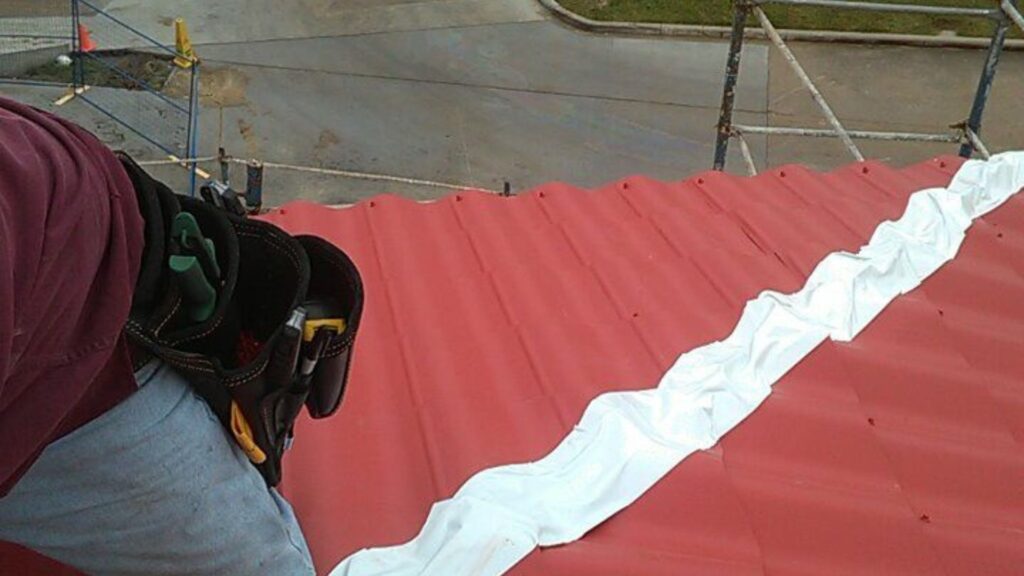
A single drop on your head, a dark stain blossoming on the ceiling, or the unmistakable drum of water during a storm. These are not just nuisances. They are emergency signals that your roof system is compromised.
A leak is more than a mess. It’s a ticking clock. The longer water intrusion goes unchecked, the greater the collateral damage: structural rot, dangerous mold growth, destroyed insulation, and dramatically escalating repair costs. That’s why securing a quick roof leak repair should be the top priority for every homeowner.
This article details how to quickly identify a leak, explains the crucial steps of a professional fix, and clarifies why immediate action protects your most valuable asset.
The High Cost of Delaying a Fix
When water breaches your home’s envelope, it doesn’t wait politely. It spreads, seeps, and hides, causing deep damage often unseen behind drywall and insulation. Early leak detection is vital because postponing a quick roof leak repair can quickly turn a localized issue into a catastrophic, expensive project.
Here are the critical risks of ignoring the first signs of water:
- Structural Deterioration: Consistent moisture weakens the roof decking and supporting rafters, compromising the integrity of your home’s structure.
- Insulation Failure: Wet insulation loses its thermal resistance, making it useless. This leads to significantly higher energy bills until it is removed and replaced.
- Mold and Health Risks: Leaks create the perfect damp environment for mold and mildew, which can contaminate your indoor air quality and pose serious health concerns.
- Escalating Costs: A small, simple patch today might become a massive section rebuild or a full roof replacement tomorrow.
The moment you notice the first sign of water, the smartest and fastest move is to schedule a professional inspection and get that quick roof leak repair underway.
Spotting Roof Leak Signs
While the ceiling stain is the most obvious indicator, leaks often start far from where they become visible indoors. A quick visual check can help your professional pinpoint the problem faster.
Indoor Red Flags
- Ceiling and Wall Stains: Look for brown, yellow, or grayish water spots on ceilings and high walls.
- Peeling Paint: Paint that is blistering, bubbling, or peeling in interior spaces, especially near the roofline.
- Damp Attic: Check the attic for visible mold, mildew, or insulation that feels damp, compressed, or soaked.
Outdoor Warning Signs
- Shingle Damage: Spot cracked, curled, buckling, or outright missing shingles.
- Compromised Flashing: Check the metal flashing, the protective barrier around chimneys, skylights, and vents, for tears, gaps, or damage.
- Soft Spots: If safely possible, look for a sagging roof deck or press gently on the surface to detect soft, spongy areas, which indicate rotted decking underneath.
You can also check out GAF’s guide for more detailed steps.
DIY Temporary Fixes While You Wait for Repair
When you spot an active leak, your first call should always be to a professional roofer. However, in the immediate term, you can take safe, temporary measures to mitigate damage while waiting for your quick roof leak repair team to arrive.
Important Safety Warning: Never climb onto a wet, slippery, or damaged roof. Only attempt these steps if you can safely access the attic or use a stable ladder for very low, easily reachable areas.
For the Ceiling/Interior:
- Catch the Water: Place a bucket or container directly under the drip.
- Relieve Pressure: If the ceiling is bulging but not actively dripping, gently puncture the center of the bulge with a screwdriver to release the water into your catch basin. This controls the flow and prevents a large section of ceiling from collapsing unexpectedly.
For the Roof/Exterior (Ground-Level Only):
- Clear Debris: Safely clear any immediate debris (like branches) that might be trapping water near a vent or gutter.
- Plastic Sheeting (Emergency only): If the leak is small and easily accessible from a stable position, you can temporarily cover the suspected area with a piece of heavy plastic sheeting or a tarp, securing the edges well away from the leak point (preferably weighted, not nailed, to avoid further holes). This is only a very short-term solution to get through a single rainfall.
Anatomy of a Professional Leak Repair
A quality repair is much more than just applying roof cement to the leak’s exit point. When you hire a trusted roofing company, the process they follow is designed to deliver a lasting quick roof leak repair that addresses the root cause.
| Step | Focus & Action |
|---|---|
| 1. Inspection & Diagnosis | The technician traces the water trail back to the source (often not the visible stain). They inspect the flashing, vents, surface, and attic space. |
| 2. Material Removal | All broken shingles, torn underlayment, and compromised flashing are removed. The area is thoroughly cleaned to ensure new materials adhere properly to sound structure. |
| 3. Component Replacement | New, high-quality flashing is installed, penetrations (pipes, vents) are sealed, and shingles or tiles are replaced to match the surrounding roof surface. |
| 4. Structural Check | The technician confirms the roof decking underneath is sound. Any soft, rotted, or weakened deck boards are replaced to restore structural integrity. |
| 5. Documentation & Review | The team provides photos of the fix and explains the repair and the materials used. They offer professional recommendations for future maintenance. |
This comprehensive approach guarantees you’re repairing the entire system, not just patching the symptom.
Is a Repair Enough, or Do I Need a Replacement?
A fast fix is perfect when the damage is localized and the roof is relatively new. However, if the issue is widespread, a larger solution may be necessary:
- Age: The roof is nearing the end of its lifespan (15–20+ years) and shows widespread wear.
- Recurrence: You have multiple leaks or the same leak returns after previous fixes.
- Structural Damage: The decking is severely rotted or sagging in multiple areas.
- Catastrophic Damage: Extensive storm damage (wind or hail) that may be covered by insurance.
A trusted contractor can help you assess whether a simple repair or a full replacement offers the best long-term value for your investment.
Don’t Wait, Let’s Do This
A roof leak starts small, but its potential for destruction is immense. Don’t wait for the gentle drip to become a rushing stream. Prompt action is the best defense against structural damage, mold, and needless expense.
If you’ve spotted stains, suspect missing shingles, or worry water is getting in, contact a licensed professional today. Act now to ensure your home remains dry, secure, and strong.
Schedule your quick roof leak repair with Achilles Roofing now. Protect your home before the next storm hits.